THE ADVENTURE COLLECTIVE® · Independent discovery and booking for outdoor travel

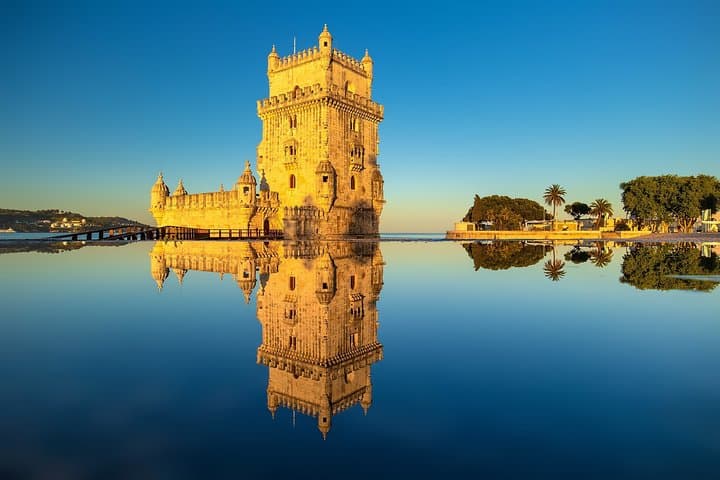
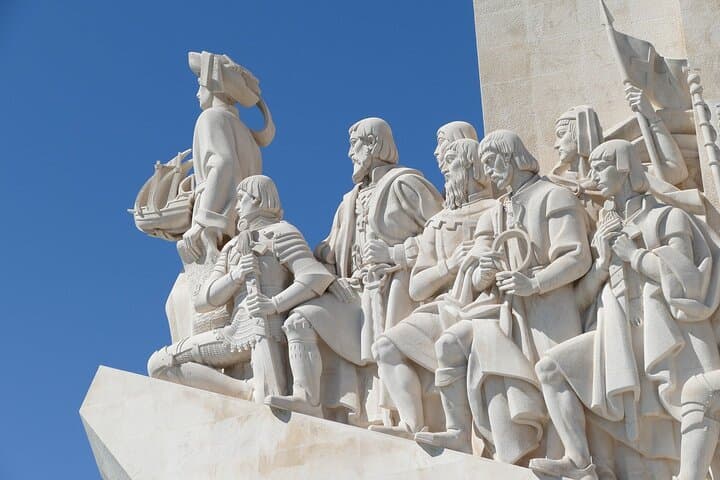
Walk the waterfront monuments of Belém with a private guide and trace Portugal’s Age of Discoveries in two hours. See Jerónimos Monastery, Belém Tower and the Monument to the Discoveries while learning the historical and cultural context that shaped Lisbon.
Walk the waterfront monuments of Belém with a private guide and trace Portugal’s Age of Discoveries in two hours. See Jerónimos Monastery, Belém Tower and the Monument to the Discoveries while learning the historical and cultural context that shaped Lisbon.
Morning light sits low on the Tagus as you step from cobbled avenues into Belém’s open waterfront — gulls wheel, river currents push the city’s past toward the sea, and carved stone catches the sun.
Verified experiences and guided adventures in the surrounding area.
Operated by Global Guide Services · Lisbon, Lisbon District
Morning light sits low on the Tagus as you step from cobbled avenues into Belém’s open waterfront — gulls wheel, river currents push the city’s past toward the sea, and carved stone catches the sun.
This two-hour private walk threads the major chapters of Portugal’s maritime era: the 16th‑century Manueline flourishes of the Jerónimos Monastery where Vasco da Gama and Luís de Camões are commemorated, the fortified silhouette of Belém Tower, and the Monument to the Discoveries that points toward old trade routes. Geologically, the Tagus estuary shaped Belém’s rise: soft riverine sediment formed shallow banks that made an accessible harbor for caravels and later shipyards.
Culturally the neighborhood balances monumental pride with neighborhood life — tiny pastelerias (try a pastel de nata), naval museums, and riverside promenades where locals move between work and weekend drinks. Guides often pause to explain the House of Aviz, the Brigantine era, and the royal family’s 1807 departure to Brazil, and they can adjust the route to include the Tropical Botanical Garden or a quick stop at the Berardo collection views.
Practicalities: expect easy walking on mixed cobbles and paved plazas, light elevation, and frequent photo stops. Morning or late afternoon keeps heat and crowds down; if you plan museum entry, buy tickets ahead or allow extra time. Wear sturdy walking shoes, bring water and sun protection, and confirm your meeting point with the guide. The tour is suitable for most fitness levels and can be tailored for families or slower paces.
easy.
2 hours.
Light walking fitness; accessible to most people including families with strollers
No; the basic tour covers guiding and narration—museum and monument admissions are generally not included unless specified in booking.
Yes—Belém’s main plazas and many sidewalks accommodate strollers, but cobbles may make parts bumpy.
This listing is a private guided tour; the group is your booking party and the guide will be with you only.
Belém is accessible by tram 15, commuter train to Belém station, or short taxi ride from central Lisbon; the exact meeting spot is confirmed at booking.
Belém was the launch point for Portugal’s Age of Discoveries; Jerónimos Monastery and the Monument to the Discoveries celebrate navigators like Vasco da Gama and the literary legacy of Luís de Camões.
High visitor numbers can stress fragile stonework and green spaces—stay on paths, avoid touching delicate carvings, and support local businesses to keep the area sustainable.
Global Guide Services operates guided outdoor trips and adventures with an emphasis on safety, stewardship, and memorable experiences.


Morning light sits low on the Tagus as you step from cobbled avenues into Belém’s open waterfront — gulls wheel, river currents push the city’s past toward the sea, and carved stone catches the sun.
Morning light sits low on the Tagus as you step from cobbled avenues into Belém’s open waterfront — gulls wheel, river currents push the city’s past toward the sea, and carved stone catches the sun.
This two-hour private walk threads the major chapters of Portugal’s maritime era: the 16th‑century Manueline flourishes of the Jerónimos Monastery where Vasco da Gama and Luís de Camões are commemorated, the fortified silhouette of Belém Tower, and the Monument to the Discoveries that points toward old trade routes. Geologically, the Tagus estuary shaped Belém’s rise: soft riverine sediment formed shallow banks that made an accessible harbor for caravels and later shipyards.
Culturally the neighborhood balances monumental pride with neighborhood life — tiny pastelerias (try a pastel de nata), naval museums, and riverside promenades where locals move between work and weekend drinks. Guides often pause to explain the House of Aviz, the Brigantine era, and the royal family’s 1807 departure to Brazil, and they can adjust the route to include the Tropical Botanical Garden or a quick stop at the Berardo collection views.
Practicalities: expect easy walking on mixed cobbles and paved plazas, light elevation, and frequent photo stops. Morning or late afternoon keeps heat and crowds down; if you plan museum entry, buy tickets ahead or allow extra time. Wear sturdy walking shoes, bring water and sun protection, and confirm your meeting point with the guide. The tour is suitable for most fitness levels and can be tailored for families or slower paces.