THE ADVENTURE COLLECTIVE® · Independent discovery and booking for outdoor travel

Explore Lisbon’s Jerónimos Monastery with a focused guided visit that combines Manueline architecture, Age of Discovery history, and practical touring tips. Learn how to plan timing, transport, and what to expect inside this UNESCO site.
Explore Lisbon’s Jerónimos Monastery with a focused guided visit that combines Manueline architecture, Age of Discovery history, and practical touring tips. Learn how to plan timing, transport, and what to expect inside this UNESCO site.
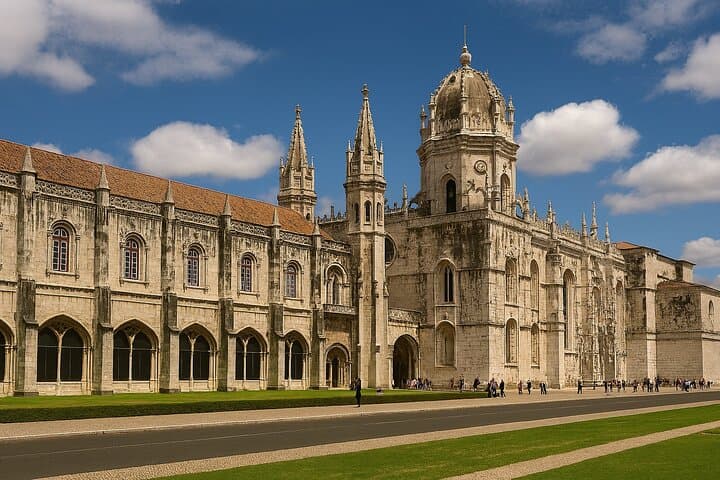
A salt‑sprayed wind off the Tagus pushes up the wide esplanade in Belém and the monastery’s carved façade rises like a stone map of Portugal’s seafaring past. Visitors enter by way of a broad square; inside, a cloistered calm replaces the river’s bray and the air feels measured by the slow rhythm of footsteps and hushed guides.
Verified experiences and guided adventures in the surrounding area.
Operated by Follow Me - Portugal Tours · Lisbon, Lisbon
A salt‑sprayed wind off the Tagus pushes up the wide esplanade in Belém and the monastery’s carved façade rises like a stone map of Portugal’s seafaring past. Visitors enter by way of a broad square; inside, a cloistered calm replaces the river’s bray and the air feels measured by the slow rhythm of footsteps and hushed guides.
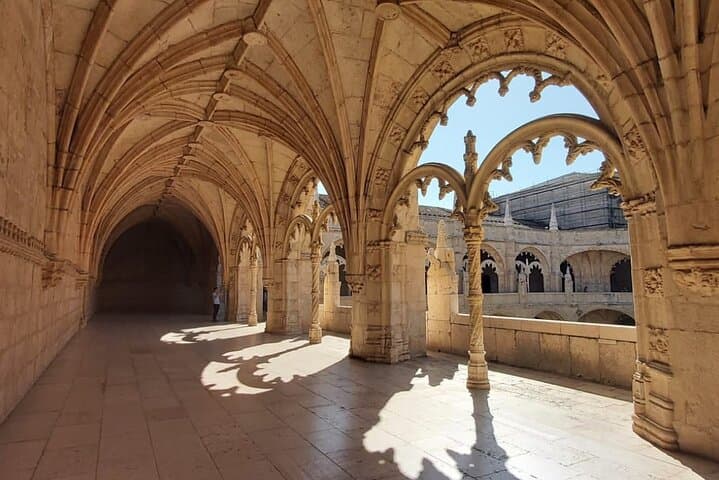
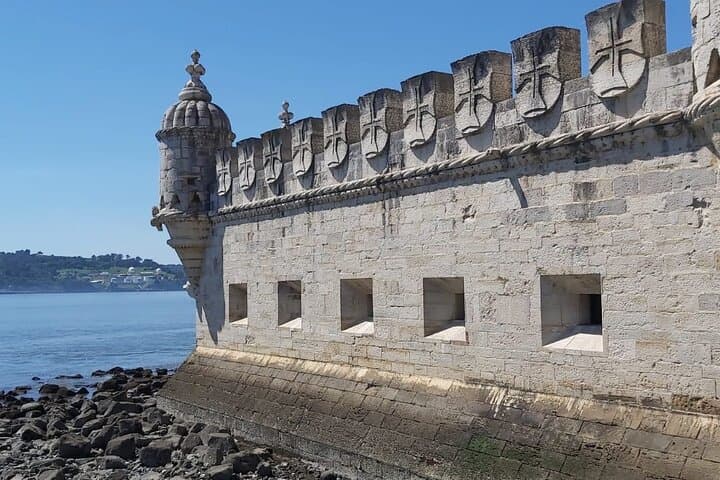
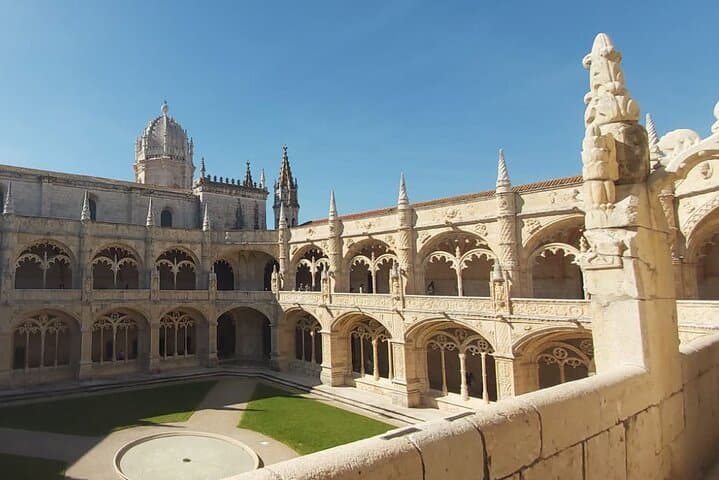
Built in the early 16th century in the ornate Manueline style, the Mosteiro dos Jerónimos marks Portugal’s Age of Discoveries. Its intricate stonework references ropes, anchors and other nautical motifs; tombs of national figures and royal chapels anchor the site’s cultural significance. Nearby, the Padrão dos Descobrimentos and the riverfront remind visitors that Belém was the launching point for voyages that changed global trade and culture.
The typical guided visit runs about two hours: roughly 90 minutes inside the monastery and a short stop at the monument and riverside. Guides combine architectural detail with broader history — expect references to Vasco da Gama, monastic patrons, and the monastery’s UNESCO designation. The route is mostly paved and level, though some interiors have steps and narrow passages.
Practical matters shape a good day here: bring comfortable, non‑slip shoes, carry a lightweight rain layer in variable weather, and plan arrival via tram 15, train, or a brisk riverside walk. Mobile tickets are accepted and cancellations are refundable with 24‑hour notice. Be mindful of photography rules in chapels, respect conservation signage, and leave extra time to sample nearby Pastéis de Belém after the tour.
easy.
2 hours.
Suitable for most fitness levels; requires walking on paved surfaces and negotiating some stairs.
This ticket includes entry to the monastery; the guided portion typically covers the cloisters and church interior as described in the itinerary.
Guides commonly speak Portuguese and English; check the booking for offered language options or request specifics ahead of time.
Main public areas are mostly accessible and the tour notes stroller access, but some historic interior spaces include steps—contact the operator for specific arrangements.
Closures are rare but possible; the booking provides protection—reschedule or cancel with full refund if closure prevents the visit.
The monastery was built in the 16th century under royal patronage during Portugal’s maritime expansion and is a prime example of the richly carved Manueline architectural style.
As a UNESCO site, the monastery is subject to strict conservation rules—visitors are asked to avoid touching stonework and to follow designated routes to limit wear.
Follow Me - Portugal Tours operates guided outdoor trips and adventures with an emphasis on safety, stewardship, and memorable experiences.
A salt‑sprayed wind off the Tagus pushes up the wide esplanade in Belém and the monastery’s carved façade rises like a stone map of Portugal’s seafaring past. Visitors enter by way of a broad square; inside, a cloistered calm replaces the river’s bray and the air feels measured by the slow rhythm of footsteps and hushed guides.
A salt‑sprayed wind off the Tagus pushes up the wide esplanade in Belém and the monastery’s carved façade rises like a stone map of Portugal’s seafaring past. Visitors enter by way of a broad square; inside, a cloistered calm replaces the river’s bray and the air feels measured by the slow rhythm of footsteps and hushed guides.
Built in the early 16th century in the ornate Manueline style, the Mosteiro dos Jerónimos marks Portugal’s Age of Discoveries. Its intricate stonework references ropes, anchors and other nautical motifs; tombs of national figures and royal chapels anchor the site’s cultural significance. Nearby, the Padrão dos Descobrimentos and the riverfront remind visitors that Belém was the launching point for voyages that changed global trade and culture.
The typical guided visit runs about two hours: roughly 90 minutes inside the monastery and a short stop at the monument and riverside. Guides combine architectural detail with broader history — expect references to Vasco da Gama, monastic patrons, and the monastery’s UNESCO designation. The route is mostly paved and level, though some interiors have steps and narrow passages.
Practical matters shape a good day here: bring comfortable, non‑slip shoes, carry a lightweight rain layer in variable weather, and plan arrival via tram 15, train, or a brisk riverside walk. Mobile tickets are accepted and cancellations are refundable with 24‑hour notice. Be mindful of photography rules in chapels, respect conservation signage, and leave extra time to sample nearby Pastéis de Belém after the tour.