THE ADVENTURE COLLECTIVE® · Independent discovery and booking for outdoor travel

Spend a day moving through the Bekaa Valley’s famed wineries—cellars carved into limestone, terraced vineyards and guided tastings of Lebanon’s signature wines. This private tour pairs cultural history with practical tips for a full‑day exploration.
Spend a day moving through the Bekaa Valley’s famed wineries—cellars carved into limestone, terraced vineyards and guided tastings of Lebanon’s signature wines. This private tour pairs cultural history with practical tips for a full‑day exploration.
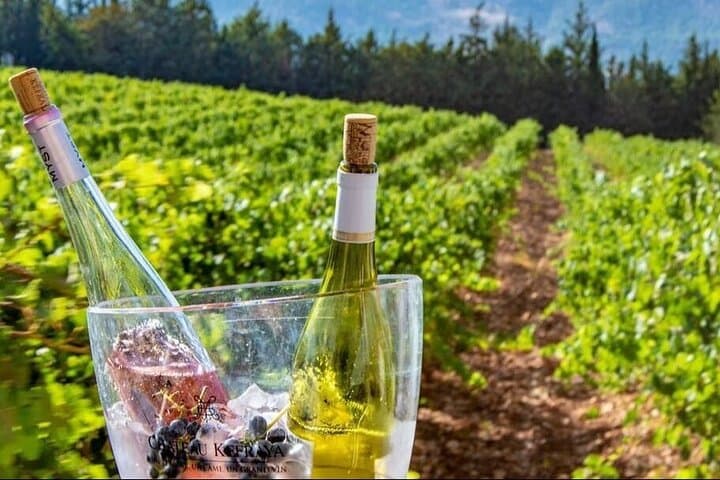
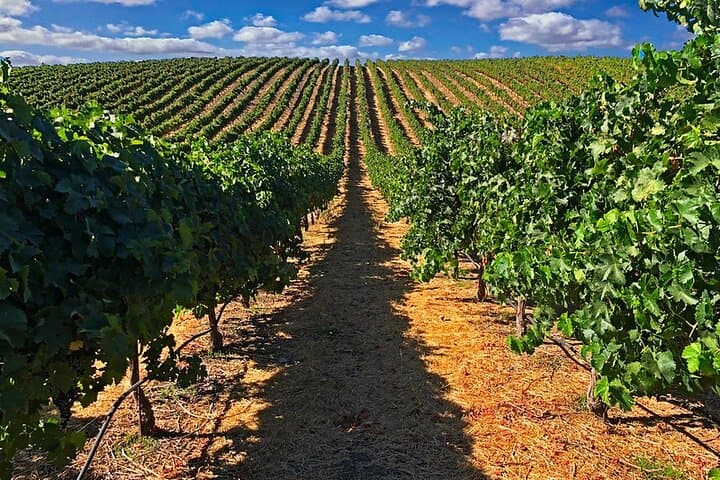
Morning light slants across rows of low-trained vines as the Bekaa Valley opens like a wide, cultivated bowl — earth warmed by sun, mountains framing the horizon. On an eight‑hour tasting tour you move between cellar doors: limestone caves that keep centuries of oak barrels cool, terraced slopes where grapes ripen under a wind that teases tannins into balance, and tasting rooms where producers talk weather, soil and stubborn varietals.
Verified experiences and guided adventures in the surrounding area.
Operated by Beirut Trip · Zahle, Bekaa Governorate
Morning light slants across rows of low-trained vines as the Bekaa Valley opens like a wide, cultivated bowl — earth warmed by sun, mountains framing the horizon. On an eight‑hour tasting tour you move between cellar doors: limestone caves that keep centuries of oak barrels cool, terraced slopes where grapes ripen under a wind that teases tannins into balance, and tasting rooms where producers talk weather, soil and stubborn varietals.
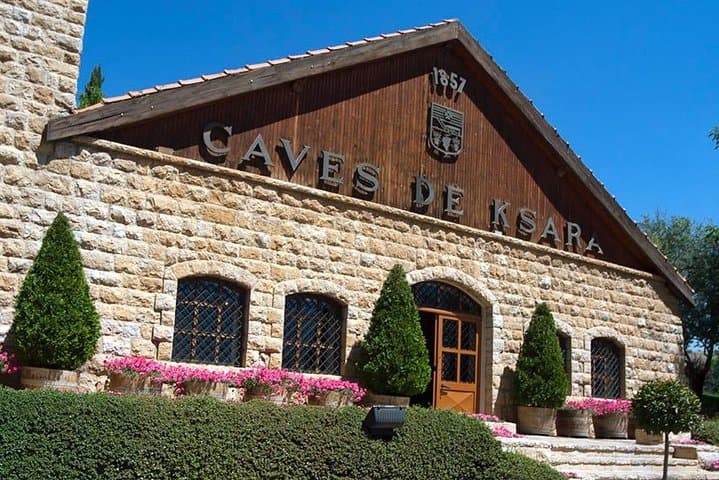
The valley’s winemaking stretches back millennia; modern estates like Château Ksara (founded 1857) and Château Kefraya reinvented those traditions in the 19th and 20th centuries. Geology matters here — alluvial soils and diurnal temperature swings at altitude produce concentrated fruit. Culture blends Lebanese hospitality with French and Mediterranean viniculture, and many estates still pair wine with small plates of labneh, olives and aged cheeses.
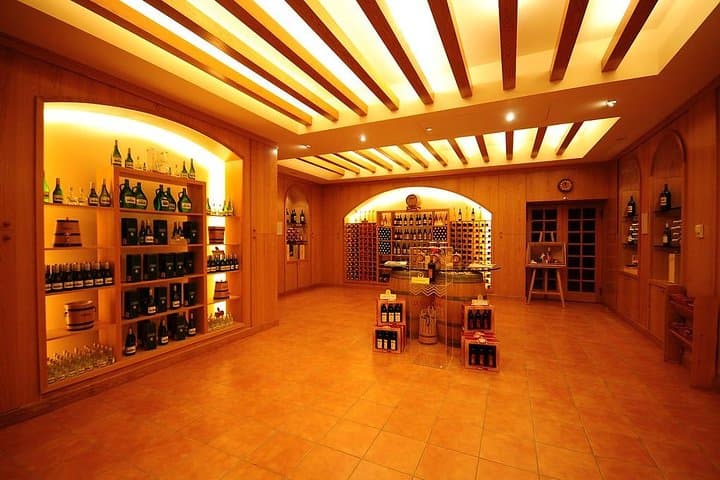
Expect cellar tours with narrow stone steps, guided tastings of reds, whites and arak, and short vineyard walks between stops. The tour’s pace is relaxed but sensory: oak, spice and the dust-sweet scent of the valley between sips.
Practical guidance: plan for sun and dust — bring a refillable water bottle and a hat, and wear shoes that handle gravel and cellar stairs. Book a private transfer or tour that includes pickup from Beirut or Zahle; designate a driver or use the included private transport. Mid‑afternoon light is best for photos and lends cooler temperatures for the final tasting. Respect estate rules in cellars and stay mindful of waste and water use — local producers are increasingly focused on sustainable viticulture.
easy.
8 hours.
Minimal fitness needed—short walks on uneven ground and stairs in cellars; suitable for most activity levels.
Tastings are included as part of the standard itinerary, though premium bottles or special cellar experiences may incur extra fees—confirm when booking.
Most tours offer hotel pickup and drop‑off in Beirut or Zahle; check your booking confirmation for the exact pickup point and time.
The itinerary is family‑friendly in terms of walking and terrain, but tastings are for adults; minors should be supervised and may not participate in alcohol sampling.
Walking is light—short vineyard strolls and cellar steps. Mobility issues should be communicated to the operator ahead of time for accommodations.
Bekaa’s winemaking traces to ancient Phoenician and Roman practices; modern houses like Château Ksara date to the 19th century when Jesuit priests revived dry winemaking.
Water use and soil management are central concerns—support wineries that practice drip irrigation, organic farming or local sourcing and avoid leaving waste behind.
Beirut Trip operates guided outdoor trips and adventures with an emphasis on safety, stewardship, and memorable experiences.
Morning light slants across rows of low-trained vines as the Bekaa Valley opens like a wide, cultivated bowl — earth warmed by sun, mountains framing the horizon. On an eight‑hour tasting tour you move between cellar doors: limestone caves that keep centuries of oak barrels cool, terraced slopes where grapes ripen under a wind that teases tannins into balance, and tasting rooms where producers talk weather, soil and stubborn varietals.
Morning light slants across rows of low-trained vines as the Bekaa Valley opens like a wide, cultivated bowl — earth warmed by sun, mountains framing the horizon. On an eight‑hour tasting tour you move between cellar doors: limestone caves that keep centuries of oak barrels cool, terraced slopes where grapes ripen under a wind that teases tannins into balance, and tasting rooms where producers talk weather, soil and stubborn varietals.
The valley’s winemaking stretches back millennia; modern estates like Château Ksara (founded 1857) and Château Kefraya reinvented those traditions in the 19th and 20th centuries. Geology matters here — alluvial soils and diurnal temperature swings at altitude produce concentrated fruit. Culture blends Lebanese hospitality with French and Mediterranean viniculture, and many estates still pair wine with small plates of labneh, olives and aged cheeses.
Expect cellar tours with narrow stone steps, guided tastings of reds, whites and arak, and short vineyard walks between stops. The tour’s pace is relaxed but sensory: oak, spice and the dust-sweet scent of the valley between sips.
Practical guidance: plan for sun and dust — bring a refillable water bottle and a hat, and wear shoes that handle gravel and cellar stairs. Book a private transfer or tour that includes pickup from Beirut or Zahle; designate a driver or use the included private transport. Mid‑afternoon light is best for photos and lends cooler temperatures for the final tasting. Respect estate rules in cellars and stay mindful of waste and water use — local producers are increasingly focused on sustainable viticulture.