THE ADVENTURE COLLECTIVE® · Independent discovery and booking for outdoor travel

Wade through narrow chutes, scramble wet volcanic rock and visit nearby temples on a full-day trek through Beji Guwang Hidden Canyon. This guided tour pairs active river travel with stops at Tegenungan, Goa Gajah and Gunung Kawi.
Wade through narrow chutes, scramble wet volcanic rock and visit nearby temples on a full-day trek through Beji Guwang Hidden Canyon. This guided tour pairs active river travel with stops at Tegenungan, Goa Gajah and Gunung Kawi.
You step off the minivan and the heat of southern Bali gives way to a narrow, shaded gorge—walls of volcanic stone rising vertically as a clear stream dares you forward.
Verified experiences and guided adventures in the surrounding area.
Operated by Bali Vacation Driver - private Day Tours · Sukawati, Bali
You step off the minivan and the heat of southern Bali gives way to a narrow, shaded gorge—walls of volcanic stone rising vertically as a clear stream dares you forward.
The Beji Guwang Hidden Canyon is carved by persistent water through soft volcanic and limestone strata, creating narrow chutes, pools and natural staircases. Local guides lead small groups through waist-deep water, wet rock scrambling and short climbs; the route feels immediate and physical, the canyon itself an active geological story. Along the way the itinerary typically includes cultural stops—Tegenungan Waterfall’s spray, the carved entrances of Goa Gajah, and the cliff-carved shrines of Gunung Kawi—tying the landscape to Bali’s temple-rich history and agrarian villages.
Expect humid jungle sounds, occasional temple smoke on the breeze, and riverine birds that thrive in the riparian corridor. The trek is less about long mileage and more about technical movement: step, wade, clamber, repeat. Guides provide local context—stories of irrigation systems (subak), temple lore and how volcanic soils shaped village life.
Practically, plan for a full day: hotel pickup in the morning, a 45–60 minute canyon section, and other cultural stops across a 10-hour tour. Wear quick-dry clothes and sturdy water shoes, bring sun protection for transfer times, and a small dry bag for electronics. Hydrate before you go and carry snacks; the terrain is uneven and can be slippery after rain. Families with active children will find it rewarding; travelers with back or heart issues should opt out. With an experienced guide the canyon is an accessible way to pair hands-on adventure with Bali’s cultural landmarks.
moderate.
10 hours.
Moderate fitness; able to wade, scramble over wet rock, and stand for multiple short climbs
The active canyon section is typically 45–60 minutes of guided movement through narrow chutes and pools within a full-day (about 10-hour) tour.
Children can participate if accustomed to water and scrambling; operators usually require they be accompanied by an adult and meet minimum group sizes.
Heavy rain can make the canyon dangerous; companies may cancel or reroute if water levels rise—confirm the cancellation policy before booking.
No technical climbing experience is required, but you should be comfortable with wading, uneven footing and short climbs over wet rock.
The canyon is a product of volcanic and fluvial erosion in central Bali; nearby temples like Goa Gajah and Gunung Kawi reflect centuries of Hindu practice and river-based agriculture.
This fragile riparian environment is sensitive to litter and foot traffic—stick to guided routes, pack out waste and avoid disturbing river pools.
Bali Vacation Driver - private Day Tours operates guided outdoor trips and adventures with an emphasis on safety, stewardship, and memorable experiences.


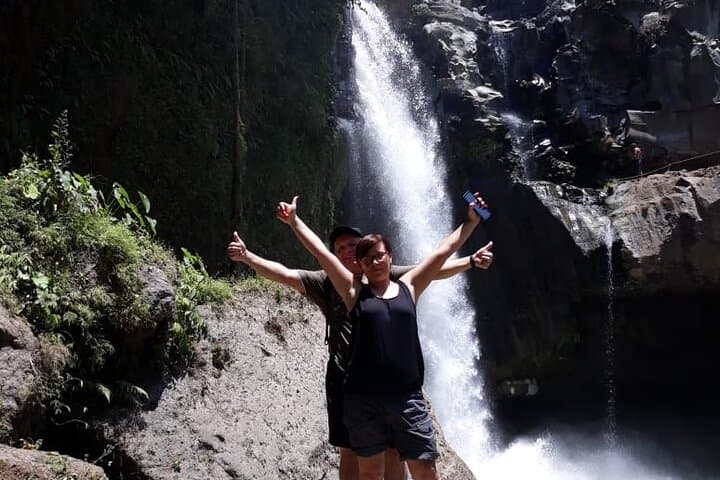
You step off the minivan and the heat of southern Bali gives way to a narrow, shaded gorge—walls of volcanic stone rising vertically as a clear stream dares you forward.
You step off the minivan and the heat of southern Bali gives way to a narrow, shaded gorge—walls of volcanic stone rising vertically as a clear stream dares you forward.
The Beji Guwang Hidden Canyon is carved by persistent water through soft volcanic and limestone strata, creating narrow chutes, pools and natural staircases. Local guides lead small groups through waist-deep water, wet rock scrambling and short climbs; the route feels immediate and physical, the canyon itself an active geological story. Along the way the itinerary typically includes cultural stops—Tegenungan Waterfall’s spray, the carved entrances of Goa Gajah, and the cliff-carved shrines of Gunung Kawi—tying the landscape to Bali’s temple-rich history and agrarian villages.
Expect humid jungle sounds, occasional temple smoke on the breeze, and riverine birds that thrive in the riparian corridor. The trek is less about long mileage and more about technical movement: step, wade, clamber, repeat. Guides provide local context—stories of irrigation systems (subak), temple lore and how volcanic soils shaped village life.
Practically, plan for a full day: hotel pickup in the morning, a 45–60 minute canyon section, and other cultural stops across a 10-hour tour. Wear quick-dry clothes and sturdy water shoes, bring sun protection for transfer times, and a small dry bag for electronics. Hydrate before you go and carry snacks; the terrain is uneven and can be slippery after rain. Families with active children will find it rewarding; travelers with back or heart issues should opt out. With an experienced guide the canyon is an accessible way to pair hands-on adventure with Bali’s cultural landmarks.