THE ADVENTURE COLLECTIVE® · Independent discovery and booking for outdoor travel

Drive from Beirut into the Chouf’s folded hills for a day that pairs ornate 19th-century palaces and a multi-faith mountain village with the quiet grandeur of the Barouk cedar groves. This private full-day tour packs culture, geology and accessible hiking into eight curated hours.
Drive from Beirut into the Chouf’s folded hills for a day that pairs ornate 19th-century palaces and a multi-faith mountain village with the quiet grandeur of the Barouk cedar groves. This private full-day tour packs culture, geology and accessible hiking into eight curated hours.
You leave Beirut behind as the coastal roar softens and the road climbs into the Chouf’s folded hills. Stone houses appear like punctuation marks against green slopes, the air sharpening with cedar resin and thyme. The day moves at a measured pace—palace courtyards, a village square, then the hush of ancient cedars where trunks loom and the scent of sap seems to pull you forward.
Verified experiences and guided adventures in the surrounding area.
Operated by Lebanon Tours Online · Beiteddine, Mount Lebanon
You leave Beirut behind as the coastal roar softens and the road climbs into the Chouf’s folded hills. Stone houses appear like punctuation marks against green slopes, the air sharpening with cedar resin and thyme. The day moves at a measured pace—palace courtyards, a village square, then the hush of ancient cedars where trunks loom and the scent of sap seems to pull you forward.
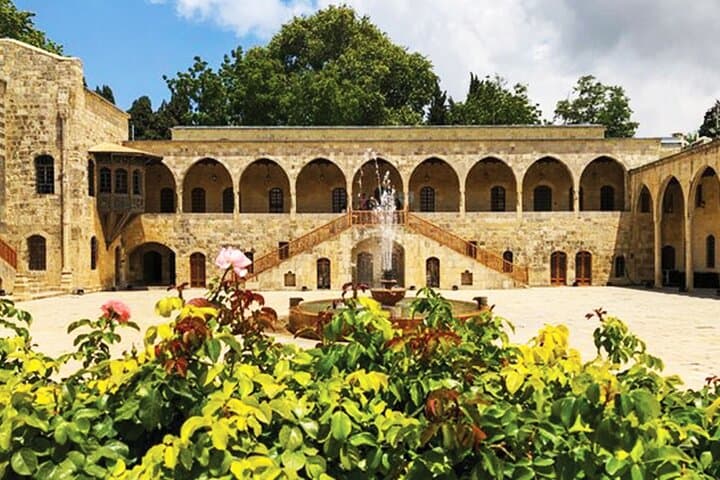
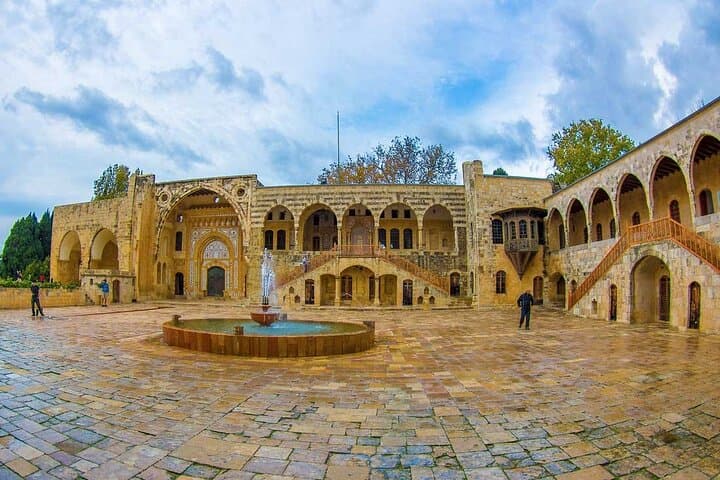
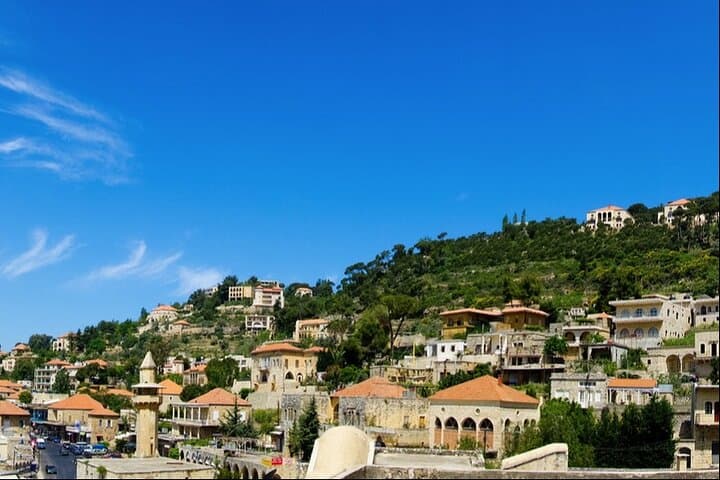
Beiteddine Palace, raised by Emir Bashir Chehab II between the late 18th and early 19th centuries, blends Ottoman and Levantine detail and still functions as the president’s summer residence. Deir el Qamar follows with a compact historic core: red-tiled roofs, the 15th-century Church of Our Lady of the Hill and a mosque that mark a long record of multi-confessional life and the town’s 1864 municipal firsts.
Geologically the area is limestone folded by tectonics, feeding springs and carving terraces where olives and pines take hold. In Al Shouf Cedar Reserve, remnant cedar groves—some centuries old—stand on karst slopes that invite short hikes and birdwatching; the trees themselves feel like slow, living architects of place.
Practically: expect an 8-hour private itinerary with guided stops, walking on paved and dirt paths, and brief elevation gains between villages and cedar sites. Comfortable shoes, sun protection and a refillable water bottle make the day smoother. Photography and respectful dress at religious sites are recommended; follow your guide’s timing to avoid crowds at the palace. This tour offers dense cultural history paired with accessible nature—ideal for travelers wanting concentrated Lebanese heritage without heavy trekking.
easy.
8 hours.
Light activity; suitable for most fitness levels with short walks and brief elevation changes
Yes—private, air-conditioned pickup and drop-off in Beirut are included in the tour.
Admission to Beiteddine Palace and some reserve sites may not be included—confirm with the operator before booking.
Expect short to moderate walks at each stop—mostly on paved or well-maintained dirt paths; the tour is suitable for most abilities.
As a private tour, the guide can usually adjust timings and stop lengths to match interests and mobility constraints.
The palace in Beiteddine was built by Emir Bashir Chehab II (1788–1818) and later served as a presidential summer residence; Deir el Qamar elected Lebanon’s first municipal council in 1864.
Al Shouf Cedar Reserve protects remaining native cedars and supports reforestation and local grazing management—stay on trails and avoid disturbing seedlings.
Lebanon Tours Online operates guided outdoor trips and adventures with an emphasis on safety, stewardship, and memorable experiences.
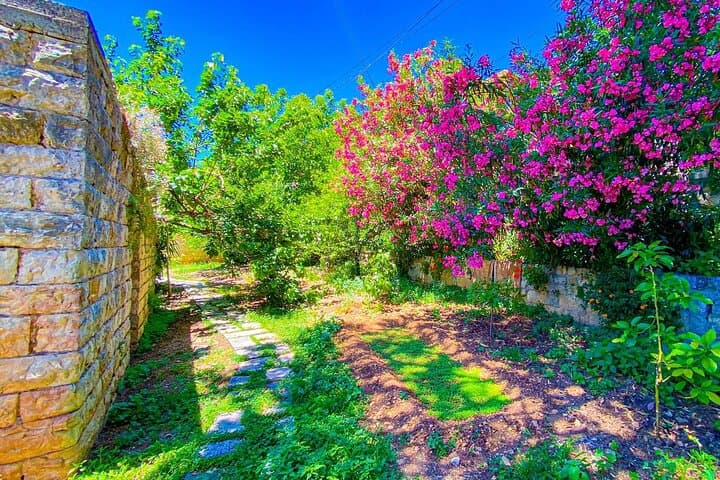
You leave Beirut behind as the coastal roar softens and the road climbs into the Chouf’s folded hills. Stone houses appear like punctuation marks against green slopes, the air sharpening with cedar resin and thyme. The day moves at a measured pace—palace courtyards, a village square, then the hush of ancient cedars where trunks loom and the scent of sap seems to pull you forward.
You leave Beirut behind as the coastal roar softens and the road climbs into the Chouf’s folded hills. Stone houses appear like punctuation marks against green slopes, the air sharpening with cedar resin and thyme. The day moves at a measured pace—palace courtyards, a village square, then the hush of ancient cedars where trunks loom and the scent of sap seems to pull you forward.
Beiteddine Palace, raised by Emir Bashir Chehab II between the late 18th and early 19th centuries, blends Ottoman and Levantine detail and still functions as the president’s summer residence. Deir el Qamar follows with a compact historic core: red-tiled roofs, the 15th-century Church of Our Lady of the Hill and a mosque that mark a long record of multi-confessional life and the town’s 1864 municipal firsts.
Geologically the area is limestone folded by tectonics, feeding springs and carving terraces where olives and pines take hold. In Al Shouf Cedar Reserve, remnant cedar groves—some centuries old—stand on karst slopes that invite short hikes and birdwatching; the trees themselves feel like slow, living architects of place.
Practically: expect an 8-hour private itinerary with guided stops, walking on paved and dirt paths, and brief elevation gains between villages and cedar sites. Comfortable shoes, sun protection and a refillable water bottle make the day smoother. Photography and respectful dress at religious sites are recommended; follow your guide’s timing to avoid crowds at the palace. This tour offers dense cultural history paired with accessible nature—ideal for travelers wanting concentrated Lebanese heritage without heavy trekking.