THE ADVENTURE COLLECTIVE® · Independent discovery and booking for outdoor travel

A single day that stitches Beirut to ancient Phoenician ports: Sidon’s Sea Castle, Tyre’s Roman hippodrome and the quiet shrine of Maghdouché, all with a guided lunch and hotel pick-up. Ideal for travelers who want a compact, historically rich coastal route without complex logistics.
A single day that stitches Beirut to ancient Phoenician ports: Sidon’s Sea Castle, Tyre’s Roman hippodrome and the quiet shrine of Maghdouché, all with a guided lunch and hotel pick-up. Ideal for travelers who want a compact, historically rich coastal route without complex logistics.
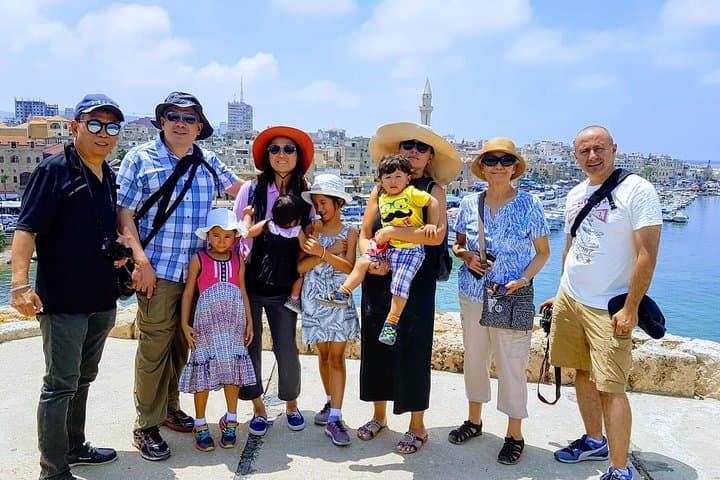
You step onto an air-conditioned minivan in Beirut as the Mediterranean light spreads over the highway, the sea to your left daring you to look away from the map. In a single day the coast opens like a folded map: the crenellated silhouette of Sidon’s Sea Castle, the alleyways of a working souk, the broad sweep of Tyre’s Roman causeway and a quiet hilltop shrine at Maghdouché where a tower watches the plain.
Verified experiences and guided adventures in the surrounding area.
Operated by Lebanon Daily Tours · Beirut, Beirut Governorate
You step onto an air-conditioned minivan in Beirut as the Mediterranean light spreads over the highway, the sea to your left daring you to look away from the map. In a single day the coast opens like a folded map: the crenellated silhouette of Sidon’s Sea Castle, the alleyways of a working souk, the broad sweep of Tyre’s Roman causeway and a quiet hilltop shrine at Maghdouché where a tower watches the plain.
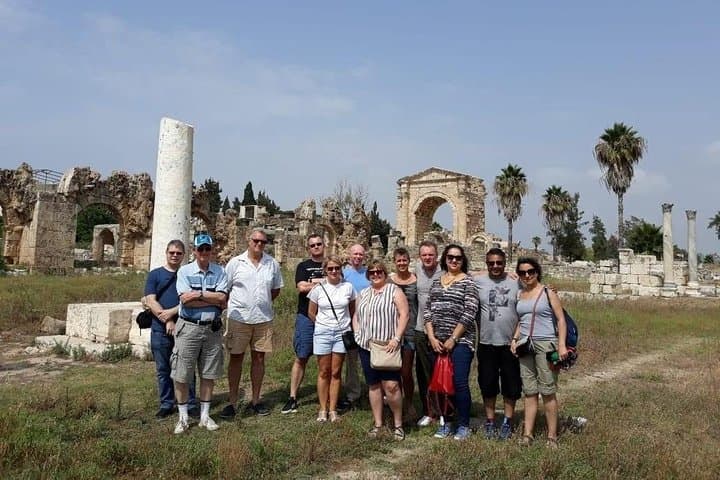
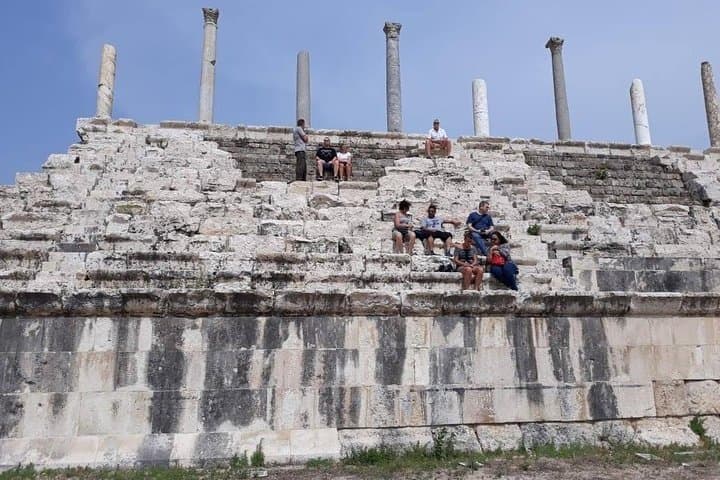
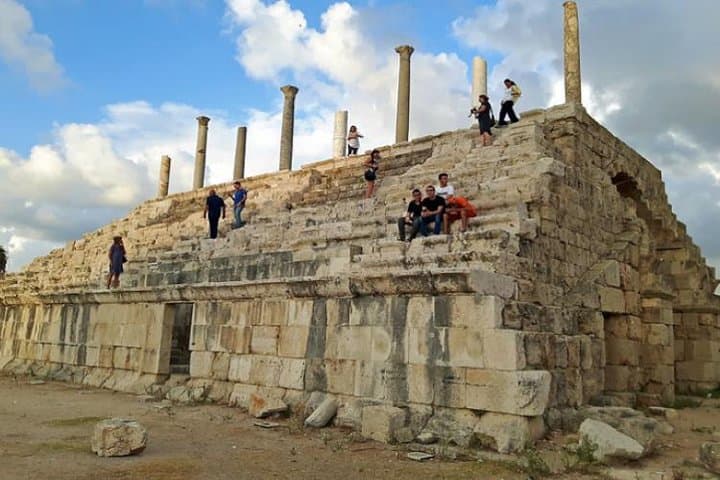
This route threads through Phoenician harbors and Roman monuments—Sidon’s medieval fortress built by Crusaders, Khan al-Franj’s 17th‑century caravanserai, and Tyre’s El Bass hippodrome from the 2nd century AD. Geology here is Mediterranean limestone and coastal alluvium; seawater and ancient trade created the towns you visit. Local culture is tactile: merchants calling prices, cathedral bells in Maghdouché, and seafood grills where fishermen sell the day’s catch.
Expect a mix of brief guided walks and scenic stops; several points have short on-site visits and one longer archaeological stop for about an hour. The tour includes lunch and hotel pick-up, making logistics straightforward.
Practical guidance: wear comfortable shoes for uneven cobbles, bring sun protection and a refillable bottle, and plan for variable weather—coastal breezes can feel cool even in summer. Photography windows are short at busy sites, so carry small cash for market finds and tip guides if service is good. This is a low‑impact, culturally rich day that moves at a steady, accessible pace.
easy.
8 hours.
Suitable for most travelers; requires short, gentle walks and the ability to step on and off a vehicle.
Yes—hotel pick-up and drop-off in Beirut are included as part of the tour.
Lunch is provided and typically includes Lebanese options; inform the operator of dietary needs at booking to ensure alternatives.
Some sites on the itinerary include admission; the tour listing notes which visits have entry included—confirm at booking for specifics.
The tour is classified as easy and suitable for most fitness levels, but limited mobility may restrict access at some archaeological sites with uneven terrain—check pickup accessibility when booking.
This coastal corridor was central to Phoenician maritime trade and later Roman urban planning—Tyre’s El Bass sector includes one of the largest Roman hippodromes in the region.
Historic sites face erosion and visitor pressure; stick to marked paths, avoid touching fragile masonry and limit single‑use plastics to reduce impact.
Lebanon Daily Tours operates guided outdoor trips and adventures with an emphasis on safety, stewardship, and memorable experiences.
You step onto an air-conditioned minivan in Beirut as the Mediterranean light spreads over the highway, the sea to your left daring you to look away from the map. In a single day the coast opens like a folded map: the crenellated silhouette of Sidon’s Sea Castle, the alleyways of a working souk, the broad sweep of Tyre’s Roman causeway and a quiet hilltop shrine at Maghdouché where a tower watches the plain.
You step onto an air-conditioned minivan in Beirut as the Mediterranean light spreads over the highway, the sea to your left daring you to look away from the map. In a single day the coast opens like a folded map: the crenellated silhouette of Sidon’s Sea Castle, the alleyways of a working souk, the broad sweep of Tyre’s Roman causeway and a quiet hilltop shrine at Maghdouché where a tower watches the plain.
This route threads through Phoenician harbors and Roman monuments—Sidon’s medieval fortress built by Crusaders, Khan al-Franj’s 17th‑century caravanserai, and Tyre’s El Bass hippodrome from the 2nd century AD. Geology here is Mediterranean limestone and coastal alluvium; seawater and ancient trade created the towns you visit. Local culture is tactile: merchants calling prices, cathedral bells in Maghdouché, and seafood grills where fishermen sell the day’s catch.
Expect a mix of brief guided walks and scenic stops; several points have short on-site visits and one longer archaeological stop for about an hour. The tour includes lunch and hotel pick-up, making logistics straightforward.
Practical guidance: wear comfortable shoes for uneven cobbles, bring sun protection and a refillable bottle, and plan for variable weather—coastal breezes can feel cool even in summer. Photography windows are short at busy sites, so carry small cash for market finds and tip guides if service is good. This is a low‑impact, culturally rich day that moves at a steady, accessible pace.