THE ADVENTURE COLLECTIVE® · Independent discovery and booking for outdoor travel

Escape Beirut for a private nine-hour circuit from cedar forests to Roman giants and Bekaa wine. This full-day route pairs nature, archaeology and tastings with private transport and an expert guide.
Escape Beirut for a private nine-hour circuit from cedar forests to Roman giants and Bekaa wine. This full-day route pairs nature, archaeology and tastings with private transport and an expert guide.
Morning light pulls you out of Beirut and into a changing landscape: the coastal bustle gives way to terraced hills, then to the hush of ancient cedars clinging to Barouk’s slopes. You feel the road tilt eastward toward the Bekaa, a broad valley that has carried caravans, armies and wine for millennia. At Maaser Al Shouf, cedars stand like slow-moving sentries, their trunks dark and aromatic, challenging you to slow down and listen.
Verified experiences and guided adventures in the surrounding area.
Operated by Lebanon Tours Online · Beirut, Beirut Governorate
Morning light pulls you out of Beirut and into a changing landscape: the coastal bustle gives way to terraced hills, then to the hush of ancient cedars clinging to Barouk’s slopes. You feel the road tilt eastward toward the Bekaa, a broad valley that has carried caravans, armies and wine for millennia. At Maaser Al Shouf, cedars stand like slow-moving sentries, their trunks dark and aromatic, challenging you to slow down and listen.
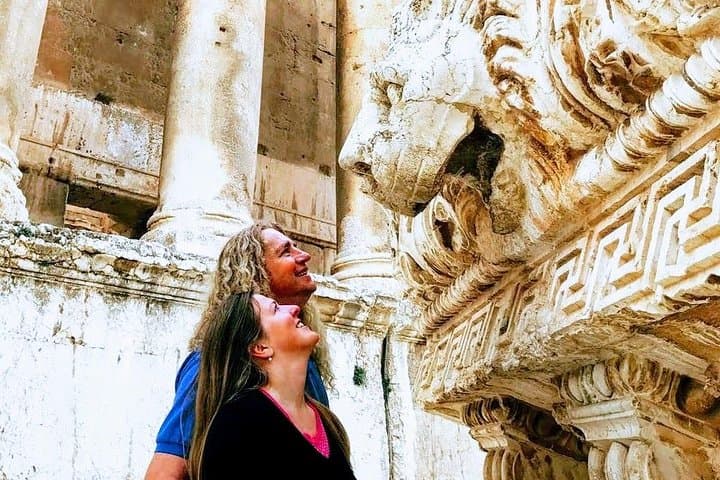
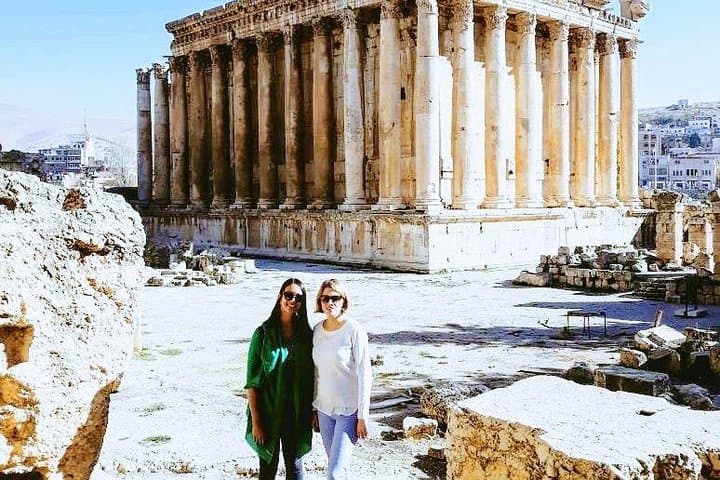
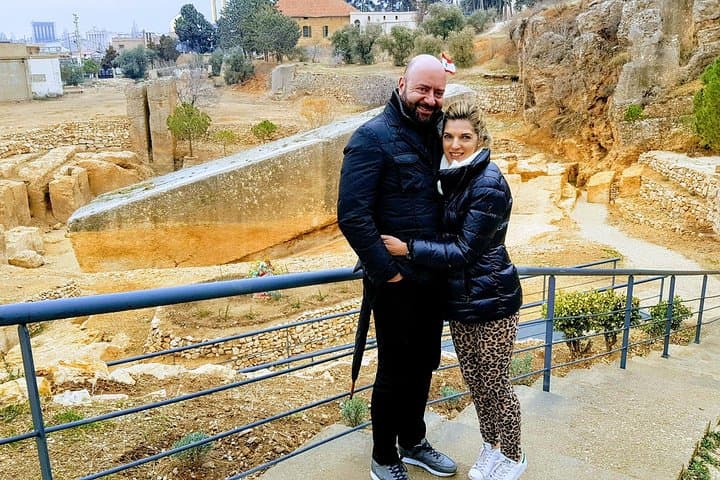
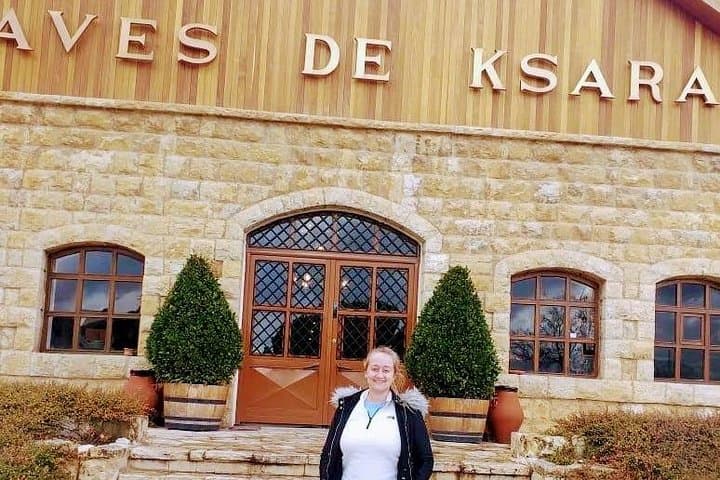
Across the valley, Baalbek’s Roman temples rise from the earth with a quiet insistence. Columns still tower where emperors and pilgrims once gathered; the Stone of the Pregnant Woman nearby hints at the ambition and engineering that moved mountains of stone. Château Ksara’s cellars cut into limestone show another layer of local craft — Jesuit vintners in 1857 turned Bekaa’s sun and soil into Lebanon’s first dry wines.
Geology and history meet here: the Bekaa is a rift valley with fertile alluvium, and the cedar forests are remnants of a once-wider woodland that cultures prized for shipbuilding and temple beams. Local life threads through the day — villagers selling jam and olives, winemakers guiding tastings, and guides narrating layered pasts.
Practical guidance: start early to avoid Beirut traffic, wear sturdy shoes for short trails and temple terraces, and bring layers—the mountains can be cool even in summer. Carry water, a hat and cash for small purchases; book pickup from Beirut and expect a full 9-hour day with comfortable private transport and a knowledgeable guide.
moderate.
9 hours.
Suitable for travelers in average physical condition; involves short walks, stairs and standing during visits.
This private tour is approximately nine hours and starts with pickup from Beirut (hotel or central meeting point).
Admission to Baalbek and the cedar reserve is typically included; check the booking for winery tasting details—some tastings or bottles may be extra and paid on site.
Yes. The itinerary is rated easy to moderate with short walks; those with limited mobility can still enjoy most viewpoints from the vehicle or nearby platforms.
Bring ID/passport for any purchases, cash, comfortable shoes, water, sun protection and a small backpack for personal items.
Baalbek reached its peak under Roman rule as Heliopolis, a major sanctuary complex that blended Phoenician cult sites with Imperial Roman architecture. Château Ksara was founded by Jesuit monks in 1857 and pioneered Lebanon’s dry wine tradition.
Al-Shouf Cedar Nature Reserve protects remaining cedar tracts and promotes reforestation; visitors are asked to stick to trails and avoid damaging trees or vegetation.
Lebanon Tours Online operates guided outdoor trips and adventures with an emphasis on safety, stewardship, and memorable experiences.
Morning light pulls you out of Beirut and into a changing landscape: the coastal bustle gives way to terraced hills, then to the hush of ancient cedars clinging to Barouk’s slopes. You feel the road tilt eastward toward the Bekaa, a broad valley that has carried caravans, armies and wine for millennia. At Maaser Al Shouf, cedars stand like slow-moving sentries, their trunks dark and aromatic, challenging you to slow down and listen.
Morning light pulls you out of Beirut and into a changing landscape: the coastal bustle gives way to terraced hills, then to the hush of ancient cedars clinging to Barouk’s slopes. You feel the road tilt eastward toward the Bekaa, a broad valley that has carried caravans, armies and wine for millennia. At Maaser Al Shouf, cedars stand like slow-moving sentries, their trunks dark and aromatic, challenging you to slow down and listen.
Across the valley, Baalbek’s Roman temples rise from the earth with a quiet insistence. Columns still tower where emperors and pilgrims once gathered; the Stone of the Pregnant Woman nearby hints at the ambition and engineering that moved mountains of stone. Château Ksara’s cellars cut into limestone show another layer of local craft — Jesuit vintners in 1857 turned Bekaa’s sun and soil into Lebanon’s first dry wines.
Geology and history meet here: the Bekaa is a rift valley with fertile alluvium, and the cedar forests are remnants of a once-wider woodland that cultures prized for shipbuilding and temple beams. Local life threads through the day — villagers selling jam and olives, winemakers guiding tastings, and guides narrating layered pasts.
Practical guidance: start early to avoid Beirut traffic, wear sturdy shoes for short trails and temple terraces, and bring layers—the mountains can be cool even in summer. Carry water, a hat and cash for small purchases; book pickup from Beirut and expect a full 9-hour day with comfortable private transport and a knowledgeable guide.