THE ADVENTURE COLLECTIVE® · Independent discovery and booking for outdoor travel

A full-day private drive from Beirut that pairs the National Museum’s ancient collections with the palaces and old-town streets of Beiteddine and Deir el Qamar. Expect a mix of indoor galleries, cobbled lanes and mountain viewpoints over 6–7 hours.
A full-day private drive from Beirut that pairs the National Museum’s ancient collections with the palaces and old-town streets of Beiteddine and Deir el Qamar. Expect a mix of indoor galleries, cobbled lanes and mountain viewpoints over 6–7 hours.
You climb into an air-conditioned van in Beirut at 09:00 and the city peels away behind you—Mediterranean glare, the honk of taxis, then the road lifting into oak- and pine-scarred slopes. By midmorning you’re in the museum’s cool hush, then later walking cobbled lanes where stone houses lean close and mountain air smells of wood smoke and mulberries.
Verified experiences and guided adventures in the surrounding area.
Operated by DAVE LEBANON DMC · Beirut, Beirut Governorate
You climb into an air-conditioned van in Beirut at 09:00 and the city peels away behind you—Mediterranean glare, the honk of taxis, then the road lifting into oak- and pine-scarred slopes. By midmorning you’re in the museum’s cool hush, then later walking cobbled lanes where stone houses lean close and mountain air smells of wood smoke and mulberries.
The day strings together distinct chapters of Lebanon’s past: the National Museum in Beirut lays out millennia—Phoenician to Ottoman—on three floors; Beiteddine Palace, built by the Emirs of Mount Lebanon in the 18th–19th centuries, displays ornate reception halls and mosaics; Mussa Palace offers a private collection and historical arms that reflect regional conflict and personal ambition. Deir el Qamar, once a political center, preserves narrow streets, arched courtyards and vernacular architecture shaped by silk trade and local governance under Ottoman rule and later the French mandate.
Expect mostly short walks and staircases, uneven stone streets in the towns, and indoor galleries with exhibits that require attention, not endurance. Practical points: hotel pickup and drop-off are included; plan on a 6–7 hour outing with restroom stops and a mix of indoor and outdoor time. Bring a water bottle, modest clothing for conservative sites, comfortable shoes for cobbles, and enough battery for photos—the viewpoints and courtyards reward the camera.
This tour suits travelers who want historical depth without a long hike—it's cultural exploration with a steady, scenic rhythm.
easy.
6–7 hours.
Light fitness required—mostly walking on flat museum floors and uneven village streets; no sustained hikes.
Yes—admission to sites listed in the itinerary is included in the tour price.
Yes—infant seats are available and the tour is suitable for all fitness levels; check age policies when booking.
Expect short walks at each stop—roughly 15–30 minutes of walking per site, with time for exhibits and photos.
Meals are not listed as included; you’ll have opportunities to stop for lunch in a village café or return to Beirut for dinner.
The Chouf region was a power center for the Emirs of Mount Lebanon in the 18th–19th centuries and later came under Ottoman and French mandate influences, which shaped local architecture and governance.
Many sites are fragile; stick to marked paths, avoid touching artifacts, and support local guides and cafes to keep tourism sustainable.
DAVE LEBANON DMC operates guided outdoor trips and adventures with an emphasis on safety, stewardship, and memorable experiences.


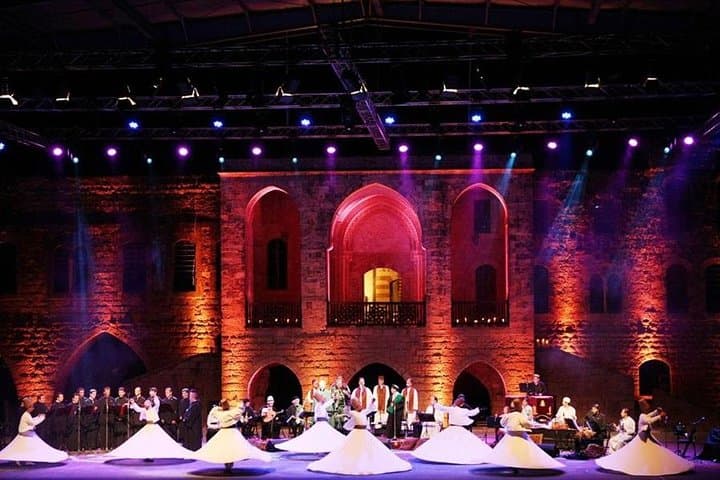

You climb into an air-conditioned van in Beirut at 09:00 and the city peels away behind you—Mediterranean glare, the honk of taxis, then the road lifting into oak- and pine-scarred slopes. By midmorning you’re in the museum’s cool hush, then later walking cobbled lanes where stone houses lean close and mountain air smells of wood smoke and mulberries.
You climb into an air-conditioned van in Beirut at 09:00 and the city peels away behind you—Mediterranean glare, the honk of taxis, then the road lifting into oak- and pine-scarred slopes. By midmorning you’re in the museum’s cool hush, then later walking cobbled lanes where stone houses lean close and mountain air smells of wood smoke and mulberries.
The day strings together distinct chapters of Lebanon’s past: the National Museum in Beirut lays out millennia—Phoenician to Ottoman—on three floors; Beiteddine Palace, built by the Emirs of Mount Lebanon in the 18th–19th centuries, displays ornate reception halls and mosaics; Mussa Palace offers a private collection and historical arms that reflect regional conflict and personal ambition. Deir el Qamar, once a political center, preserves narrow streets, arched courtyards and vernacular architecture shaped by silk trade and local governance under Ottoman rule and later the French mandate.
Expect mostly short walks and staircases, uneven stone streets in the towns, and indoor galleries with exhibits that require attention, not endurance. Practical points: hotel pickup and drop-off are included; plan on a 6–7 hour outing with restroom stops and a mix of indoor and outdoor time. Bring a water bottle, modest clothing for conservative sites, comfortable shoes for cobbles, and enough battery for photos—the viewpoints and courtyards reward the camera.
This tour suits travelers who want historical depth without a long hike—it's cultural exploration with a steady, scenic rhythm.