THE ADVENTURE COLLECTIVE® · Independent discovery and booking for outdoor travel

Take a 70-minute Cessna flight from Beirut for uninterrupted window views of the Mediterranean coast and Mount Lebanon. This narrated aerial tour highlights bays, coastal towns, and mountain terraces—ideal for first-time visitors who want a fast, dramatic orientation of the country.
Take a 70-minute Cessna flight from Beirut for uninterrupted window views of the Mediterranean coast and Mount Lebanon. This narrated aerial tour highlights bays, coastal towns, and mountain terraces—ideal for first-time visitors who want a fast, dramatic orientation of the country.
The Cessna lifts off from Rafic Hariri International and the city below shrinks into a grid of copper roofs and glass. Sea light fractures along the coastline while the Mount Lebanon range rises like a wall, snow patches and ski runs cutting white streaks into the rock. From a window seat—guaranteed on this high-wing plane—passengers watch the Mediterranean dare them toward the headlands and the mountains push back with deep valleys.
Verified experiences and guided adventures in the surrounding area.
Operated by Beirut Wings · Beirut, Beirut Governorate
The Cessna lifts off from Rafic Hariri International and the city below shrinks into a grid of copper roofs and glass. Sea light fractures along the coastline while the Mount Lebanon range rises like a wall, snow patches and ski runs cutting white streaks into the rock. From a window seat—guaranteed on this high-wing plane—passengers watch the Mediterranean dare them toward the headlands and the mountains push back with deep valleys.
Lebanon’s coastline is an ancient corridor of commerce; Beirut has been a port since Phoenician times, and the steep geology of Mount Lebanon is the result of tectonic uplift and Mediterranean erosion. Flying here offers both cultural markers—Jounieh Bay, the shrine of Harissa, seaside towns—and geological drama: terraces, ravines, and the cedar-lined spine further inland.
Pilots provide narrated points of interest via noise-cancelling headsets, highlighting landmarks and shaping a short history of the vistas beneath. The flight’s compact footprint makes it accessible to travelers who want a condensed orientation of Lebanon’s coastal and mountain geography without long drives.
Practical notes: expect 70 minutes airborne, small cabin space, and a three-passenger limit per aircraft. Carry a camera, secure loose items, and check weather—the coastal haze or winter storms can lead to cancellations. Travelers with heart conditions should consult a doctor; infants may be accommodated with specialist seats. Book morning flights for the best light and calmer air. This is an efficient, visual-first way to experience Lebanon’s contrasts—sea brightness, mountain shadow—compressed into a single, vivid loop above the land.
easy.
1–1.5 hours.
Minimal physical fitness required; passengers must be able to board a small aircraft and sit for the duration.
The tour is approximately 70 minutes and covers Beirut’s coastline, Dora and Jounieh Bays, Faraya and nearby mountain slopes—pilots provide live narration.
Yes; the high-wing Cessna layout gives each passenger a window seat and the operator supplies noise-reducing headsets for commentary.
Aircraft accommodate up to three passengers; bookings require passenger names and passport details for security and immigration checks.
Cancel at least 24 hours in advance for a full refund; flights may be cancelled for bad weather. Not recommended for travelers with serious heart conditions.
Beirut’s harbor has been a maritime crossroads since Phoenician times; the coastal settlements and mountain terraces reflect centuries of human adaptation to Levantine geology.
Operators follow airspace regulations to limit noise and maintain safety; travelers can reduce impact by choosing licensed companies and minimizing extra ground transfers.
Beirut Wings operates guided outdoor trips and adventures with an emphasis on safety, stewardship, and memorable experiences.


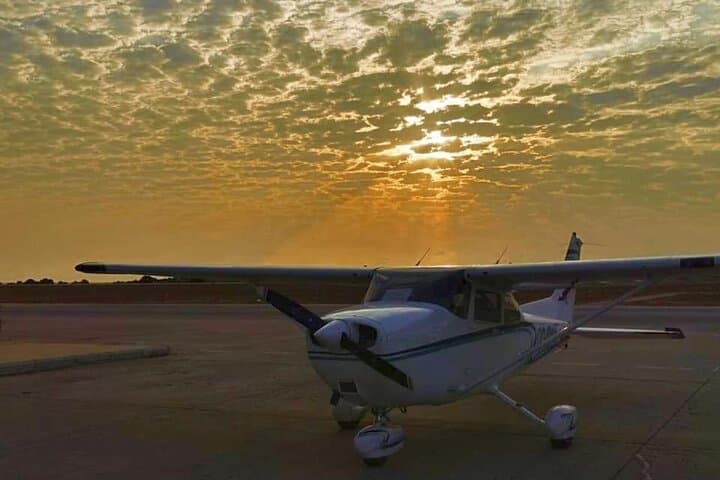
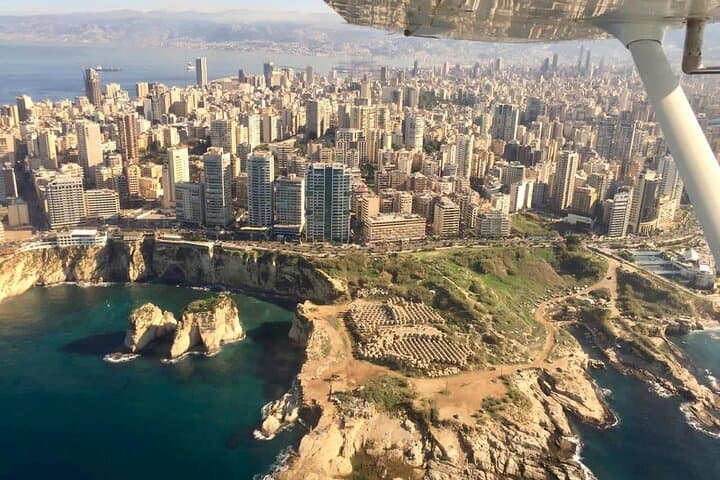
The Cessna lifts off from Rafic Hariri International and the city below shrinks into a grid of copper roofs and glass. Sea light fractures along the coastline while the Mount Lebanon range rises like a wall, snow patches and ski runs cutting white streaks into the rock. From a window seat—guaranteed on this high-wing plane—passengers watch the Mediterranean dare them toward the headlands and the mountains push back with deep valleys.
The Cessna lifts off from Rafic Hariri International and the city below shrinks into a grid of copper roofs and glass. Sea light fractures along the coastline while the Mount Lebanon range rises like a wall, snow patches and ski runs cutting white streaks into the rock. From a window seat—guaranteed on this high-wing plane—passengers watch the Mediterranean dare them toward the headlands and the mountains push back with deep valleys.
Lebanon’s coastline is an ancient corridor of commerce; Beirut has been a port since Phoenician times, and the steep geology of Mount Lebanon is the result of tectonic uplift and Mediterranean erosion. Flying here offers both cultural markers—Jounieh Bay, the shrine of Harissa, seaside towns—and geological drama: terraces, ravines, and the cedar-lined spine further inland.
Pilots provide narrated points of interest via noise-cancelling headsets, highlighting landmarks and shaping a short history of the vistas beneath. The flight’s compact footprint makes it accessible to travelers who want a condensed orientation of Lebanon’s coastal and mountain geography without long drives.
Practical notes: expect 70 minutes airborne, small cabin space, and a three-passenger limit per aircraft. Carry a camera, secure loose items, and check weather—the coastal haze or winter storms can lead to cancellations. Travelers with heart conditions should consult a doctor; infants may be accommodated with specialist seats. Book morning flights for the best light and calmer air. This is an efficient, visual-first way to experience Lebanon’s contrasts—sea brightness, mountain shadow—compressed into a single, vivid loop above the land.