THE ADVENTURE COLLECTIVE® · Independent discovery and booking for outdoor travel

Two contrasting winter days: hike or ride the restored ramparts of Mutianyu Great Wall, then trade history for high-speed turns at Nanshan Ski Resort. This private, flexible package combines culture and skiing just outside Beijing.
Two contrasting winter days: hike or ride the restored ramparts of Mutianyu Great Wall, then trade history for high-speed turns at Nanshan Ski Resort. This private, flexible package combines culture and skiing just outside Beijing.
You step off the van into thin, cold air and the Great Wall unfurls up the ridge like a weathered stairway. On the Mutianyu side the stone is broad and forgiving; wind pushes at your hood while the valley below gathers low clouds that slide like silk through the pines.
Verified experiences and guided adventures in the surrounding area.
Operated by Great Wall Beijing · Beijing, Beijing
You step off the van into thin, cold air and the Great Wall unfurls up the ridge like a weathered stairway. On the Mutianyu side the stone is broad and forgiving; wind pushes at your hood while the valley below gathers low clouds that slide like silk through the pines.
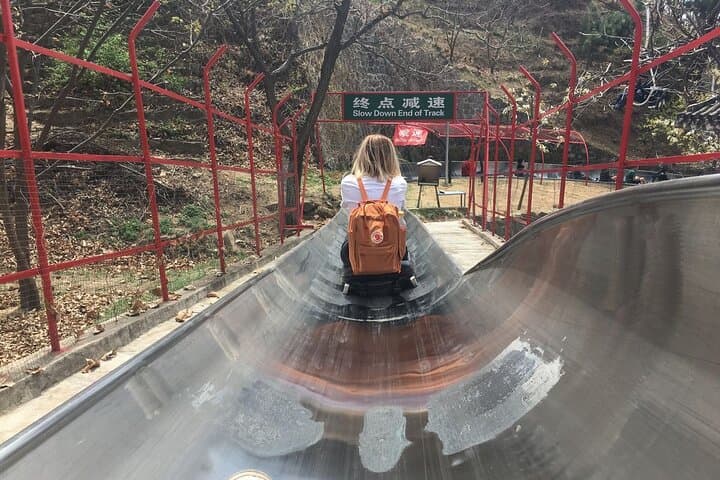
Mutianyu traces its origins to the Northern Qi and was rebuilt during the Ming dynasty, its watchtowers and crenellations standing as practical architecture more than ornament. Geologically, the hills are low granite ridges eroded into rounded spurs that give sweeping views rather than jagged summits. A culture of preservation and tourism mixes here—local crews maintain ramps and the cable car, while nearby villages offer teahouse fare and roast chestnuts.
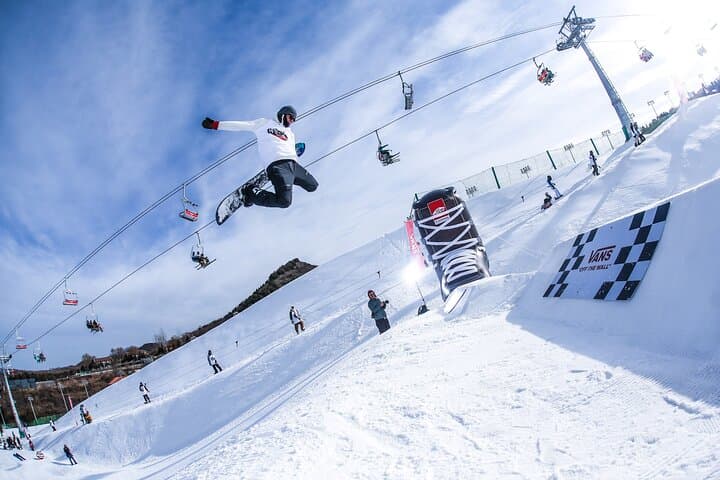
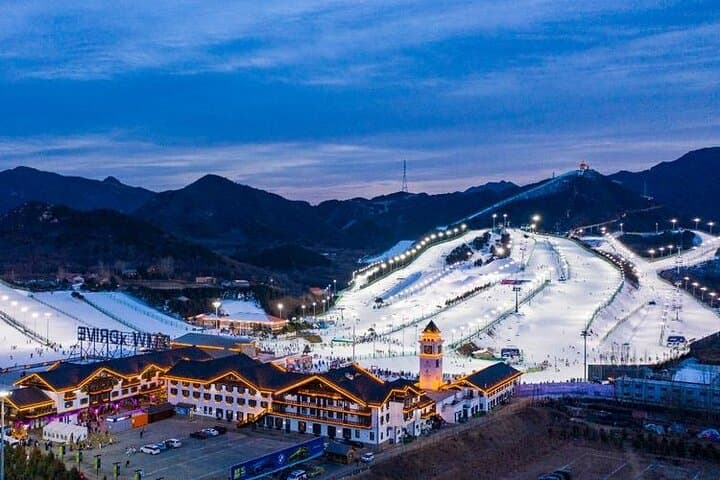
By day two the scene changes: Nanshan Ski Resort lays out a network of groomed slopes, a chorus of skis and chairlift hum. Snow at Nanshan is managed and often machine-made; instructors shape beginners while experienced skiers can push into steeper runs or a small terrain park.
Practical guidance: book transfers and ticketing in advance to skip lines; use the cable car at Mutianyu if you prefer less climbing and reserve ski lessons at Nanshan if you’re new to downhill. Layer for variable mountain sun and wind, hydrate in the dry air, and allow time between activities—altitude and cold sap energy faster than you expect. Bring a small daypack for essentials and a camera with spare batteries; cold drains power. With common-sense prep, this two-day combo gives a crisp blend of history and winter sport where each landscape dares you to keep moving.
moderate.
2 days.
Light to moderate fitness for walking on the wall; basic stamina and balance helpful for recreational skiing.
Mutianyu is roughly 70–80 km northeast of central Beijing; travel time by private car or van is about 1.5–2 hours depending on traffic.
No—Nanshan offers beginner slopes and paid lessons; the tour is suitable for non-skiers who prefer to watch or join snow play activities.
This package includes entrance tickets and basic lift access per the itinerary; optional upgrades like advanced lessons or equipment rental are extra.
Mutianyu is one of the more family-friendly sections—wide ramparts and optional cable car or chairlift make it accessible even for moderate fitness levels.
Mutianyu’s stonework reflects Northern Qi origins and extensive Ming-era rebuilding; Nanshan is a modern ski development born from Beijing’s winter sports expansion.
Stay on designated paths to limit erosion on the wall; Nanshan uses snowmaking—respect water use policies and avoid litter on slopes.
Great Wall Beijing operates guided outdoor trips and adventures with an emphasis on safety, stewardship, and memorable experiences.
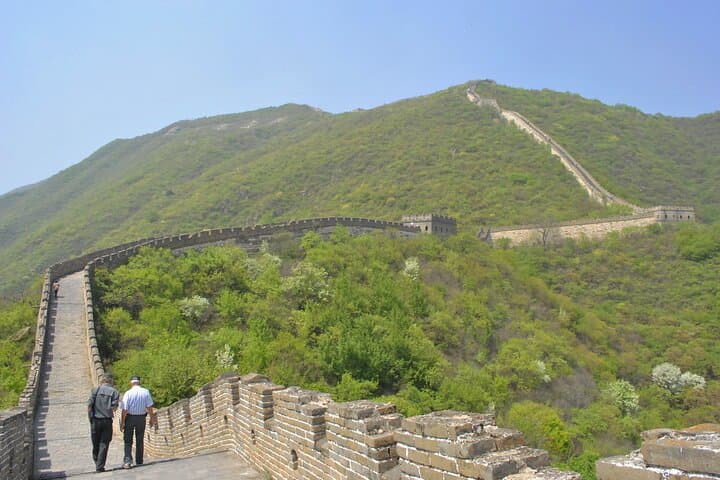
You step off the van into thin, cold air and the Great Wall unfurls up the ridge like a weathered stairway. On the Mutianyu side the stone is broad and forgiving; wind pushes at your hood while the valley below gathers low clouds that slide like silk through the pines.
You step off the van into thin, cold air and the Great Wall unfurls up the ridge like a weathered stairway. On the Mutianyu side the stone is broad and forgiving; wind pushes at your hood while the valley below gathers low clouds that slide like silk through the pines.
Mutianyu traces its origins to the Northern Qi and was rebuilt during the Ming dynasty, its watchtowers and crenellations standing as practical architecture more than ornament. Geologically, the hills are low granite ridges eroded into rounded spurs that give sweeping views rather than jagged summits. A culture of preservation and tourism mixes here—local crews maintain ramps and the cable car, while nearby villages offer teahouse fare and roast chestnuts.
By day two the scene changes: Nanshan Ski Resort lays out a network of groomed slopes, a chorus of skis and chairlift hum. Snow at Nanshan is managed and often machine-made; instructors shape beginners while experienced skiers can push into steeper runs or a small terrain park.
Practical guidance: book transfers and ticketing in advance to skip lines; use the cable car at Mutianyu if you prefer less climbing and reserve ski lessons at Nanshan if you’re new to downhill. Layer for variable mountain sun and wind, hydrate in the dry air, and allow time between activities—altitude and cold sap energy faster than you expect. Bring a small daypack for essentials and a camera with spare batteries; cold drains power. With common-sense prep, this two-day combo gives a crisp blend of history and winter sport where each landscape dares you to keep moving.