THE ADVENTURE COLLECTIVE® · Independent discovery and booking for outdoor travel

A private 13-day route from Beijing to Hong Kong that pairs the Great Wall and Forbidden City with Xi'an's Terracotta Army, Chengdu pandas and Guilin’s karst rivers. Expect a mix of short hikes, high-speed train legs and culturally rich stops—ideal for travelers who want iconic China in one seamless itinerary.
A private 13-day route from Beijing to Hong Kong that pairs the Great Wall and Forbidden City with Xi'an's Terracotta Army, Chengdu pandas and Guilin’s karst rivers. Expect a mix of short hikes, high-speed train legs and culturally rich stops—ideal for travelers who want iconic China in one seamless itinerary.
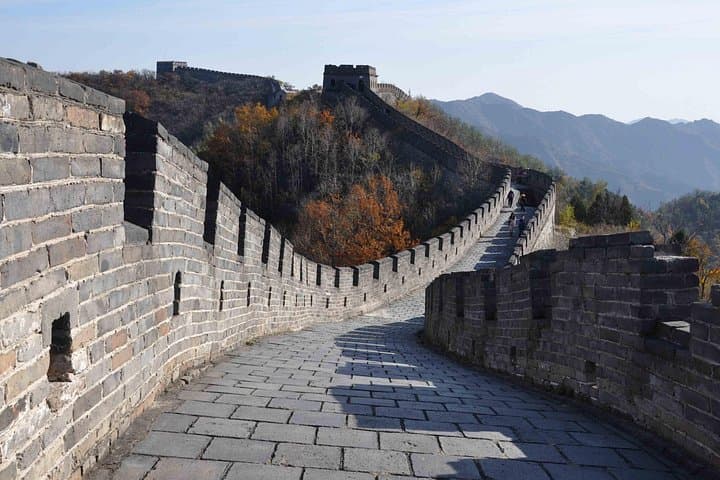
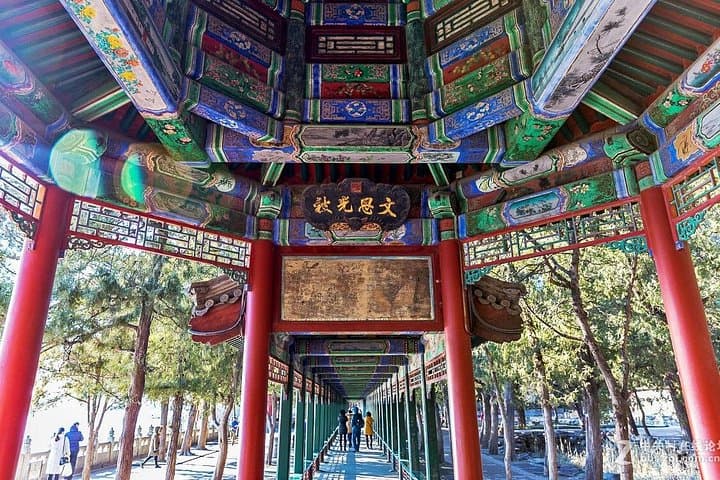
You step off the train in Beijing with a city of stone and cedar pressing around you — the Forbidden City’s roofs close at hand and, later, the Great Wall rising like a serrated ridge above pines. Over 13 days this private route threads through imperial courts, Qin dynasty graves, bamboo forests and karst peaks, each day offering a different rhythm: urban museums, river valleys and highland terraces.
Verified experiences and guided adventures in the surrounding area.
Operated by Larry Li · Beijing, Beijing
You step off the train in Beijing with a city of stone and cedar pressing around you — the Forbidden City’s roofs close at hand and, later, the Great Wall rising like a serrated ridge above pines. Over 13 days this private route threads through imperial courts, Qin dynasty graves, bamboo forests and karst peaks, each day offering a different rhythm: urban museums, river valleys and highland terraces.
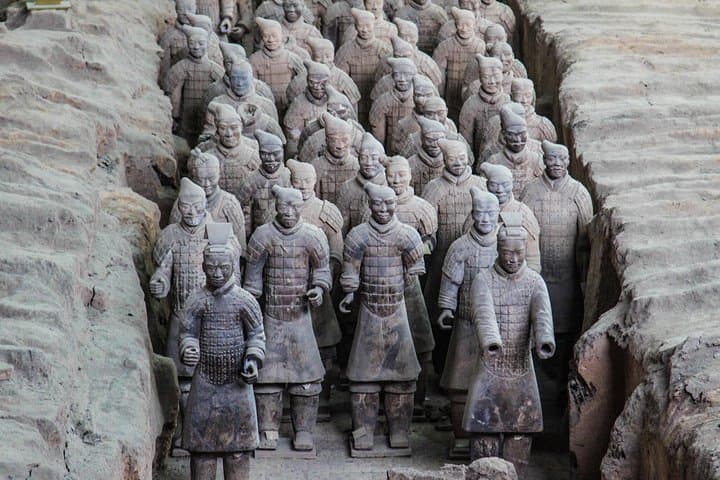
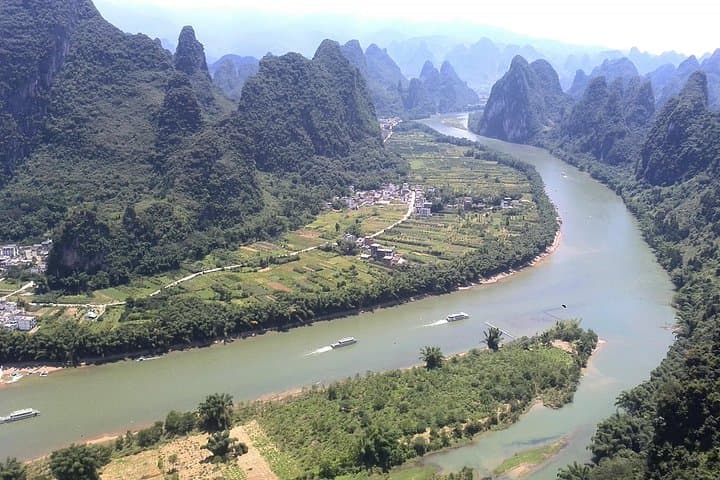
The itinerary moves west from Ming-era Beijing walls to Xi’an’s 3rd-century Terracotta Army, then on to Chengdu’s panda reserves and Taoist slopes of Mount Qingcheng, finally descending into Guilin’s limestone karst and the braided Li and Yulong rivers. Geology shapes the trip — from the loess plains around Xi’an to the water-sculpted karst towers that define Guilin — while human history is equally present: Ming fortifications, Han tomb complexes and rice terraces carved over centuries by local Zhuang communities.
Expect active but accessible days: chairlift access and toboggan at Mutianyu; 1–2 hours of wall hiking, multi-hour drives, and several rail legs (Beijing–Xi’an ~4.5 hr, Xi’an–Chengdu ~4 hr, Chengdu–Guilin ~5.5 hr, Guilin–Hong Kong ~3.5 hr). Trails range from paved palace grounds to steep forest paths with several hundred meters of ascent on mountain sections and terraced slopes.
Practical notes: carry layered clothing for changing elevations, a daypack with water and snacks, and comfortable walking shoes; travel light if you want the small-car option noted for two people. Book hotels in city centers for easy pickup, confirm high-speed train seats, and respect panda reserve rules (no flash photography, keep distance). With planning, this tour balances cultural depth and outdoor variety without extreme exertion.
moderate.
13 days.
Suitable for travelers who can handle multiple days of 2–4 hours of walking and several stair climbs; not technically demanding but requires stamina for transfers and uneven trails.
Yes—this tour includes bullet train tickets for the segments listed if you choose the option with trains included; your guide will handle logistics.
Most nationalities require a Chinese visa to enter; verify visa requirements for China and any entry rules for Hong Kong well before travel.
The tour has many accessible urban sites, but locations like the Great Wall and mountain trails involve steps and uneven ground—not recommended for those with significant mobility limits.
Packages often allow adjustments—confirm with the operator; the tour can end in Guilin or transfer to Guilin airport for independent onward flights if preferred.
The route links major eras of Chinese history—from Ming dynasty fortifications in Beijing to Qin-era funerary armies in Xi’an and centuries-old terrace agriculture in Guangxi.
Follow reserve rules at panda bases, stay on marked paths in terraces and avoid single-use plastics to reduce impact on fragile karst and wetland ecosystems.
Larry Li operates guided outdoor trips and adventures with an emphasis on safety, stewardship, and memorable experiences.
You step off the train in Beijing with a city of stone and cedar pressing around you — the Forbidden City’s roofs close at hand and, later, the Great Wall rising like a serrated ridge above pines. Over 13 days this private route threads through imperial courts, Qin dynasty graves, bamboo forests and karst peaks, each day offering a different rhythm: urban museums, river valleys and highland terraces.
You step off the train in Beijing with a city of stone and cedar pressing around you — the Forbidden City’s roofs close at hand and, later, the Great Wall rising like a serrated ridge above pines. Over 13 days this private route threads through imperial courts, Qin dynasty graves, bamboo forests and karst peaks, each day offering a different rhythm: urban museums, river valleys and highland terraces.
The itinerary moves west from Ming-era Beijing walls to Xi’an’s 3rd-century Terracotta Army, then on to Chengdu’s panda reserves and Taoist slopes of Mount Qingcheng, finally descending into Guilin’s limestone karst and the braided Li and Yulong rivers. Geology shapes the trip — from the loess plains around Xi’an to the water-sculpted karst towers that define Guilin — while human history is equally present: Ming fortifications, Han tomb complexes and rice terraces carved over centuries by local Zhuang communities.
Expect active but accessible days: chairlift access and toboggan at Mutianyu; 1–2 hours of wall hiking, multi-hour drives, and several rail legs (Beijing–Xi’an ~4.5 hr, Xi’an–Chengdu ~4 hr, Chengdu–Guilin ~5.5 hr, Guilin–Hong Kong ~3.5 hr). Trails range from paved palace grounds to steep forest paths with several hundred meters of ascent on mountain sections and terraced slopes.
Practical notes: carry layered clothing for changing elevations, a daypack with water and snacks, and comfortable walking shoes; travel light if you want the small-car option noted for two people. Book hotels in city centers for easy pickup, confirm high-speed train seats, and respect panda reserve rules (no flash photography, keep distance). With planning, this tour balances cultural depth and outdoor variety without extreme exertion.