THE ADVENTURE COLLECTIVE® · Independent discovery and booking for outdoor travel

Practice slow Tai Chi in a Qing-era courtyard and then learn Chinese calligraphy with an expert—two 90-minute sessions that pair movement, breathing, and inkwork in central Beijing. Perfect for beginners seeking a calm, cultural immersion.
Practice slow Tai Chi in a Qing-era courtyard and then learn Chinese calligraphy with an expert—two 90-minute sessions that pair movement, breathing, and inkwork in central Beijing. Perfect for beginners seeking a calm, cultural immersion.
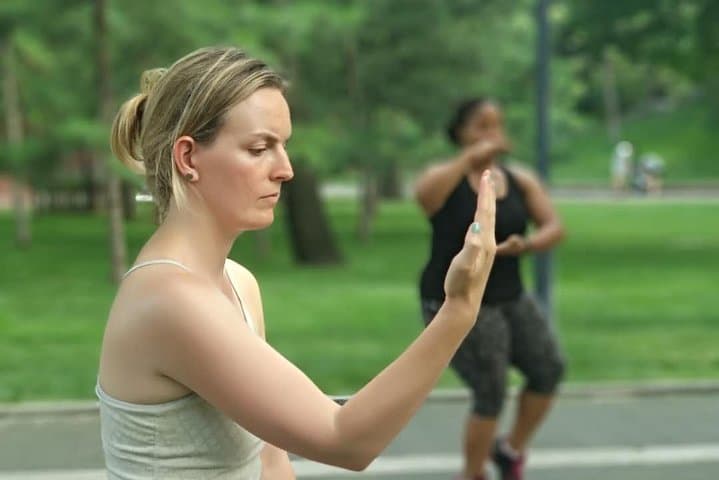
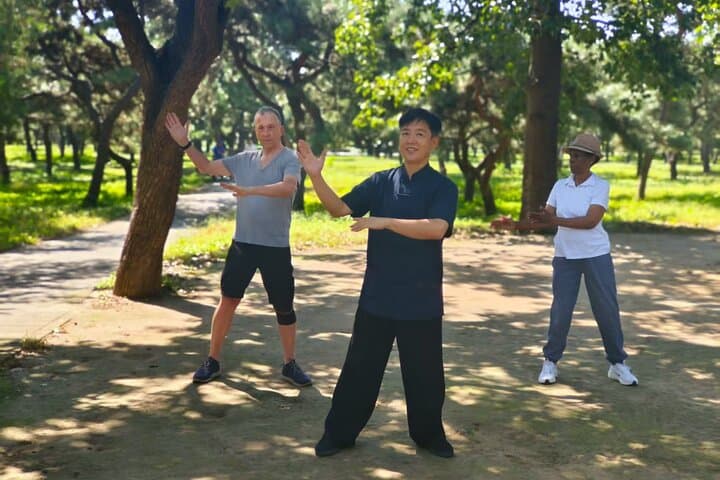
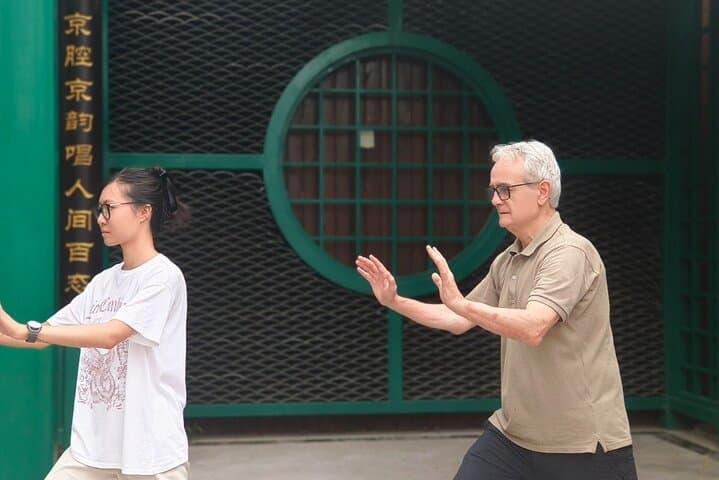
Morning light filters through an old courtyard gate as the class gathers at the former residence of Ji Xiaolan in central Beijing. Inhale—there’s a faint smell of ink and warm stone—then move. The instructor guides slow, deliberate Tai Chi sequences that stretch joints and sharpen focus; movements feel like the city pausing to breathe.
Verified experiences and guided adventures in the surrounding area.
Operated by Beijing San Feng Tai Chi Club · Beijing, Beijing
Morning light filters through an old courtyard gate as the class gathers at the former residence of Ji Xiaolan in central Beijing. Inhale—there’s a faint smell of ink and warm stone—then move. The instructor guides slow, deliberate Tai Chi sequences that stretch joints and sharpen focus; movements feel like the city pausing to breathe.
The site carries layers of Qing-era history: Ji Xiaolan, a noted scholar-official, lived and worked here, and the courtyard architecture reflects Beijing’s traditional siheyuan layout. The practice itself traces Chinese philosophy—Taoist ideas of yin and yang underpin the sequences—while the calligraphy session reconnects participants with literati culture, inkstone, and brushwork that shaped Chinese visual language for centuries.
Visitors can expect 90 minutes of Tai Chi (beginner-friendly) followed by 90 minutes of calligraphy instruction. The terrain is flat—courtyard paving and indoor classrooms—so the physical demand is low, but the mental focus required is high. The calligraphy portion covers basic strokes, ink handling, and paper preparation; students leave with a practiced character and a better sense of stroke economy.
Practical notes: wear loose, comfortable clothing and flat shoes; bring water and a small towel. Arrive 10–15 minutes early to check in and warm up. Respect the site—speak softly, follow instructors’ lead, and handle brushes and ink with care. Morning sessions are cooler and quieter; if you want photos, ask permission during breaks. This is a compact cultural immersion that pairs gentle movement with a tactile lesson in Chinese writing.
easy.
3 hours.
Suitable for most fitness levels; emphasis is on balance, coordination, and mental focus rather than cardiovascular exertion.
No — both sessions are beginner-friendly; instructors introduce fundamentals and adapt pacing for mixed-ability groups.
Loose, comfortable clothing and flat shoes are recommended; bring a light layer in cooler months as courtyards can be breezy.
Children can participate but must be accompanied by an adult; instructors tailor attention but younger kids may have shorter focus spans.
Yes — participants typically keep their practice sheets; brushes and ink are provided, but you may purchase supplies locally if you want to continue at home.
The venue is the former residence of Ji Xiaolan, an influential Qing-dynasty scholar; the courtyard retains elements of traditional siheyuan architecture that shaped urban Beijing life.
Small-group cultural classes help support maintenance of historic sites; visitors should follow site rules, avoid littering, and handle materials carefully to minimize wear.
Beijing San Feng Tai Chi Club operates guided outdoor trips and adventures with an emphasis on safety, stewardship, and memorable experiences.

Morning light filters through an old courtyard gate as the class gathers at the former residence of Ji Xiaolan in central Beijing. Inhale—there’s a faint smell of ink and warm stone—then move. The instructor guides slow, deliberate Tai Chi sequences that stretch joints and sharpen focus; movements feel like the city pausing to breathe.
Morning light filters through an old courtyard gate as the class gathers at the former residence of Ji Xiaolan in central Beijing. Inhale—there’s a faint smell of ink and warm stone—then move. The instructor guides slow, deliberate Tai Chi sequences that stretch joints and sharpen focus; movements feel like the city pausing to breathe.
The site carries layers of Qing-era history: Ji Xiaolan, a noted scholar-official, lived and worked here, and the courtyard architecture reflects Beijing’s traditional siheyuan layout. The practice itself traces Chinese philosophy—Taoist ideas of yin and yang underpin the sequences—while the calligraphy session reconnects participants with literati culture, inkstone, and brushwork that shaped Chinese visual language for centuries.
Visitors can expect 90 minutes of Tai Chi (beginner-friendly) followed by 90 minutes of calligraphy instruction. The terrain is flat—courtyard paving and indoor classrooms—so the physical demand is low, but the mental focus required is high. The calligraphy portion covers basic strokes, ink handling, and paper preparation; students leave with a practiced character and a better sense of stroke economy.
Practical notes: wear loose, comfortable clothing and flat shoes; bring water and a small towel. Arrive 10–15 minutes early to check in and warm up. Respect the site—speak softly, follow instructors’ lead, and handle brushes and ink with care. Morning sessions are cooler and quieter; if you want photos, ask permission during breaks. This is a compact cultural immersion that pairs gentle movement with a tactile lesson in Chinese writing.