THE ADVENTURE COLLECTIVE® · Independent discovery and booking for outdoor travel

Walk Jingshan Hill for sweeping palace views, glide through Beihai Park’s imperial gardens, and thread historic hutongs in a private day tour with an imperial-style lunch. This guided route pairs cultural context with easy walking and local flavors.
Walk Jingshan Hill for sweeping palace views, glide through Beihai Park’s imperial gardens, and thread historic hutongs in a private day tour with an imperial-style lunch. This guided route pairs cultural context with easy walking and local flavors.
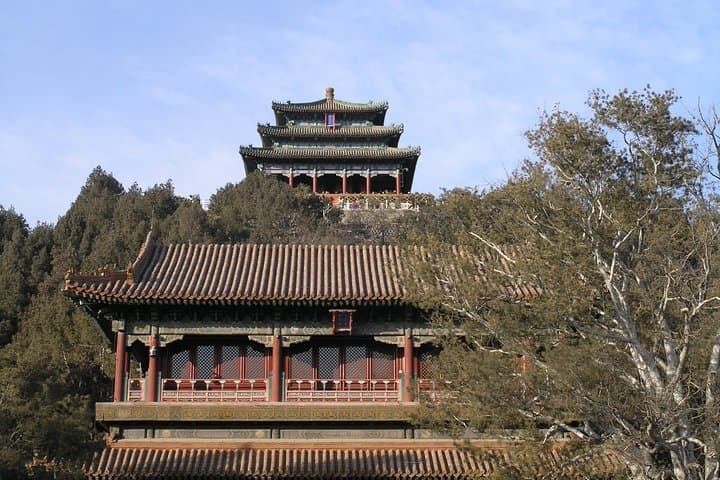
Stand at the crest of Jingshan Hill and the city opens like a map: the Forbidden City’s tiled roofs push southward, alleys and modern towers stretching beyond. The breeze at the summit pushes questions of time and place—old defenses reworked into viewpoints that let you read Beijing’s layered history with a single glance.
Verified experiences and guided adventures in the surrounding area.
Operated by Wikibeijing · Beijing, Beijing
Stand at the crest of Jingshan Hill and the city opens like a map: the Forbidden City’s tiled roofs push southward, alleys and modern towers stretching beyond. The breeze at the summit pushes questions of time and place—old defenses reworked into viewpoints that let you read Beijing’s layered history with a single glance.
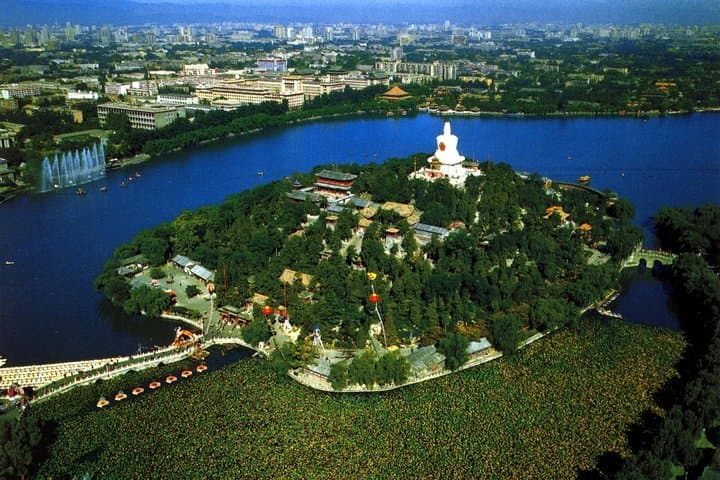
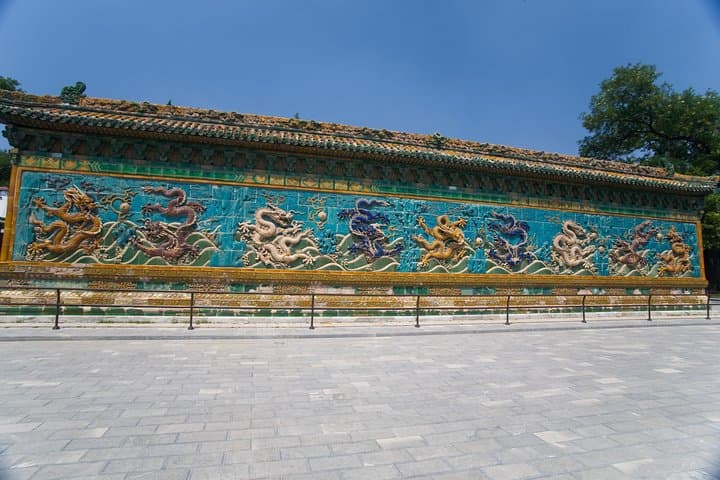
This private walking tour threads three distinct chapters of the capital. Jingshan is an artificial mound hewn from the Forbidden City moat to satisfy Feng shui and imperial security; its compact summit gives panoramic perspective and a tangible sense of why emperors orient cities. A short walk brings you into Beihai Park, a long-standing imperial garden where the White Dagoba, the Nine-Dragon Screen and the Five Dragon Pavilion punctuate lakeside walks; boats appear seasonally, coaxing visitors onto the water. The afternoon moves into the hutongs around Houhai and Yandaixie Street, where Ming and Qing-era courtyards meet cafés and narrow lanes—streets that once housed officials now host plates, bars, and restored shopfronts. Finish with the sound of drums and bells at the Drum and Bell Towers, where a short performance still marks time as it did centuries ago.
Practical edge: expect 7–8 hours on foot with intermittent standing; comfortable shoes and a light pack make the day easier. Bring cash for small purchases in the hutongs, flag dietary needs ahead for the imperial set menu, and plan morning starts for cooler air or late-afternoon light for photography. The route is low-technical but high-on-story—walk briskly and listen closely.
easy.
7–8 hours.
Light to moderate baseline fitness for sustained walking and short stair sections; suitable for most adults who can remain active for a full day.
Yes—admission to Jingshan Hill, Beihai Park and the Drum/Bell Towers is included in the tour price.
Hotel pickup and drop-off in central Beijing are included; confirm your pickup point when booking.
The tour covers several kilometers over 7–8 hours with short climbs and many stops; it’s suitable for most fitness levels but involves continuous walking and standing.
Yes—inform the operator in advance about allergies or dietary needs so the kitchen can adjust the set menu where possible.
Jingshan Hill was built from earth dug during the construction of the Forbidden City moat and aligned by Feng shui; Beihai has served as an imperial retreat since the Liao and Jin dynasties, refined under successive emperors.
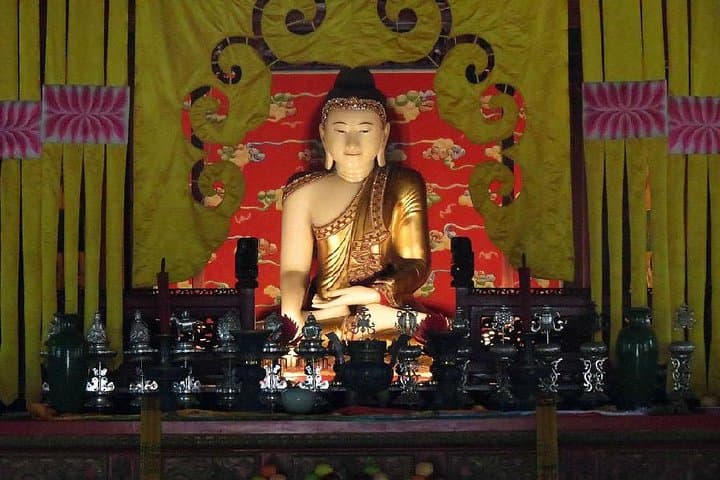
Heavy foot traffic impacts historic hutong alleys and park lawns—stay on paths, avoid touching fragile temple art, and follow local signage to reduce wear.
Wikibeijing operates guided outdoor trips and adventures with an emphasis on safety, stewardship, and memorable experiences.
Stand at the crest of Jingshan Hill and the city opens like a map: the Forbidden City’s tiled roofs push southward, alleys and modern towers stretching beyond. The breeze at the summit pushes questions of time and place—old defenses reworked into viewpoints that let you read Beijing’s layered history with a single glance.
Stand at the crest of Jingshan Hill and the city opens like a map: the Forbidden City’s tiled roofs push southward, alleys and modern towers stretching beyond. The breeze at the summit pushes questions of time and place—old defenses reworked into viewpoints that let you read Beijing’s layered history with a single glance.
This private walking tour threads three distinct chapters of the capital. Jingshan is an artificial mound hewn from the Forbidden City moat to satisfy Feng shui and imperial security; its compact summit gives panoramic perspective and a tangible sense of why emperors orient cities. A short walk brings you into Beihai Park, a long-standing imperial garden where the White Dagoba, the Nine-Dragon Screen and the Five Dragon Pavilion punctuate lakeside walks; boats appear seasonally, coaxing visitors onto the water. The afternoon moves into the hutongs around Houhai and Yandaixie Street, where Ming and Qing-era courtyards meet cafés and narrow lanes—streets that once housed officials now host plates, bars, and restored shopfronts. Finish with the sound of drums and bells at the Drum and Bell Towers, where a short performance still marks time as it did centuries ago.
Practical edge: expect 7–8 hours on foot with intermittent standing; comfortable shoes and a light pack make the day easier. Bring cash for small purchases in the hutongs, flag dietary needs ahead for the imperial set menu, and plan morning starts for cooler air or late-afternoon light for photography. The route is low-technical but high-on-story—walk briskly and listen closely.