THE ADVENTURE COLLECTIVE® · Independent discovery and booking for outdoor travel

Spend a single, well-paced day exploring imperial Beijing: skip queues at the Forbidden City, walk the restored Mutianyu Great Wall with cable-car or toboggan options, and travel in comfort with private pickup and an expert guide. Practical, immersive, and accessible for most travelers.
Spend a single, well-paced day exploring imperial Beijing: skip queues at the Forbidden City, walk the restored Mutianyu Great Wall with cable-car or toboggan options, and travel in comfort with private pickup and an expert guide. Practical, immersive, and accessible for most travelers.
You step out of the air-conditioned van into a broad sweep of stone and sky — Tiananmen Square opens like a public room to the nation, then the Forbidden City folds inward: courtyards, red lacquer, and roofs that catch the light. Later, at Mutianyu the wall rises and falls over forested ridgelines, watchtowers punctuating miles of Ming-era masonry as breezes push through the pines.
Verified experiences and guided adventures in the surrounding area.
Operated by Encounter China Tours · Beijing, Beijing
You step out of the air-conditioned van into a broad sweep of stone and sky — Tiananmen Square opens like a public room to the nation, then the Forbidden City folds inward: courtyards, red lacquer, and roofs that catch the light. Later, at Mutianyu the wall rises and falls over forested ridgelines, watchtowers punctuating miles of Ming-era masonry as breezes push through the pines.
The day pairs two UNESCO sites that bookend imperial China’s story. The Forbidden City was the political heart for nearly 500 years, its layout governed by ritual and axis; Tiananmen marks the modern civic stage. Mutianyu, rebuilt in the 20th century on older foundations, runs across granite ridges—expect steep stone steps, crenellated parapets, and views into valleys shaped by glacial and fluvial erosion.
Culturally this is a choreography of access: skip-the-line tickets and a local English-speaking guide keep the rhythm efficient while delivering historical context and architectural detail. Expect practical comforts — cable car and toboggan options at Mutianyu and door-to-door pickup in Beijing.
Plan for 8–9 hours: wear supportive shoes for uneven stone, carry a refillable water bottle, and bring a light layer for wind on the Wall. Mid-morning or late-afternoon departures ease crowds and light for photos.
This is a full, structured day for travelers who want both sweeping vistas and museum-grade history, balanced with ease-of-movement and logistical simplicity.
easy.
8–9 hours.
Suitable for most travelers who can walk 2–4 miles over varied surfaces and climb stairs.
Yes — this tour includes entrance tickets for both sites, along with any scheduled cableway or toboggan options specified in your booking.
No specialized fitness is required; the tour is labeled physically easy, but expect several hours of walking and stair-climbing, especially on the Wall.
Meals are optional; some itineraries include a local lunch option, but you can request stops or bring snacks if preferred.
Yes — the private tour includes an English-speaking guide, and the vehicle accommodates luggage and brief stops as needed.
The Forbidden City served as imperial palace from 1420 to 1912 and was carefully arranged to reflect cosmology and imperial hierarchy; Mutianyu’s current walls were restored during the Ming dynasty atop older fortifications.
Visitor management, including limited admission and maintained pathways, helps protect both archaeological fabric and forested slopes; stick to marked trails and avoid littering.
Encounter China Tours operates guided outdoor trips and adventures with an emphasis on safety, stewardship, and memorable experiences.

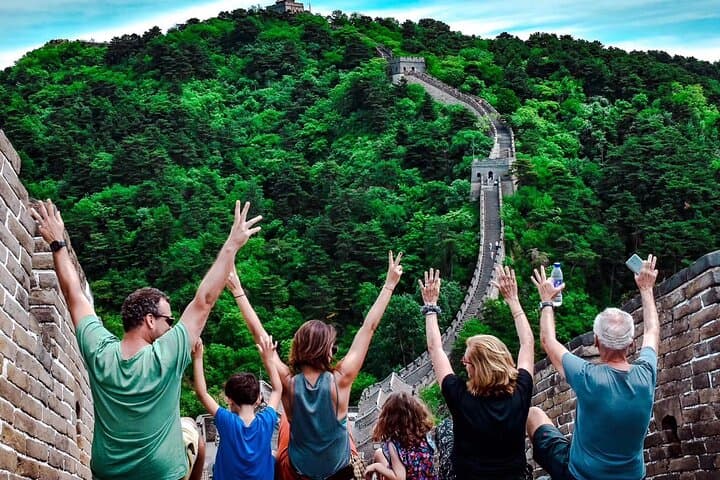
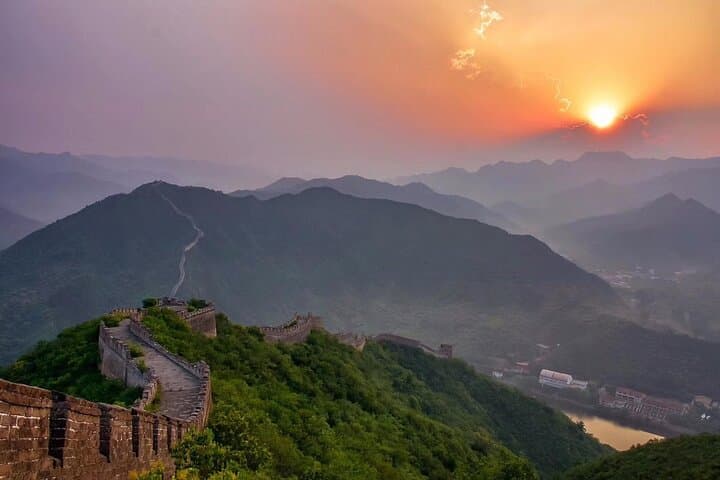
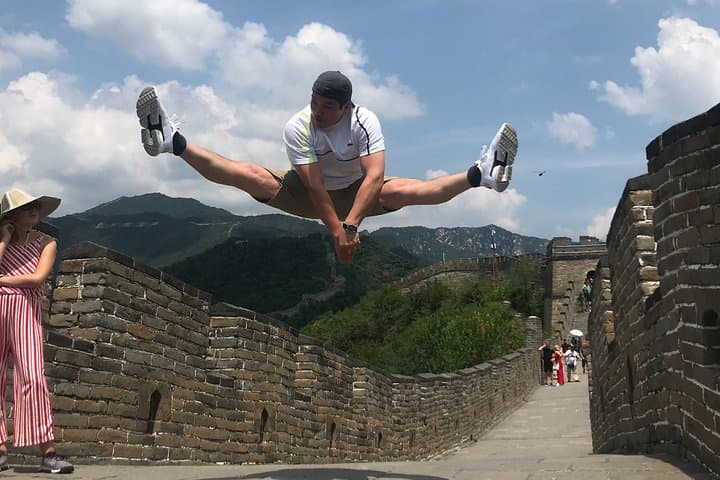
You step out of the air-conditioned van into a broad sweep of stone and sky — Tiananmen Square opens like a public room to the nation, then the Forbidden City folds inward: courtyards, red lacquer, and roofs that catch the light. Later, at Mutianyu the wall rises and falls over forested ridgelines, watchtowers punctuating miles of Ming-era masonry as breezes push through the pines.
You step out of the air-conditioned van into a broad sweep of stone and sky — Tiananmen Square opens like a public room to the nation, then the Forbidden City folds inward: courtyards, red lacquer, and roofs that catch the light. Later, at Mutianyu the wall rises and falls over forested ridgelines, watchtowers punctuating miles of Ming-era masonry as breezes push through the pines.
The day pairs two UNESCO sites that bookend imperial China’s story. The Forbidden City was the political heart for nearly 500 years, its layout governed by ritual and axis; Tiananmen marks the modern civic stage. Mutianyu, rebuilt in the 20th century on older foundations, runs across granite ridges—expect steep stone steps, crenellated parapets, and views into valleys shaped by glacial and fluvial erosion.
Culturally this is a choreography of access: skip-the-line tickets and a local English-speaking guide keep the rhythm efficient while delivering historical context and architectural detail. Expect practical comforts — cable car and toboggan options at Mutianyu and door-to-door pickup in Beijing.
Plan for 8–9 hours: wear supportive shoes for uneven stone, carry a refillable water bottle, and bring a light layer for wind on the Wall. Mid-morning or late-afternoon departures ease crowds and light for photos.
This is a full, structured day for travelers who want both sweeping vistas and museum-grade history, balanced with ease-of-movement and logistical simplicity.