THE ADVENTURE COLLECTIVE® · Independent discovery and booking for outdoor travel

Escape Beijing for a day of cliffs, a reservoir-cut gorge and mysterious cave dwellings. This private tour pairs a short open-top boat, cable car ridgelines and the enigmatic rock rooms of Guyaju for a concentrated taste of northern China’s wild and human-shaped landscape.
Escape Beijing for a day of cliffs, a reservoir-cut gorge and mysterious cave dwellings. This private tour pairs a short open-top boat, cable car ridgelines and the enigmatic rock rooms of Guyaju for a concentrated taste of northern China’s wild and human-shaped landscape.
Mist lifts from a narrow canyon as the tour vehicle threads northwest out of Beijing, the city’s skyline trading concrete for steeper gray faces and a reservoir that glints between cliffs.
Verified experiences and guided adventures in the surrounding area.
Operated by Encounter China Tours · Yanqing, Beijing
Mist lifts from a narrow canyon as the tour vehicle threads northwest out of Beijing, the city’s skyline trading concrete for steeper gray faces and a reservoir that glints between cliffs.
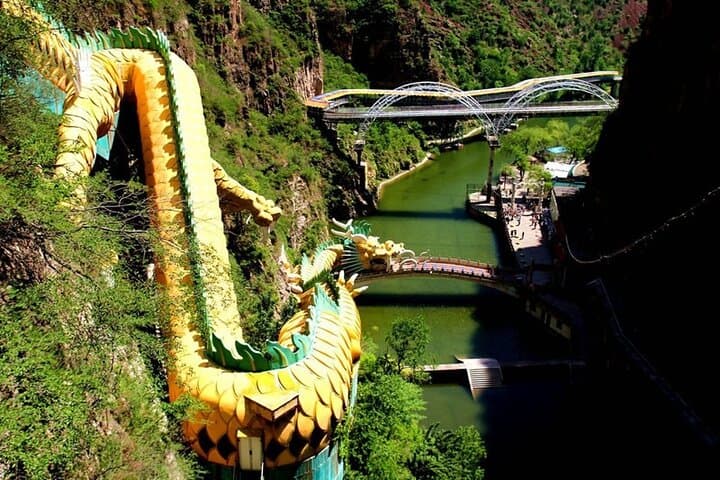
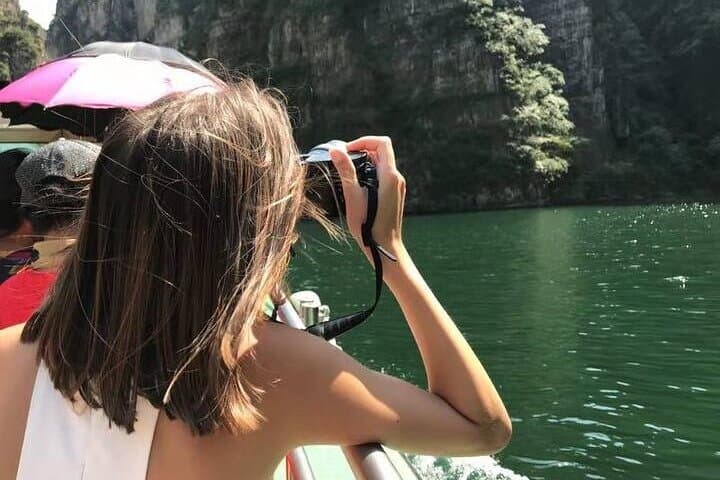
At Longqing Gorge the river dares you to slow down: a 15-minute open-top boat slides beneath towering limestone walls, then a cable car and the yellow, dragon-shaped escalator haul visitors toward a ridge of wind-sculpted panoramas. The gorge’s flooded canyon and sheer rock faces echo other great Chinese river sceneries, condensed into compact, dramatic views.
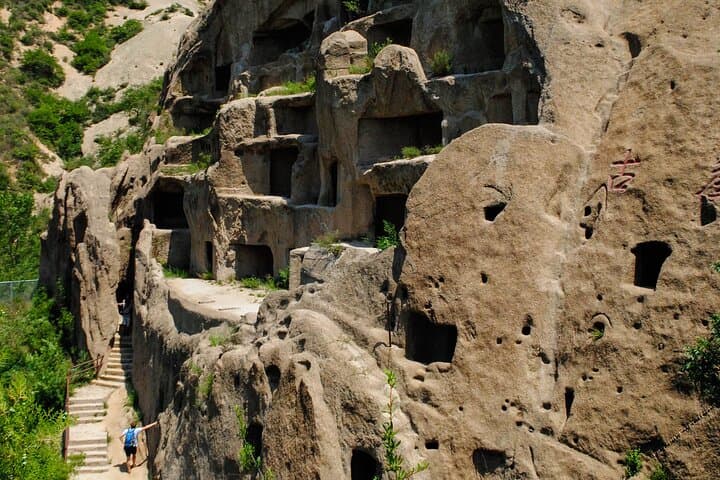
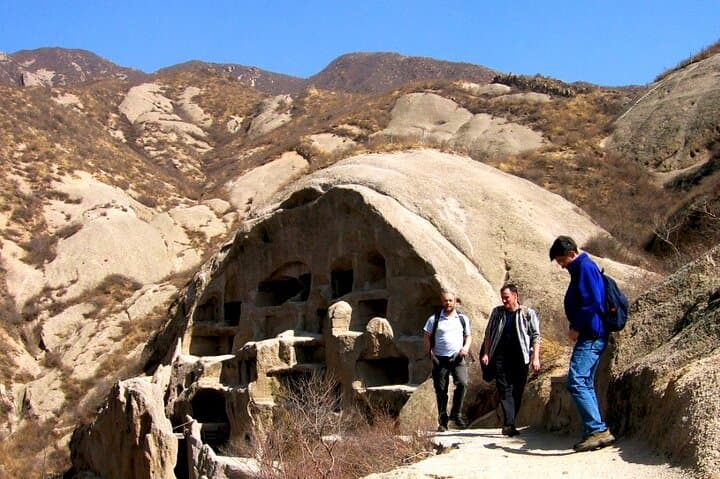
A short drive away, Guyaju’s cave dwellings press into a cliff face—117 caves holding 350 chambers carved by a once-fortified community. Their origins are debated; archaeological evidence suggests ties to people active around the Liao dynasty, leaving a landscape of rooms, narrow passages and a chieftain’s palace cut in stone.
Together the sites offer geology, human history and accessible adventure: karst and fluvial processes shaped the gorge; centuries of rock-cut architecture frame social mystery at Guyaju.
Practical guidance: plan an early start to avoid afternoon crowds and to catch calmer waters for the boat. Wear sturdy shoes—stone steps and uneven cave floors are the norm—and layer for wind at exposed overlooks. Carry water and small change for entrance fees and snacks at village stalls. The private format means the itinerary can be adjusted to pace, but check cable car and boat operating hours seasonally. Bring a camera with a polarizer for glare on the reservoir and respect fragile cave surfaces—touching ancient walls accelerates decay.
moderate.
8–9 hours.
Suitable for travelers in normal health who can handle several hundred meters of walking and stair climbs; not strenuous hiking.
Expect about 1.5–2 hours each way depending on traffic; most itineraries plan an early departure to maximize time on site.
This private tour price often covers guiding and vehicle; confirm whether park admissions, boat rides and cable-car fees are included when booking.
Guyaju contains uneven paths and stone steps; limited accessibility—travelers with significant mobility constraints may find parts of the site difficult.
Boat and cable-car operations can be affected by weather; in winter some services may run reduced hours—check local operating schedules before travel.
Guyaju’s cliff dwellings likely date to people active around the Liao dynasty; their exact origins remain an archaeological mystery.
Visitor pressure can wear ancient surfaces and fragile cliff vegetation; stick to paths, avoid touching carved walls, and pack out litter to help preserve sites.
Encounter China Tours operates guided outdoor trips and adventures with an emphasis on safety, stewardship, and memorable experiences.
Mist lifts from a narrow canyon as the tour vehicle threads northwest out of Beijing, the city’s skyline trading concrete for steeper gray faces and a reservoir that glints between cliffs.
Mist lifts from a narrow canyon as the tour vehicle threads northwest out of Beijing, the city’s skyline trading concrete for steeper gray faces and a reservoir that glints between cliffs.
At Longqing Gorge the river dares you to slow down: a 15-minute open-top boat slides beneath towering limestone walls, then a cable car and the yellow, dragon-shaped escalator haul visitors toward a ridge of wind-sculpted panoramas. The gorge’s flooded canyon and sheer rock faces echo other great Chinese river sceneries, condensed into compact, dramatic views.
A short drive away, Guyaju’s cave dwellings press into a cliff face—117 caves holding 350 chambers carved by a once-fortified community. Their origins are debated; archaeological evidence suggests ties to people active around the Liao dynasty, leaving a landscape of rooms, narrow passages and a chieftain’s palace cut in stone.
Together the sites offer geology, human history and accessible adventure: karst and fluvial processes shaped the gorge; centuries of rock-cut architecture frame social mystery at Guyaju.
Practical guidance: plan an early start to avoid afternoon crowds and to catch calmer waters for the boat. Wear sturdy shoes—stone steps and uneven cave floors are the norm—and layer for wind at exposed overlooks. Carry water and small change for entrance fees and snacks at village stalls. The private format means the itinerary can be adjusted to pace, but check cable car and boat operating hours seasonally. Bring a camera with a polarizer for glare on the reservoir and respect fragile cave surfaces—touching ancient walls accelerates decay.