THE ADVENTURE COLLECTIVE® · Independent discovery and booking for outdoor travel

Step from a Beijing hutong into the hush of Yonghe (Lama) Temple for a short monk blessing, then trace scholarly footsteps at the Temple of Confucius before exploring Wudaoying Hutong. This 2–3 hour private walk mixes ritual, history, and neighborhood life.
Step from a Beijing hutong into the hush of Yonghe (Lama) Temple for a short monk blessing, then trace scholarly footsteps at the Temple of Confucius before exploring Wudaoying Hutong. This 2–3 hour private walk mixes ritual, history, and neighborhood life.
A low morning sun filters through smoke and incense as you step off a narrow Beijing street and into the cool timbered halls of Yonghe (Lama) Temple. The scent of sandalwood clings to carved beams; monks chant in a small side chamber while the guide explains the ritual you are about to witness. The city outside hums, but inside the compound time moves in measured breaths.
Verified experiences and guided adventures in the surrounding area.
Operated by Beijing Tour Guide · Beijing, Beijing
A low morning sun filters through smoke and incense as you step off a narrow Beijing street and into the cool timbered halls of Yonghe (Lama) Temple. The scent of sandalwood clings to carved beams; monks chant in a small side chamber while the guide explains the ritual you are about to witness. The city outside hums, but inside the compound time moves in measured breaths.
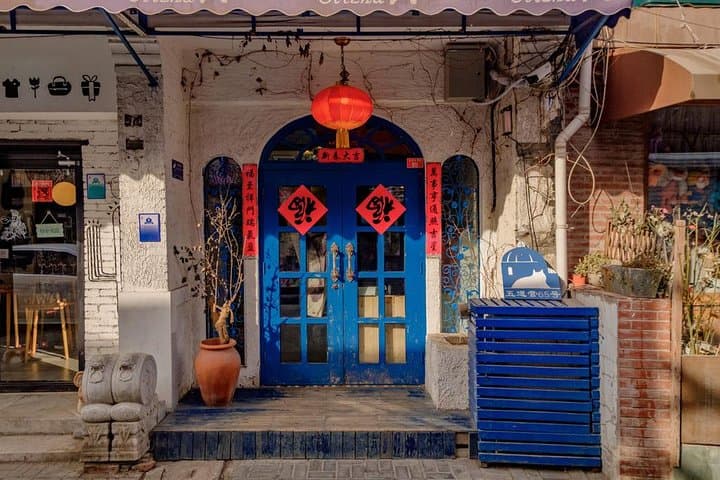
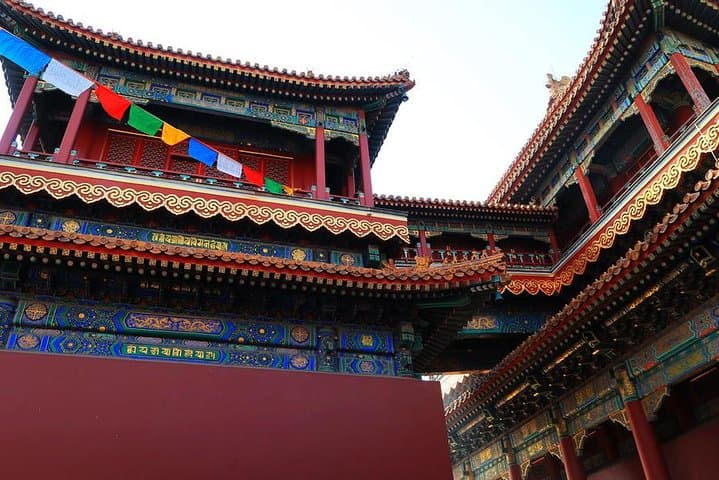
The Lama Temple began as a Qing royal residence in the late 17th century and was converted into a lamasery in the 18th, its halls filled with Tibetan-style statues and lacquered columns. A short walk brings you to the Temple of Confucius and the Imperial College (built 1302), where stone steles and courtyards record centuries of scholarly life and civil-service exams. Wudaoying Hutong closes the loop: renovated alleyways where old brick and grey tiles brush shoulders with cafés and craft shops, offering a living portrait of Beijing’s neighborhood culture.
Expect 2–3 hours of mostly flat walking across paved temple courtyards and narrow hutong lanes. The monk blessing is brief and reverent—participants may offer a bracelet or amulet and should follow the guide’s protocol. Photography rules and modest dress apply inside sacred spaces; temples can be crowded mid-day so mornings are quieter. Wear comfortable shoes, bring water, and carry your passport if you need ticket assistance. The tour is private and adaptable: ask your guide about nearby tea houses or the Imperial College museum for a deeper look at Beijing’s layered history.
moderate.
2–3 hours.
Light to moderate fitness for standing during ceremonies and walking on paved and uneven hutong surfaces
The ceremony is included as an arranged experience; small donations, amulets, or bracelets are paid for by participants if they choose to take part.
The operator lists wheelchair accessibility, but some temple areas have steps—confirm exact access needs when booking so the guide can plan a suitable route.
Children can attend but should be accompanied by an adult and follow the guide’s etiquette instructions during the ritual.
The guide meets you at your hotel or a specified point; the itinerary notes you’ll take a taxi or subway to the Lama Temple at your own cost—plan extra time for Beijing traffic.
Yonghe Temple was converted from a Qing prince’s residence into a lamasery in the 18th century; the nearby Temple of Confucius dates back to 1302 and served as Beijing’s center of learning.
These heritage sites face wear from high visitor numbers and incense smoke; visitors should follow signage, avoid littering, and minimize flash photography to help preserve artifacts.
Beijing Tour Guide operates guided outdoor trips and adventures with an emphasis on safety, stewardship, and memorable experiences.
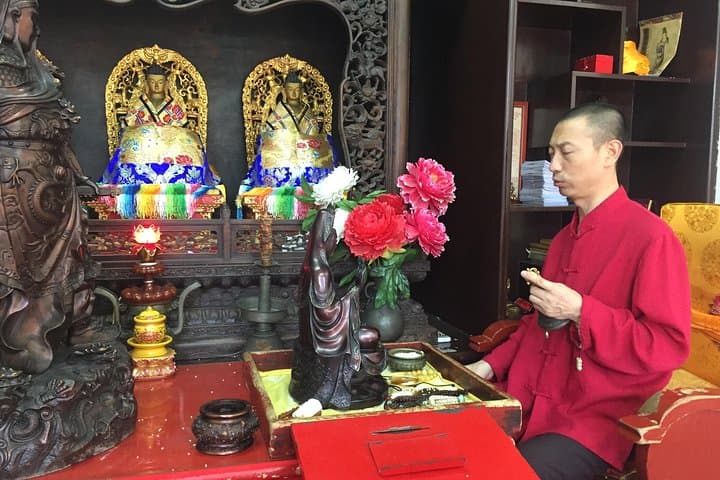
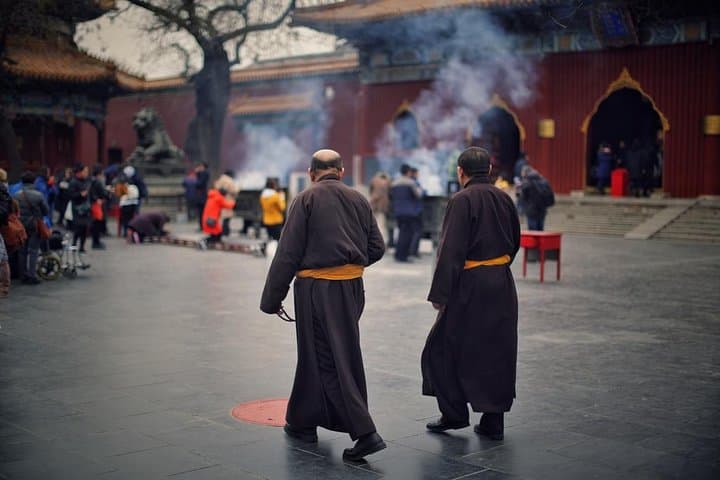
A low morning sun filters through smoke and incense as you step off a narrow Beijing street and into the cool timbered halls of Yonghe (Lama) Temple. The scent of sandalwood clings to carved beams; monks chant in a small side chamber while the guide explains the ritual you are about to witness. The city outside hums, but inside the compound time moves in measured breaths.
A low morning sun filters through smoke and incense as you step off a narrow Beijing street and into the cool timbered halls of Yonghe (Lama) Temple. The scent of sandalwood clings to carved beams; monks chant in a small side chamber while the guide explains the ritual you are about to witness. The city outside hums, but inside the compound time moves in measured breaths.
The Lama Temple began as a Qing royal residence in the late 17th century and was converted into a lamasery in the 18th, its halls filled with Tibetan-style statues and lacquered columns. A short walk brings you to the Temple of Confucius and the Imperial College (built 1302), where stone steles and courtyards record centuries of scholarly life and civil-service exams. Wudaoying Hutong closes the loop: renovated alleyways where old brick and grey tiles brush shoulders with cafés and craft shops, offering a living portrait of Beijing’s neighborhood culture.
Expect 2–3 hours of mostly flat walking across paved temple courtyards and narrow hutong lanes. The monk blessing is brief and reverent—participants may offer a bracelet or amulet and should follow the guide’s protocol. Photography rules and modest dress apply inside sacred spaces; temples can be crowded mid-day so mornings are quieter. Wear comfortable shoes, bring water, and carry your passport if you need ticket assistance. The tour is private and adaptable: ask your guide about nearby tea houses or the Imperial College museum for a deeper look at Beijing’s layered history.