THE ADVENTURE COLLECTIVE® · Independent discovery and booking for outdoor travel

Explore Yonghe Lama Temple, wind through Beijing’s historic hutongs by rickshaw, and learn dumpling-making in a local home. This private day tour combines cultural history, street-level food culture, and easy walking through some of the city's most atmospheric neighborhoods.
Explore Yonghe Lama Temple, wind through Beijing’s historic hutongs by rickshaw, and learn dumpling-making in a local home. This private day tour combines cultural history, street-level food culture, and easy walking through some of the city's most atmospheric neighborhoods.
You step from an air-conditioned car into a courtyard that smells faintly of incense and hot oil. Prayer flags flap against lacquered beams at Yonghe Lama Temple while rickshaw bells tinkle in the narrow alleys beyond. The city hums at the edge of this calm: vendors calling, bicycles threading the hutong veins, and the metallic slap of a wok somewhere nearby.
Verified experiences and guided adventures in the surrounding area.
Operated by Friendly China Heritage Tours · Beijing, Beijing
You step from an air-conditioned car into a courtyard that smells faintly of incense and hot oil. Prayer flags flap against lacquered beams at Yonghe Lama Temple while rickshaw bells tinkle in the narrow alleys beyond. The city hums at the edge of this calm: vendors calling, bicycles threading the hutong veins, and the metallic slap of a wok somewhere nearby.
The Lama Temple dates to the late 17th century Qing dynasty and is one of Beijing’s key Tibetan Buddhist sites; the hutongs you ride through trace their lines back to Yuan- and Ming-era urban planning on the flat North China Plain. Streets like Nanluoguxiang and Yandai Xiejie have evolved from residential lanes into lively strips where old courtyard homes meet contemporary cafes and craft stalls.
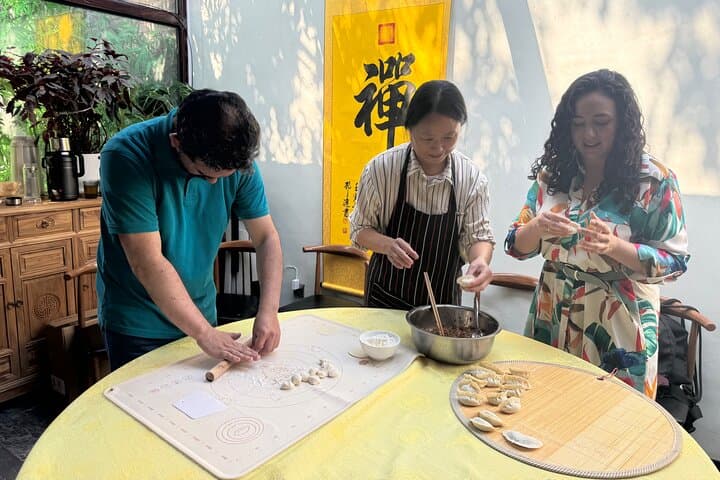
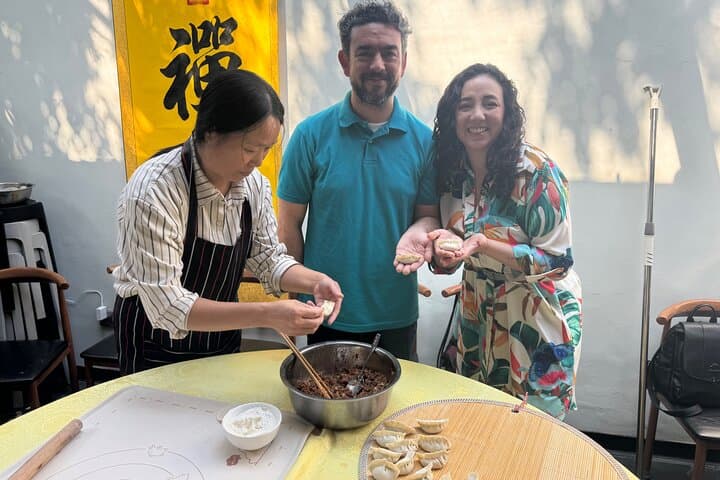
A hands-on dumpling class in a local home gives a practical window into daily life — markets, knife skills, and the rhythm of family cooking. Houhai’s lakeside promenades and bar street add a modern social counterpoint to the day: good for people-watching and a quick rest.
Practical guide: plan for 7–8 hours with steady but gentle walking on flat, often paved surfaces. Wear comfortable shoes and carry a refillable water bottle; expect short vehicle transfers between sites and some narrow alley navigation where crowds gather. Bring small bills for street snacks, have a translation app ready for menus, and leave extra time if you want to linger in tea shops or galleries. The itinerary is wheelchair-accessible in many spots, but older courtyards may include steps — confirm transport and mobility needs at booking.
easy.
7–8 hours.
Suitable for people who can stand and walk intermittently for a full day; minimal elevation change but expect several short walks.
Yes—pickup and drop-off within Beijing’s 5th Ring Road are included; confirm your pickup point when booking.
Yes—hosts can adapt fillings for vegetarian or common allergies if informed in advance via booking questions.
Many sites and transportation options are wheelchair-accessible, but some historic courtyards and alleyways have steps—notify operator ahead for arrangements.
Expect several short walks (10–20 minutes) between sites and a 40-minute rickshaw loop; overall activity level is low with frequent stops.
Yonghe Lama Temple was established in the late 17th century during the Qing dynasty and became a major center for Tibetan Buddhism in Beijing; many hutongs retain layouts dating back to the Yuan era.
Hutong preservation balances tourism and resident life—avoid blocking alleyways, respect private courtyards, and minimize single-use plastics to reduce local impact.
Friendly China Heritage Tours operates guided outdoor trips and adventures with an emphasis on safety, stewardship, and memorable experiences.
You step from an air-conditioned car into a courtyard that smells faintly of incense and hot oil. Prayer flags flap against lacquered beams at Yonghe Lama Temple while rickshaw bells tinkle in the narrow alleys beyond. The city hums at the edge of this calm: vendors calling, bicycles threading the hutong veins, and the metallic slap of a wok somewhere nearby.
You step from an air-conditioned car into a courtyard that smells faintly of incense and hot oil. Prayer flags flap against lacquered beams at Yonghe Lama Temple while rickshaw bells tinkle in the narrow alleys beyond. The city hums at the edge of this calm: vendors calling, bicycles threading the hutong veins, and the metallic slap of a wok somewhere nearby.
The Lama Temple dates to the late 17th century Qing dynasty and is one of Beijing’s key Tibetan Buddhist sites; the hutongs you ride through trace their lines back to Yuan- and Ming-era urban planning on the flat North China Plain. Streets like Nanluoguxiang and Yandai Xiejie have evolved from residential lanes into lively strips where old courtyard homes meet contemporary cafes and craft stalls.
A hands-on dumpling class in a local home gives a practical window into daily life — markets, knife skills, and the rhythm of family cooking. Houhai’s lakeside promenades and bar street add a modern social counterpoint to the day: good for people-watching and a quick rest.
Practical guide: plan for 7–8 hours with steady but gentle walking on flat, often paved surfaces. Wear comfortable shoes and carry a refillable water bottle; expect short vehicle transfers between sites and some narrow alley navigation where crowds gather. Bring small bills for street snacks, have a translation app ready for menus, and leave extra time if you want to linger in tea shops or galleries. The itinerary is wheelchair-accessible in many spots, but older courtyards may include steps — confirm transport and mobility needs at booking.