THE ADVENTURE COLLECTIVE® · Independent discovery and booking for outdoor travel

Transfer from Tianjin Cruise Port to Beijing, then spend a full day exploring Tiananmen and the Forbidden City before climbing the restored Mutianyu section of the Great Wall. This two-day arrangement mixes imperial history with panoramic hiking and straightforward logistics.
Transfer from Tianjin Cruise Port to Beijing, then spend a full day exploring Tiananmen and the Forbidden City before climbing the restored Mutianyu section of the Great Wall. This two-day arrangement mixes imperial history with panoramic hiking and straightforward logistics.
You step off the gangway at Tianjin Cruise Port and into a private transfer that hums toward Beijing — highway edges and iron-clad suburbs sliding past as the city’s skyline blooms on the horizon.
Verified experiences and guided adventures in the surrounding area.
Operated by China Pleasure Tour Co,. Ltd. · Beijing, Beijing
You step off the gangway at Tianjin Cruise Port and into a private transfer that hums toward Beijing — highway edges and iron-clad suburbs sliding past as the city’s skyline blooms on the horizon.
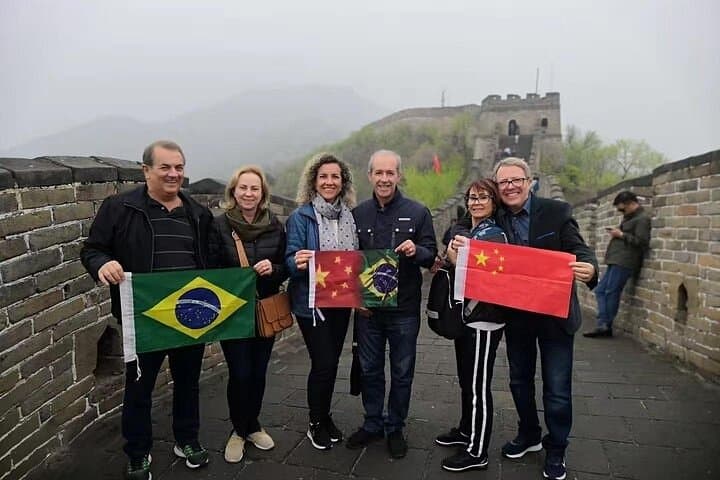
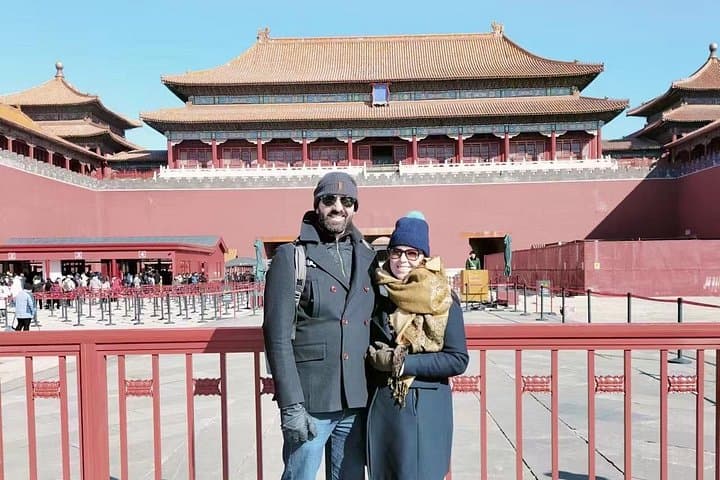
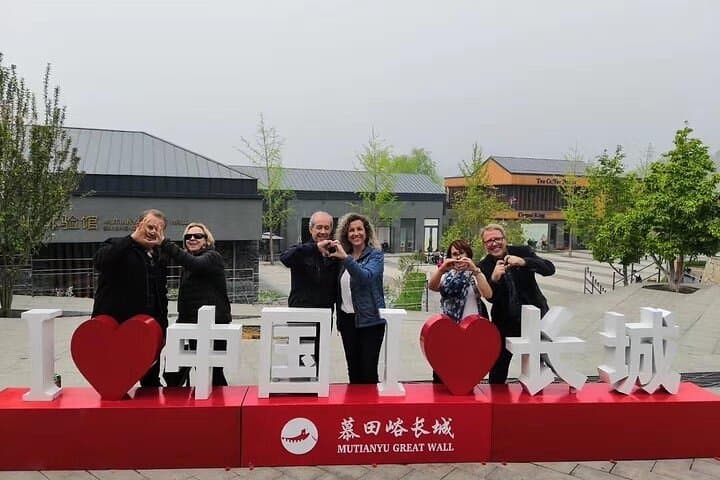
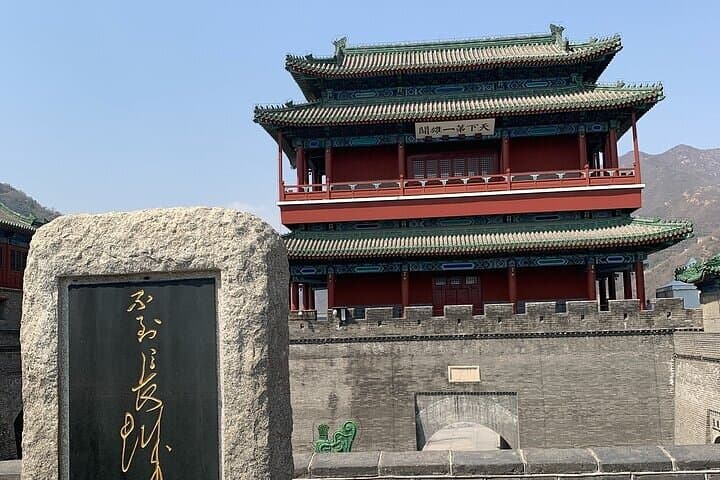
Daylight in Beijing shifts fast: the Forbidden City’s vast courtyards open like pages of imperial history, red lacquer and carved roofs that held emperors for centuries. The Great Wall at Mutianyu trades palace scale for vertical presence — a restored, crenelated ribbon climbing ridgelines, stone steps surprising your calves and views that push outward over forested hills.
Historically the Forbidden City (completed in the early 15th century) was the Ming and Qing dynasties’ political heart; Mutianyu guarded approaches to the capital and today showcases Ming-era stonework rebuilt in the 20th century. Geologically, the Mutianyu ridge is granitic outcrop capped by weathered blocks that the wall follows; nearby plains around Tianjin give way quickly to those hills.
Culturally the route threads modern port logistics, Beijing’s civic center at Tiananmen Square, and rural-turned-tourist Great Wall villages — expect local vendors, restored sections with watchtowers, and a steady stream of national and international visitors.
Practical guidance: allow 2–3 hours driving time from Tianjin Cruise Port to central Beijing depending on traffic, wear footwear with good traction for steep steps at Mutianyu, and bring layered clothing for temperature shifts between city courtyards and exposed wall ridgelines. Carry water and a portable charger; entrance fees and lunch are included, but bring small cash for souvenirs and optional cable car or toboggan rides at Mutianyu.
moderate.
2 days (approx. 48 hours).
Suitable for most travelers who can climb stairs and walk uneven stone surfaces for 1–3 hours.
Typical driving time is about 2–3 hours depending on traffic and port processing; allow buffer time for disembarkation.
Yes — the tour indicates entrance fees for the Forbidden City and Mutianyu are included in the itinerary.
Mutianyu has restored but steep stone steps and uneven terrain; it’s manageable for most visitors but involves repeated climbs.
Lunch is included on the Beijing sightseeing day; bring small cash for extra snacks or optional rides at Mutianyu.
The Forbidden City served as China’s imperial palace from 1420 to 1912; Mutianyu’s current restored sections replicate Ming-era defensive stonework along strategic ridgelines.
Increased visitation has required managed access and restoration at Mutianyu; stick to marked paths, avoid littering, and support local conservation fees where charged.
China Pleasure Tour Co,. Ltd. operates guided outdoor trips and adventures with an emphasis on safety, stewardship, and memorable experiences.
You step off the gangway at Tianjin Cruise Port and into a private transfer that hums toward Beijing — highway edges and iron-clad suburbs sliding past as the city’s skyline blooms on the horizon.
You step off the gangway at Tianjin Cruise Port and into a private transfer that hums toward Beijing — highway edges and iron-clad suburbs sliding past as the city’s skyline blooms on the horizon.
Daylight in Beijing shifts fast: the Forbidden City’s vast courtyards open like pages of imperial history, red lacquer and carved roofs that held emperors for centuries. The Great Wall at Mutianyu trades palace scale for vertical presence — a restored, crenelated ribbon climbing ridgelines, stone steps surprising your calves and views that push outward over forested hills.
Historically the Forbidden City (completed in the early 15th century) was the Ming and Qing dynasties’ political heart; Mutianyu guarded approaches to the capital and today showcases Ming-era stonework rebuilt in the 20th century. Geologically, the Mutianyu ridge is granitic outcrop capped by weathered blocks that the wall follows; nearby plains around Tianjin give way quickly to those hills.
Culturally the route threads modern port logistics, Beijing’s civic center at Tiananmen Square, and rural-turned-tourist Great Wall villages — expect local vendors, restored sections with watchtowers, and a steady stream of national and international visitors.
Practical guidance: allow 2–3 hours driving time from Tianjin Cruise Port to central Beijing depending on traffic, wear footwear with good traction for steep steps at Mutianyu, and bring layered clothing for temperature shifts between city courtyards and exposed wall ridgelines. Carry water and a portable charger; entrance fees and lunch are included, but bring small cash for souvenirs and optional cable car or toboggan rides at Mutianyu.