THE ADVENTURE COLLECTIVE® · Independent discovery and booking for outdoor travel

Walk the historic hutongs of Beijing with a private guide and taste classic northern snacks plus an optional ‘bizarre’ selection. In three hours you’ll sample Jianbing, baozi, tanghulu and local specialties while learning the neighborhood’s food history and practical tips for safe, respectful tasting.
Walk the historic hutongs of Beijing with a private guide and taste classic northern snacks plus an optional ‘bizarre’ selection. In three hours you’ll sample Jianbing, baozi, tanghulu and local specialties while learning the neighborhood’s food history and practical tips for safe, respectful tasting.
Steam from a Jianbing griddle curls through a narrow hutong as your private guide steers you under a red lantern. The alley breathes: bicycle bells chime, vendors call out, and skewers hiss over charcoal. Within three hours you move like a local—sampling sesame bread, baozi, tanghulu and a shot of baijiu that dares you to keep pace.
Verified experiences and guided adventures in the surrounding area.
Operated by Unique Beijing Tours · Beijing, Beijing
Steam from a Jianbing griddle curls through a narrow hutong as your private guide steers you under a red lantern. The alley breathes: bicycle bells chime, vendors call out, and skewers hiss over charcoal. Within three hours you move like a local—sampling sesame bread, baozi, tanghulu and a shot of baijiu that dares you to keep pace.
Hutongs date to the Yuan and Ming dynasties and trace a street-grid born of imperial planning; the neighborhoods themselves sit on the flat North China Plain, so expect easy walking rather than steep climbs. The food reflects Beijing’s crossroads — northern wheat cakes, Shanxi noodles, spicy Hunan pockets and Muslim-style skewers — revealing culinary threads stitched by trade and migration.
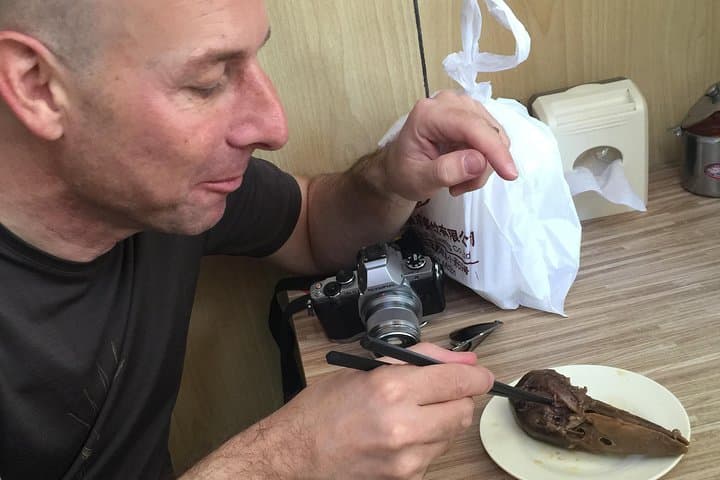
Culturally, the tour is as much about ritual as flavor: morning bao is communal, tanghulu is a festival bite, and a courtyard teahouse can slow the rhythm. For adventurous eaters the bizarre-option introduces century eggs, duck’s blood tofu and more — strong flavors that test expectations and etiquette.
Practical guidance: wear comfortable, closed-toe shoes and bring small bills for extra snacks. Tell your guide about allergies and choose the vegetarian route if needed. The route is largely flat and wheelchair accessible, but alley surfaces can be uneven or crowded at peak times. Plan for three hours and leave room in your stomach for multiple stops.
This is a private, weather-proof walk; pack a light layer in winter and sun protection in summer. Move deliberately, taste widely, and let the hutong’s tempo dictate the day.
easy.
3 hours.
Light activity: suited to most fitness levels; requires walking on flat, sometimes uneven alleys for several hours.
Vendors serving the bizarre option are experienced with these local foods; if you have concerns, discuss preparation and sourcing with your guide before tasting.
Yes — the operator offers vegetarian options and can avoid pork or certain ingredients if provided notice at booking.
Many hutong routes and stops are accessible, but alley widths and surfaces vary — advise the operator at booking so they can confirm specific accessibility accommodations.
Tipping practices vary — modest gratuities are appreciated for private, personalized service; cash is easiest.
Hutongs originated during imperial Beijing as narrow lanes around siheyuan courtyard homes and reflect the city’s Ming–Qing urban plan.
Support small vendors by buying responsibly, avoid single-use plastics, and follow the guide’s advice to minimize crowding and waste in narrow alleys.
Unique Beijing Tours operates guided outdoor trips and adventures with an emphasis on safety, stewardship, and memorable experiences.
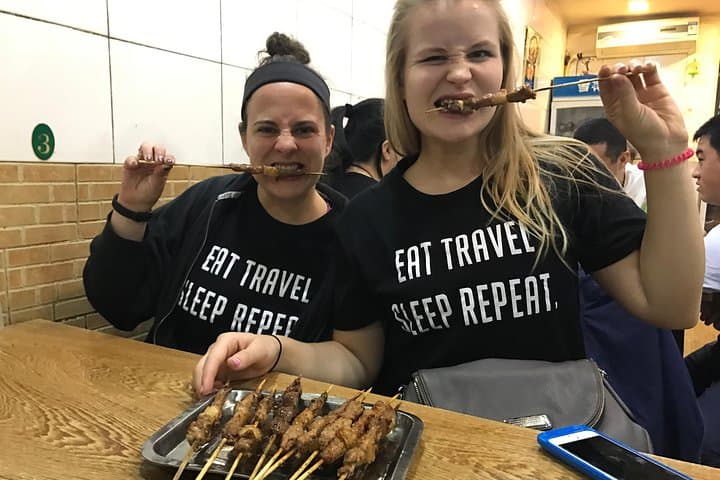
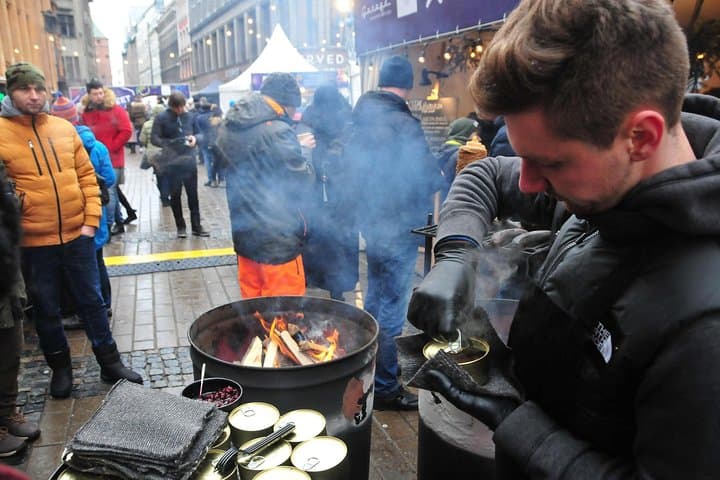
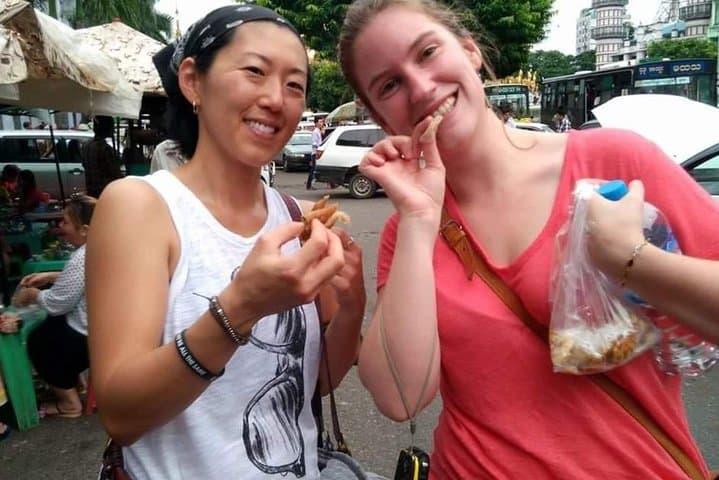
Steam from a Jianbing griddle curls through a narrow hutong as your private guide steers you under a red lantern. The alley breathes: bicycle bells chime, vendors call out, and skewers hiss over charcoal. Within three hours you move like a local—sampling sesame bread, baozi, tanghulu and a shot of baijiu that dares you to keep pace.
Steam from a Jianbing griddle curls through a narrow hutong as your private guide steers you under a red lantern. The alley breathes: bicycle bells chime, vendors call out, and skewers hiss over charcoal. Within three hours you move like a local—sampling sesame bread, baozi, tanghulu and a shot of baijiu that dares you to keep pace.
Hutongs date to the Yuan and Ming dynasties and trace a street-grid born of imperial planning; the neighborhoods themselves sit on the flat North China Plain, so expect easy walking rather than steep climbs. The food reflects Beijing’s crossroads — northern wheat cakes, Shanxi noodles, spicy Hunan pockets and Muslim-style skewers — revealing culinary threads stitched by trade and migration.
Culturally, the tour is as much about ritual as flavor: morning bao is communal, tanghulu is a festival bite, and a courtyard teahouse can slow the rhythm. For adventurous eaters the bizarre-option introduces century eggs, duck’s blood tofu and more — strong flavors that test expectations and etiquette.
Practical guidance: wear comfortable, closed-toe shoes and bring small bills for extra snacks. Tell your guide about allergies and choose the vegetarian route if needed. The route is largely flat and wheelchair accessible, but alley surfaces can be uneven or crowded at peak times. Plan for three hours and leave room in your stomach for multiple stops.
This is a private, weather-proof walk; pack a light layer in winter and sun protection in summer. Move deliberately, taste widely, and let the hutong’s tempo dictate the day.