THE ADVENTURE COLLECTIVE® · Independent discovery and booking for outdoor travel

Walk the hutongs on a 4‑hour eating gauntlet that pairs history with daring local flavors — from fermented douzhi to pig brain. This guided tasting tour is tailored for adventurous eaters ready to learn how Beijingers eat.
Walk the hutongs on a 4‑hour eating gauntlet that pairs history with daring local flavors — from fermented douzhi to pig brain. This guided tasting tour is tailored for adventurous eaters ready to learn how Beijingers eat.
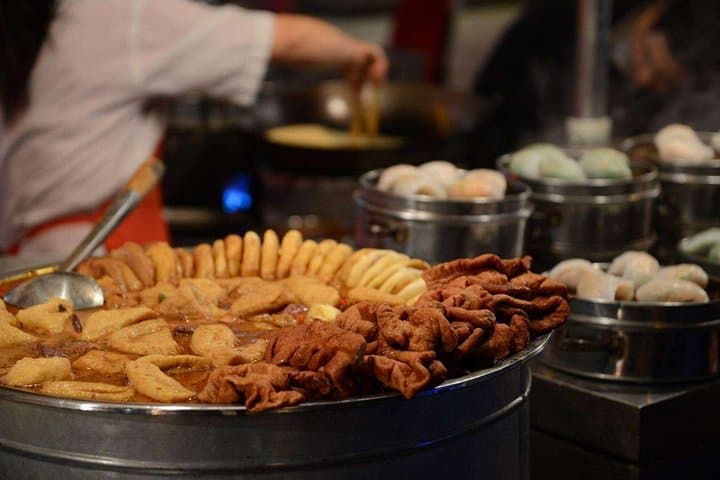
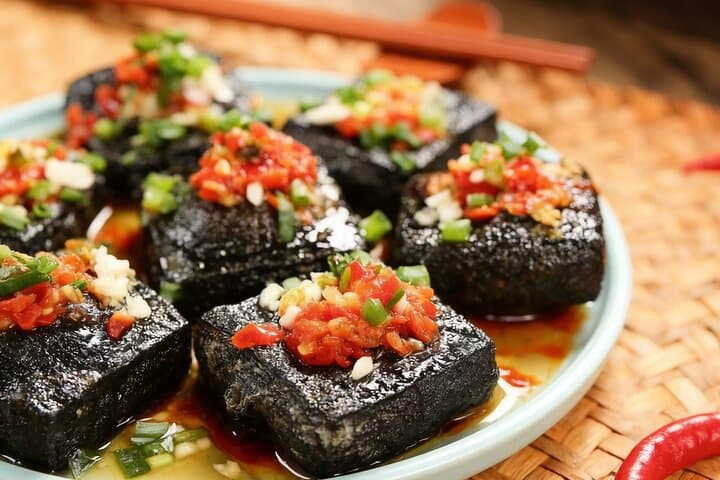
The hutong alleys close in and open like pages of an old book: steam from a cart, the sharp sour of fermented douzhi, a guide urging you toward the next bite. In four hours you move on foot through narrow lanes of central Beijing, pulling flavors into focus—Imperial echoes next to street-side grills, each dish daring you to decide how local you want to be.
Verified experiences and guided adventures in the surrounding area.
Operated by Unique Beijing Tours · Beijing, Beijing
The hutong alleys close in and open like pages of an old book: steam from a cart, the sharp sour of fermented douzhi, a guide urging you toward the next bite. In four hours you move on foot through narrow lanes of central Beijing, pulling flavors into focus—Imperial echoes next to street-side grills, each dish daring you to decide how local you want to be.
Hutongs are relics of Ming- and Qing-era urban planning built on the flat North China Plain, where streets run in a grid and food culture grew from imperial kitchens to common courtyards. The tour stitches cultural context to each sample: douzhi as a regional marker, century eggs and pork lung soup tracing culinary links to Beijing's historic palace cuisine, and strong niu er liquor that carries old-school potency.
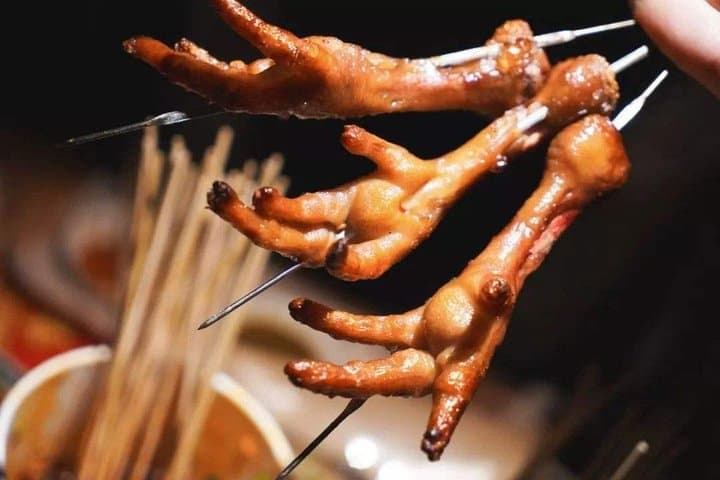
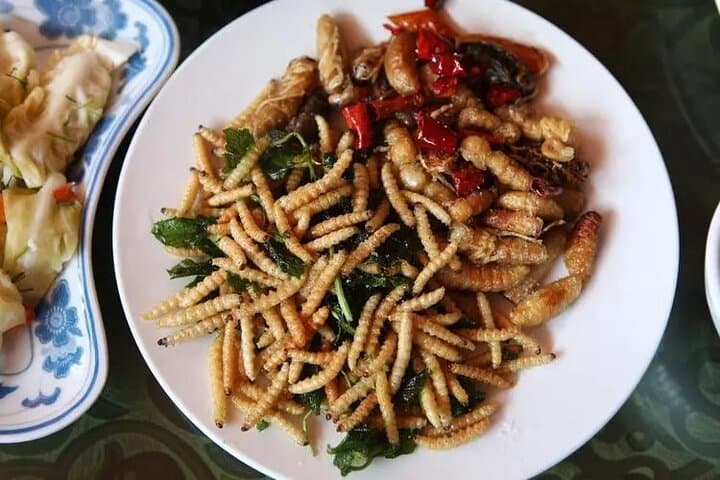
Expect alleyway stalls, tiny family-run eateries, and a mix of familiar and offal-based dishes—pig brain, duck tongue, bovine testes—offered with matter-of-fact local pride. The walk is easy on terrain but intense on taste: pace portions, sip water between samples, and use the guide to read menus and negotiate portions.
Practical notes: meet your guide in your city-center hotel lobby; taxis between points are typically self-paid. Cash is handy for small vendors, and bring wet wipes and antacid if you have a sensitive stomach. The experience runs rain or shine; dress in breathable layers for summer heat and winter cold. For adventurous eaters, this is a compact, sensory tour that shows how Beijing's history, resourcefulness, and neighborhood life get served on a plate.
easy.
4 hours.
Suitable for all fitness levels; participants should be comfortable walking 1–3 miles on flat, uneven alley surfaces
The meeting point is your Beijing city-center hotel lobby; transfers between tasting stops are typically by taxi at your own cost.
Vegetarian options are not guaranteed—this particular challenge focuses on local specialty items including offal; notify the operator during booking for alternatives.
Children under 4 may join free, but many dishes are strong-flavored or contain alcohol; children should be accompanied and menu choices adjusted accordingly.
Inform the operator of allergies when booking and remind your guide before the tour so they can avoid or substitute items where possible.
Hutongs date back to Yuan–Ming dynasties and formed the social grain of old Beijing; many street foods evolved from imperial kitchens and court recipes adapted for common tables.
Support small vendors by minimizing single-use packaging and avoiding food waste; respect private courtyards and follow your guide’s direction to limit impact.
Unique Beijing Tours operates guided outdoor trips and adventures with an emphasis on safety, stewardship, and memorable experiences.
The hutong alleys close in and open like pages of an old book: steam from a cart, the sharp sour of fermented douzhi, a guide urging you toward the next bite. In four hours you move on foot through narrow lanes of central Beijing, pulling flavors into focus—Imperial echoes next to street-side grills, each dish daring you to decide how local you want to be.
The hutong alleys close in and open like pages of an old book: steam from a cart, the sharp sour of fermented douzhi, a guide urging you toward the next bite. In four hours you move on foot through narrow lanes of central Beijing, pulling flavors into focus—Imperial echoes next to street-side grills, each dish daring you to decide how local you want to be.
Hutongs are relics of Ming- and Qing-era urban planning built on the flat North China Plain, where streets run in a grid and food culture grew from imperial kitchens to common courtyards. The tour stitches cultural context to each sample: douzhi as a regional marker, century eggs and pork lung soup tracing culinary links to Beijing's historic palace cuisine, and strong niu er liquor that carries old-school potency.
Expect alleyway stalls, tiny family-run eateries, and a mix of familiar and offal-based dishes—pig brain, duck tongue, bovine testes—offered with matter-of-fact local pride. The walk is easy on terrain but intense on taste: pace portions, sip water between samples, and use the guide to read menus and negotiate portions.
Practical notes: meet your guide in your city-center hotel lobby; taxis between points are typically self-paid. Cash is handy for small vendors, and bring wet wipes and antacid if you have a sensitive stomach. The experience runs rain or shine; dress in breathable layers for summer heat and winter cold. For adventurous eaters, this is a compact, sensory tour that shows how Beijing's history, resourcefulness, and neighborhood life get served on a plate.