THE ADVENTURE COLLECTIVE® · Independent discovery and booking for outdoor travel

Explore Beijing’s night market scene with a guide who uncovers antiques, retro finds, and three local snacks. This three‑hour walking tour blends bargaining, tasting, and local stories in a lively after‑dark setting.
Explore Beijing’s night market scene with a guide who uncovers antiques, retro finds, and three local snacks. This three‑hour walking tour blends bargaining, tasting, and local stories in a lively after‑dark setting.
The air thickens with the smell of frying dough and incense as dusk slides over Beijing’s eastern districts. Streetlamps blink on and the market’s stalls transform: lacquered frames, yellowed calligraphy, and rows of tiny ceramic guardians stare back from under tarps. Your guide steers you through laneways where sellers call out bargains and the city’s layered history feels tactile in the hands—old coins warm from a vendor’s palm, handwritten letters folded like maps to the past.
Verified experiences and guided adventures in the surrounding area.
Operated by Breeze Travel · Beijing, Beijing
The air thickens with the smell of frying dough and incense as dusk slides over Beijing’s eastern districts. Streetlamps blink on and the market’s stalls transform: lacquered frames, yellowed calligraphy, and rows of tiny ceramic guardians stare back from under tarps. Your guide steers you through laneways where sellers call out bargains and the city’s layered history feels tactile in the hands—old coins warm from a vendor’s palm, handwritten letters folded like maps to the past.
This market grew from post‑war flea bazaars into one of Beijing’s best places to find antiques, repurposed objects, and retro ephemera—part informal museum, part social marketplace. The site sits on the gentle alluvial plain east of central Beijing, where urban growth has pressed against older crafts and trading traditions. Cultural exchange is the constant: collectors, students, and elderly dealers swap stories while new generations turn relics into wearable art.
Expect three hours of mostly flat walking through crowded aisles, with structured stops for sampling three local snacks and a classic drink. The guide translates, points out collectible categories—calligraphy, Cultural Revolution memorabilia, carved wood—and helps with bargaining. It’s accessible for most fitness levels and wheelchair friendly, but narrow paths and evening crowds mean patience pays.
Practical tips: bring small bills for purchases, wear comfortable shoes, keep a charged phone for photos and contact, and plan for a late‑evening pickup. Respect items on display—ask before touching—and use the guide’s local knowledge to separate genuine finds from clever reproductions. This is a hunt: curious, social, and rooted in Beijing’s living street economy.
easy.
3 hours.
Light walking; suitable for most abilities, including stroller and wheelchair users with some assistance
Yes—this private tour includes hotel pickup and drop-off by air‑conditioned vehicle at the arranged location.
Yes—guides introduce items, translate, and assist with negotiating prices at stalls.
The tour lists wheelchair and stroller accessibility, but some aisles may be narrow; inform the operator about mobility needs when booking.
The tour provides three local snacks and a drink; inform the operator of allergies or dietary restrictions ahead of time to accommodate alternatives.
The market evolved from mid‑20th century flea trading into a prominent antique and handicraft bazaar, reflecting Beijing’s blend of old artisans and modern collectors.
Buy thoughtfully—many items are reproductions; favor sustainably made crafts and avoid purchasing culturally sensitive artifacts to support ethical tourism.
Breeze Travel operates guided outdoor trips and adventures with an emphasis on safety, stewardship, and memorable experiences.
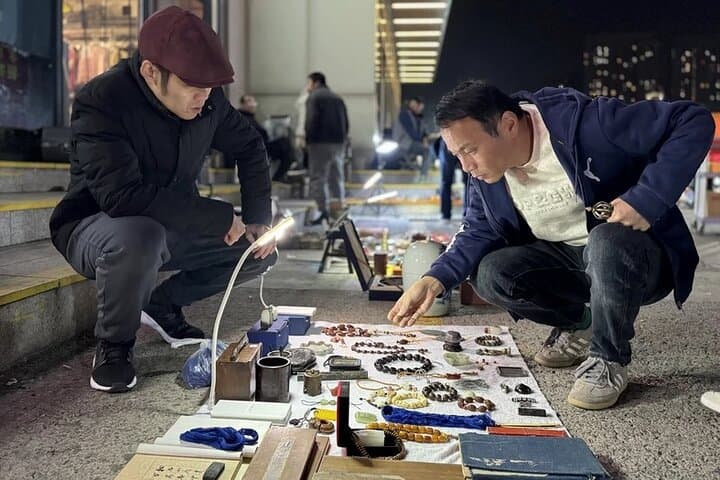


The air thickens with the smell of frying dough and incense as dusk slides over Beijing’s eastern districts. Streetlamps blink on and the market’s stalls transform: lacquered frames, yellowed calligraphy, and rows of tiny ceramic guardians stare back from under tarps. Your guide steers you through laneways where sellers call out bargains and the city’s layered history feels tactile in the hands—old coins warm from a vendor’s palm, handwritten letters folded like maps to the past.
The air thickens with the smell of frying dough and incense as dusk slides over Beijing’s eastern districts. Streetlamps blink on and the market’s stalls transform: lacquered frames, yellowed calligraphy, and rows of tiny ceramic guardians stare back from under tarps. Your guide steers you through laneways where sellers call out bargains and the city’s layered history feels tactile in the hands—old coins warm from a vendor’s palm, handwritten letters folded like maps to the past.
This market grew from post‑war flea bazaars into one of Beijing’s best places to find antiques, repurposed objects, and retro ephemera—part informal museum, part social marketplace. The site sits on the gentle alluvial plain east of central Beijing, where urban growth has pressed against older crafts and trading traditions. Cultural exchange is the constant: collectors, students, and elderly dealers swap stories while new generations turn relics into wearable art.
Expect three hours of mostly flat walking through crowded aisles, with structured stops for sampling three local snacks and a classic drink. The guide translates, points out collectible categories—calligraphy, Cultural Revolution memorabilia, carved wood—and helps with bargaining. It’s accessible for most fitness levels and wheelchair friendly, but narrow paths and evening crowds mean patience pays.
Practical tips: bring small bills for purchases, wear comfortable shoes, keep a charged phone for photos and contact, and plan for a late‑evening pickup. Respect items on display—ask before touching—and use the guide’s local knowledge to separate genuine finds from clever reproductions. This is a hunt: curious, social, and rooted in Beijing’s living street economy.