THE ADVENTURE COLLECTIVE® · Independent discovery and booking for outdoor travel

A concentrated, guided day that connects Tiananmen Square, the Forbidden City, Temple of Heaven and a historic hutong walk. Ideal for first-time visitors who want efficient logistics and context-rich interpretation.
A concentrated, guided day that connects Tiananmen Square, the Forbidden City, Temple of Heaven and a historic hutong walk. Ideal for first-time visitors who want efficient logistics and context-rich interpretation.
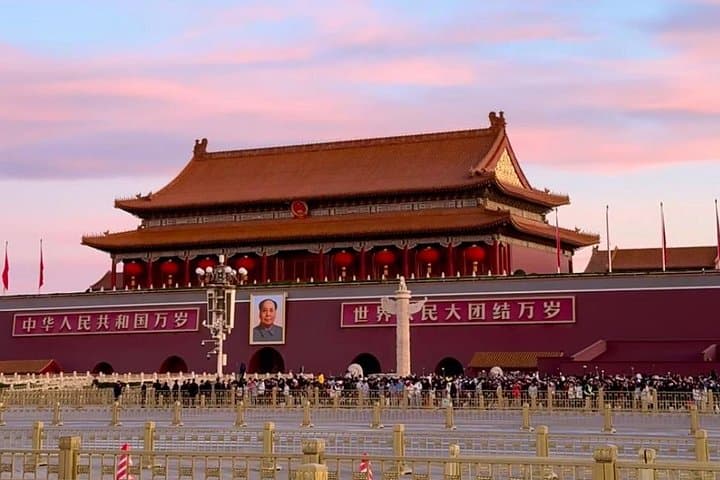
Morning light hits Tiananmen Square and you move through a city that carries five centuries of imperial ceremony in its stones.
Verified experiences and guided adventures in the surrounding area.
Operated by Mickey Travel · Beijing, Beijing
Morning light hits Tiananmen Square and you move through a city that carries five centuries of imperial ceremony in its stones.
This full-day guided route links the vast public geometry of Tiananmen with the Palace Museum’s courtyards, the ritual terraces of the Temple of Heaven, and a stroll down Nanluoguxiang’s narrow hutongs. The sequence is designed to show Beijing’s layered identity: imperial power, religious rite, and neighborhood life.
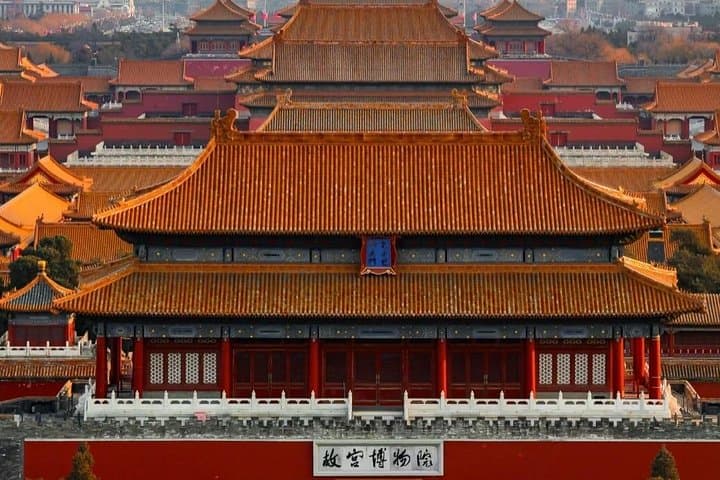
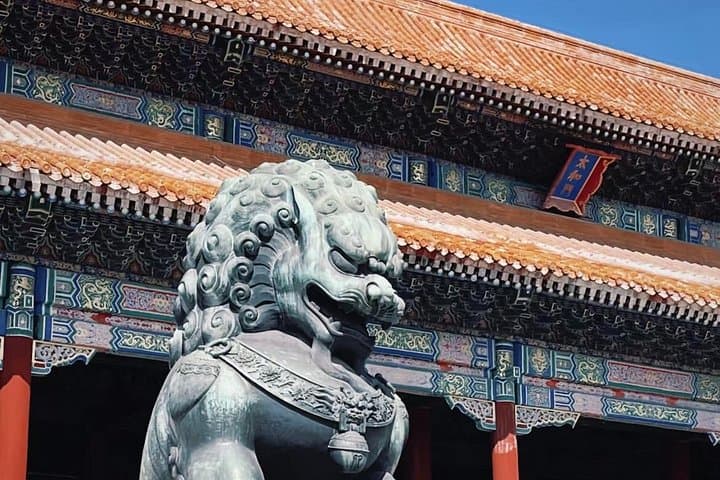
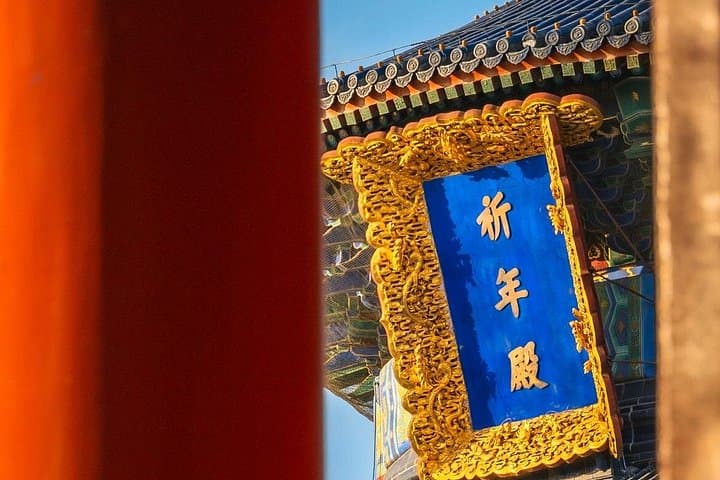
The Palace Museum (Forbidden City) was built between 1406 and 1420 and was the political heart of the Ming and Qing dynasties. The Temple of Heaven, completed in the same era, organizes space around cosmology and harvest rites, while nearby hutongs date to the Yuan and Ming periods and still host small shops and courtyards. Together these sites reveal the city’s planning logic—axial symmetry, ritual thresholds, and public squares used for ceremony and daily life.
Expect long paved walks between monuments, crowds at ticketed entrances, and a pace set by group logistics. The guide will handle admissions and navigation; visitors should be ready to stand during explanations and move between sites by minivan when required. Bring water, comfortable shoes, and a compact daypack; dress in layers for Beijing’s variable weather. Aim for an early start to avoid peak heat or the biggest tour crowds, and allow extra time if you want to linger at Jingshan Park for an elevated view of the palace roofs.
This tour balances close-up cultural detail with practical transport, offering a concentrated introduction for first-time visitors seeking historical context and efficient logistics.
easy.
7–8 hours.
Suitable for most fitness levels; should be able to walk 3–5 miles over the day and stand for guided comments.
Yes—entrance to the Forbidden City and Temple of Heaven are included as specified in the itinerary; the guide handles ticketing.
Pickup and drop-off are offered for hotels within Beijing’s 3rd Ring Road; confirm your pickup point when booking.
If Palace Museum tickets are unavailable, the itinerary substitutes Prince Gong’s Mansion or the Lama Temple so you still get a culturally rich day.
The tour notes stroller accessibility for infants and small children, but expect stairs and crowds inside major sites.
The Forbidden City served as the imperial palace from 1420 until the early 20th century, housing Ming and Qing emperors and evolving into the Palace Museum after 1925.
The Palace Museum operates strict visitor limits and conservation rules—follow signage, avoid touching artifacts, and use marked paths to protect wooden structures and painted surfaces.
Mickey Travel operates guided outdoor trips and adventures with an emphasis on safety, stewardship, and memorable experiences.
Morning light hits Tiananmen Square and you move through a city that carries five centuries of imperial ceremony in its stones.
Morning light hits Tiananmen Square and you move through a city that carries five centuries of imperial ceremony in its stones.
This full-day guided route links the vast public geometry of Tiananmen with the Palace Museum’s courtyards, the ritual terraces of the Temple of Heaven, and a stroll down Nanluoguxiang’s narrow hutongs. The sequence is designed to show Beijing’s layered identity: imperial power, religious rite, and neighborhood life.
The Palace Museum (Forbidden City) was built between 1406 and 1420 and was the political heart of the Ming and Qing dynasties. The Temple of Heaven, completed in the same era, organizes space around cosmology and harvest rites, while nearby hutongs date to the Yuan and Ming periods and still host small shops and courtyards. Together these sites reveal the city’s planning logic—axial symmetry, ritual thresholds, and public squares used for ceremony and daily life.
Expect long paved walks between monuments, crowds at ticketed entrances, and a pace set by group logistics. The guide will handle admissions and navigation; visitors should be ready to stand during explanations and move between sites by minivan when required. Bring water, comfortable shoes, and a compact daypack; dress in layers for Beijing’s variable weather. Aim for an early start to avoid peak heat or the biggest tour crowds, and allow extra time if you want to linger at Jingshan Park for an elevated view of the palace roofs.
This tour balances close-up cultural detail with practical transport, offering a concentrated introduction for first-time visitors seeking historical context and efficient logistics.