THE ADVENTURE COLLECTIVE® · Independent discovery and booking for outdoor travel

See Badaling’s ramparts from the air and walk its stone spine in a single day. This one‑day tour pairs a 15‑minute helicopter panorama with a guided hike on the Ming-era sections of the Great Wall—ideal for photographers and travelers short on time.
See Badaling’s ramparts from the air and walk its stone spine in a single day. This one‑day tour pairs a 15‑minute helicopter panorama with a guided hike on the Ming-era sections of the Great Wall—ideal for photographers and travelers short on time.
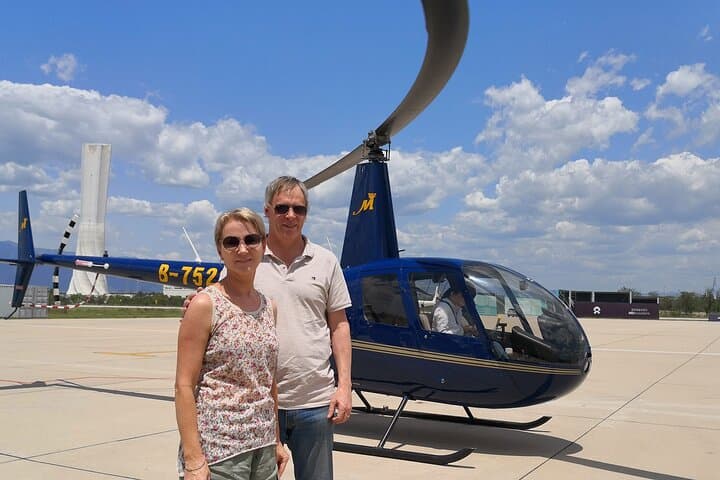
The rotorwash settles and Beijing falls away into a patchwork of fields and foothills as the helicopter eases over Badaling. From the cabin, the Wall winds like an ancient spine across ridgelines; watchtowers punctuate the horizon and the wind seems to push you forward toward the stone. After a 15‑minute low-altitude circuit that lays the whole Badaling sector bare, the tour sets you down for a guided hike on the very ramparts you observed from above.
Verified experiences and guided adventures in the surrounding area.
Operated by Travel China Guide · Beijing, Beijing
The rotorwash settles and Beijing falls away into a patchwork of fields and foothills as the helicopter eases over Badaling. From the cabin, the Wall winds like an ancient spine across ridgelines; watchtowers punctuate the horizon and the wind seems to push you forward toward the stone. After a 15‑minute low-altitude circuit that lays the whole Badaling sector bare, the tour sets you down for a guided hike on the very ramparts you observed from above.
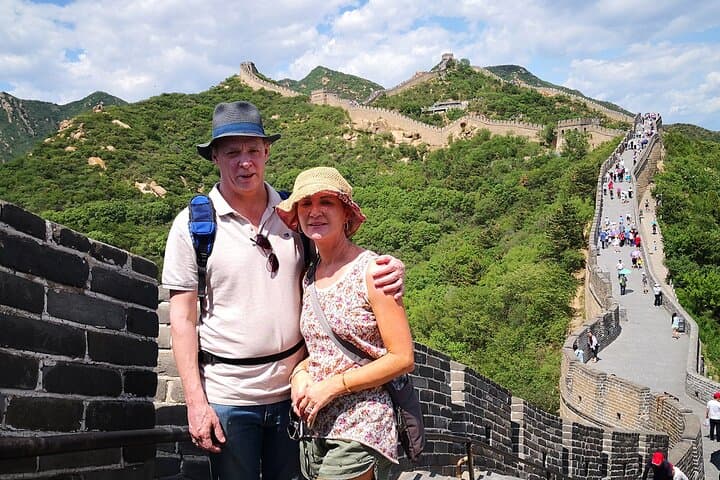
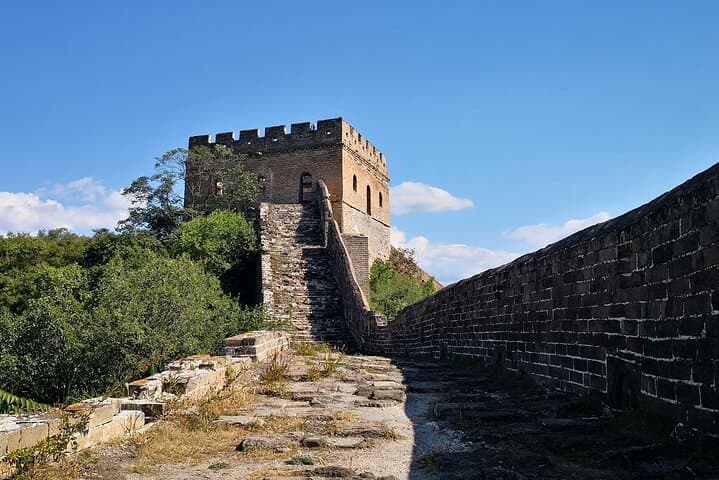
Badaling is a Ming‑era reconstruction sitting on older fortifications and was restored and opened widely to visitors in the 20th century. Geologically, the line follows hard sandstone ridges that force elevation changes into steep flights of steps and short, exposed crests. Culturally the Wall is as much a marker of imperial logistics as of modern Chinese identity—stop to take in the views toward Yanqing and the modern skyline blinking beyond the mountains.
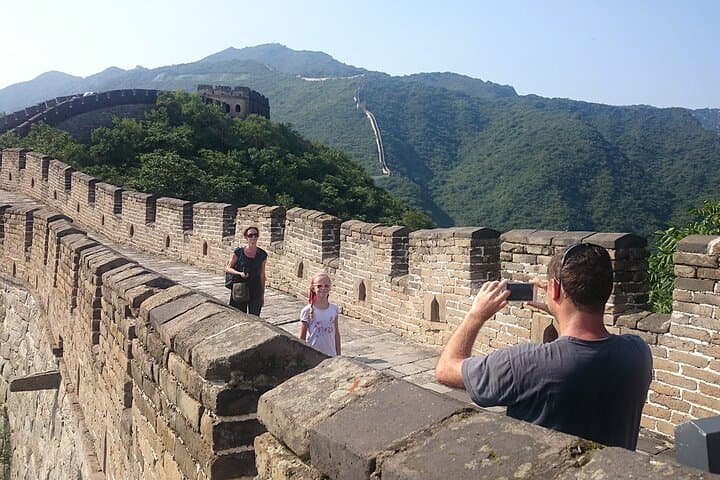
Practically, expect a brief but vivid aerial perspective followed by 2–3 hours on stone steps and uneven walkways. Guides tailor the route: photographers can linger at crenellations, active hikers can push further into less trafficked stretches. Bring layered clothing for variable winds, closed shoes with good grip, and a small pack with water. Allow a full day including pickup and return to Beijing, and factor in security screening at the heliport. The itinerary finishes with a photo stop at the Olympic Bird’s Nest and Water Cube—city monuments that contrast sharply with the Wall’s age—before you’re returned to your hotel by late afternoon.
moderate.
8 hours.
Comfortable walking fitness; must be able to handle uneven stone steps and short steep sections for several hours.
The advertised flight segment is about 15 minutes at low altitude over the Badaling sector to provide broad, photographic views.
The guided hike is moderate: expect uneven stone steps and short climbs; the route is selected to match your energy level by the guide.
Bring your passport and booking confirmation; operators require passport details for pickup and airport security screening.
The tour is marketed as suitable for most fitness levels, but helicopter seating is small and the hike involves steps—assess mobility and comfort with heights before booking.
Badaling contains Ming dynasty walls restored in later periods and became one of the first sections formally developed for modern tourism in the 20th century.
Stick to marked paths and follow guide instructions to reduce erosion and wear on the stone; helicopter operations also add noise—choose operators that limit low passes and flight time.
Travel China Guide operates guided outdoor trips and adventures with an emphasis on safety, stewardship, and memorable experiences.
The rotorwash settles and Beijing falls away into a patchwork of fields and foothills as the helicopter eases over Badaling. From the cabin, the Wall winds like an ancient spine across ridgelines; watchtowers punctuate the horizon and the wind seems to push you forward toward the stone. After a 15‑minute low-altitude circuit that lays the whole Badaling sector bare, the tour sets you down for a guided hike on the very ramparts you observed from above.
The rotorwash settles and Beijing falls away into a patchwork of fields and foothills as the helicopter eases over Badaling. From the cabin, the Wall winds like an ancient spine across ridgelines; watchtowers punctuate the horizon and the wind seems to push you forward toward the stone. After a 15‑minute low-altitude circuit that lays the whole Badaling sector bare, the tour sets you down for a guided hike on the very ramparts you observed from above.
Badaling is a Ming‑era reconstruction sitting on older fortifications and was restored and opened widely to visitors in the 20th century. Geologically, the line follows hard sandstone ridges that force elevation changes into steep flights of steps and short, exposed crests. Culturally the Wall is as much a marker of imperial logistics as of modern Chinese identity—stop to take in the views toward Yanqing and the modern skyline blinking beyond the mountains.
Practically, expect a brief but vivid aerial perspective followed by 2–3 hours on stone steps and uneven walkways. Guides tailor the route: photographers can linger at crenellations, active hikers can push further into less trafficked stretches. Bring layered clothing for variable winds, closed shoes with good grip, and a small pack with water. Allow a full day including pickup and return to Beijing, and factor in security screening at the heliport. The itinerary finishes with a photo stop at the Olympic Bird’s Nest and Water Cube—city monuments that contrast sharply with the Wall’s age—before you’re returned to your hotel by late afternoon.