THE ADVENTURE COLLECTIVE® · Independent discovery and booking for outdoor travel

Two days in Beijing that pair imperial sites with local flavors: ascend the Mutianyu section of the Great Wall, explore the Forbidden City and Temple of Heaven, and walk hutong lanes while savoring authentic Peking duck. A private guide and transport make the itinerary efficient for first-time visitors.
Two days in Beijing that pair imperial sites with local flavors: ascend the Mutianyu section of the Great Wall, explore the Forbidden City and Temple of Heaven, and walk hutong lanes while savoring authentic Peking duck. A private guide and transport make the itinerary efficient for first-time visitors.
You step out of an air-conditioned private car into a wide sweep of stone and red lacquer—the Forbidden City’s central axis cutting a clear line through centuries of imperial ceremony. The guide’s voice sets the pace: history first, flavor later. Daylight slants across carved eaves as you move from the Hall of Supreme Harmony to the quieter courtyards behind the Inner Court; beyond the palace, narrow hutong lanes pull you toward everyday Beijing life.
Verified experiences and guided adventures in the surrounding area.
Operated by Discover Beijing Tours · Beijing, Beijing
You step out of an air-conditioned private car into a wide sweep of stone and red lacquer—the Forbidden City’s central axis cutting a clear line through centuries of imperial ceremony. The guide’s voice sets the pace: history first, flavor later. Daylight slants across carved eaves as you move from the Hall of Supreme Harmony to the quieter courtyards behind the Inner Court; beyond the palace, narrow hutong lanes pull you toward everyday Beijing life.
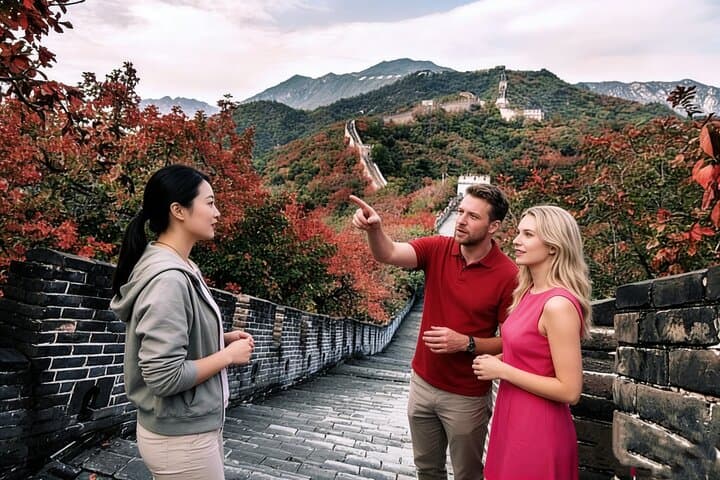
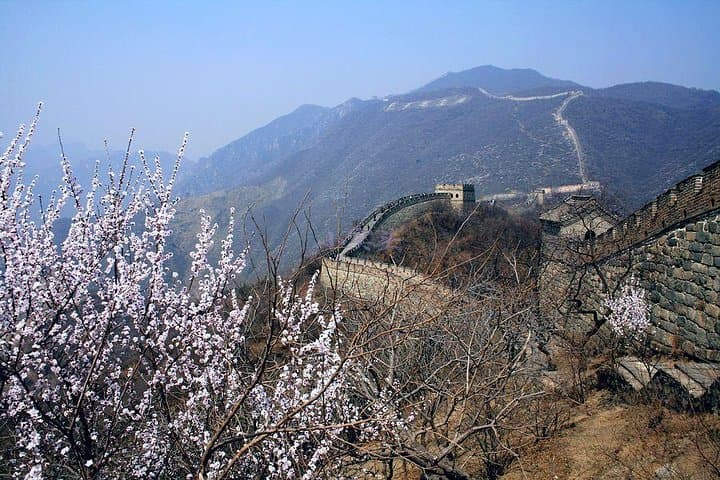
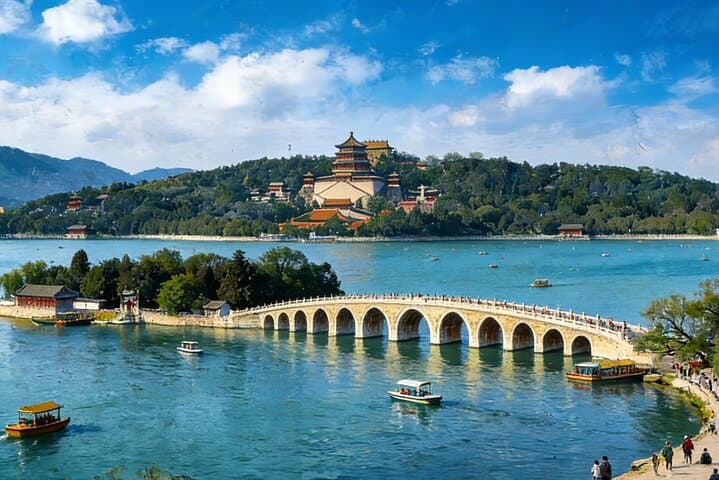
Across two compact days the tour threads together imperial architecture, ritual space, and sweeping wallscapes. Tiananmen Square anchors modern civic history; the Temple of Heaven reveals Ming-era cosmology in its circular altars and nail-less wooden halls; the Summer Palace unfolds royal garden design along Kunming Lake and the 728‑meter Long Corridor. On day two, Mutianyu’s Ming-era wall rises from forested slopes—22 watchtowers spaced like punctuation along stone steps—offering both strenuous stair sections and easier options via cable car or ski-lift up with a toboggan down.
Culturally, expect guided context on dynastic rituals, Beijing’s hutong living patterns, and how the city’s modern skyline sits beside centuries-old compounds. Practicalities are straightforward: hotel pickup within the 4th ring road, passport details required, and security checks at major sites can add time. Plan mornings at the major monuments to avoid peak crowds and bring comfortable shoes for uneven stone steps at the Wall and long corridors in palace complexes.
Bring a daypack with water, a portable charger, and flexible layers for sudden weather shifts—Beijing’s spring and autumn are pleasant but can be windy; summer is hot, winter can bite. The trip packs dense cultural value into two full days, balancing walking with transport and local meals—most memorably, a sit-down Peking duck lunch that connects the places you visit to Beijing’s culinary identity.
easy.
2 days (approx. 8–10 hours per day).
Suitable for travellers who can walk several kilometers and manage stair sections; no sustained technical fitness required.
Entrance to the listed sites (Forbidden City, Temple of Heaven, Summer Palace, Mutianyu) is included as part of this private tour per the itinerary.
Yes—pickup and drop-off are provided for hotels located within Beijing’s 4th Ring Road; specify your pickup point when booking.
Infants are allowed; children 0–3 years may travel free but must sit on an adult’s lap and bring any needed supplies—strollers are usable in many areas but may be limited at stairs.
Tiananmen can close for security reasons with no refund; the guide will offer a drive-by or alternative stop if this occurs, so plan flexibility into your schedule.
Beijing has served as China’s political center for centuries; the Forbidden City and Temple of Heaven embody Ming and Qing dynastic governance and ritual, while Mutianyu preserves Ming-era military architecture.
High visitation stresses heritage sites and parklands—follow posted rules, stick to designated paths, and avoid feeding wildlife; choose locally run vendors to support sustainable tourism.
Discover Beijing Tours operates guided outdoor trips and adventures with an emphasis on safety, stewardship, and memorable experiences.
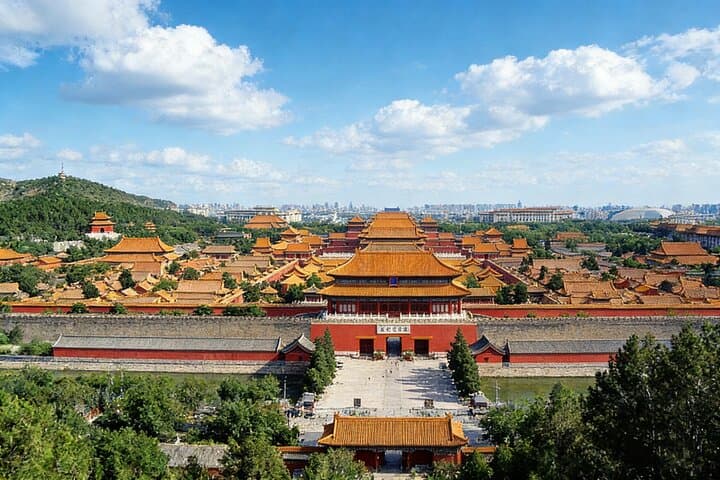
You step out of an air-conditioned private car into a wide sweep of stone and red lacquer—the Forbidden City’s central axis cutting a clear line through centuries of imperial ceremony. The guide’s voice sets the pace: history first, flavor later. Daylight slants across carved eaves as you move from the Hall of Supreme Harmony to the quieter courtyards behind the Inner Court; beyond the palace, narrow hutong lanes pull you toward everyday Beijing life.
You step out of an air-conditioned private car into a wide sweep of stone and red lacquer—the Forbidden City’s central axis cutting a clear line through centuries of imperial ceremony. The guide’s voice sets the pace: history first, flavor later. Daylight slants across carved eaves as you move from the Hall of Supreme Harmony to the quieter courtyards behind the Inner Court; beyond the palace, narrow hutong lanes pull you toward everyday Beijing life.
Across two compact days the tour threads together imperial architecture, ritual space, and sweeping wallscapes. Tiananmen Square anchors modern civic history; the Temple of Heaven reveals Ming-era cosmology in its circular altars and nail-less wooden halls; the Summer Palace unfolds royal garden design along Kunming Lake and the 728‑meter Long Corridor. On day two, Mutianyu’s Ming-era wall rises from forested slopes—22 watchtowers spaced like punctuation along stone steps—offering both strenuous stair sections and easier options via cable car or ski-lift up with a toboggan down.
Culturally, expect guided context on dynastic rituals, Beijing’s hutong living patterns, and how the city’s modern skyline sits beside centuries-old compounds. Practicalities are straightforward: hotel pickup within the 4th ring road, passport details required, and security checks at major sites can add time. Plan mornings at the major monuments to avoid peak crowds and bring comfortable shoes for uneven stone steps at the Wall and long corridors in palace complexes.
Bring a daypack with water, a portable charger, and flexible layers for sudden weather shifts—Beijing’s spring and autumn are pleasant but can be windy; summer is hot, winter can bite. The trip packs dense cultural value into two full days, balancing walking with transport and local meals—most memorably, a sit-down Peking duck lunch that connects the places you visit to Beijing’s culinary identity.