THE ADVENTURE COLLECTIVE® · Independent discovery and booking for outdoor travel

Step behind the barrier for a 25-minute keeper-led session with Indrah or Hutan at Melbourne Zoo. Learn hands-on husbandry, enrichment techniques and the conservation work protecting Sumatran tigers.
Step behind the barrier for a 25-minute keeper-led session with Indrah or Hutan at Melbourne Zoo. Learn hands-on husbandry, enrichment techniques and the conservation work protecting Sumatran tigers.
A low-slung morning light slices across the tiger enclosure as a small group gathers behind a discrete barrier. The scent of damp earth and warm fur hangs in the air; a keeper’s voice guides the moment, calling a name — Indrah or Hutan — and the animal responds with slow, focused movement. This is not a staged photo op but a compact, intimate look at daily care and enrichment.
Verified experiences and guided adventures in the surrounding area.
Operated by Zoos Victoria · Melbourne, Victoria
A low-slung morning light slices across the tiger enclosure as a small group gathers behind a discrete barrier. The scent of damp earth and warm fur hangs in the air; a keeper’s voice guides the moment, calling a name — Indrah or Hutan — and the animal responds with slow, focused movement. This is not a staged photo op but a compact, intimate look at daily care and enrichment.
Melbourne Zoo, one of Australia’s oldest zoological institutions (opened 1862), sits on the edge of Royal Park and has long combined public display with research and species recovery. The tiger residents here are part of broader conservation programs for critically endangered Sumatran tigers, and the experience foregrounds husbandry, behavioral training and the science behind enrichment.
Geology and urban greenspace meet here: flat basalt clay soils of the Melbourne plain support the parkland that buffers the zoo, while mature trees and constructed wetland habitats provide microclimates for city wildlife. The keeper-led session explains feeding protocols, enrichment design and the captive-breeding work that underpins field conservation.
Practical notes: the experience runs about 25 minutes, accepts small groups (up to eight), and is sold without general zoo admission — book that ticket separately. Arrive early to use nearby public transport, leave phones on silent during the session, and follow keeper instructions for safety and minimal disturbance. Expect close but controlled viewing, storytelling from rangers, and a clear conservation message you can support with thoughtful behavior and questions after the session.
easy.
25 minutes.
Minimal walking and standing; suitable for all fitness levels
Yes—the product excludes general zoo entry. Purchase Melbourne Zoo admission separately for the same day.
The session is approximately 25 minutes and is limited to small groups (typically up to eight participants).
Yes—it's family-friendly but check age restrictions or supervision rules when booking; children should follow keeper directions at all times.
Photography without flash is usually permitted, but touching the tigers is not allowed; always follow the keeper’s guidance.
Melbourne Zoo opened in 1862 and is Australia’s oldest zoo; it has evolved from display toward active conservation and species recovery programs.
The zoo runs captive-breeding and field conservation initiatives for endangered species; visitor behavior and ticket revenue help fund these programs and reduce stress on animals.
Zoos Victoria operates guided outdoor trips and adventures with an emphasis on safety, stewardship, and memorable experiences.
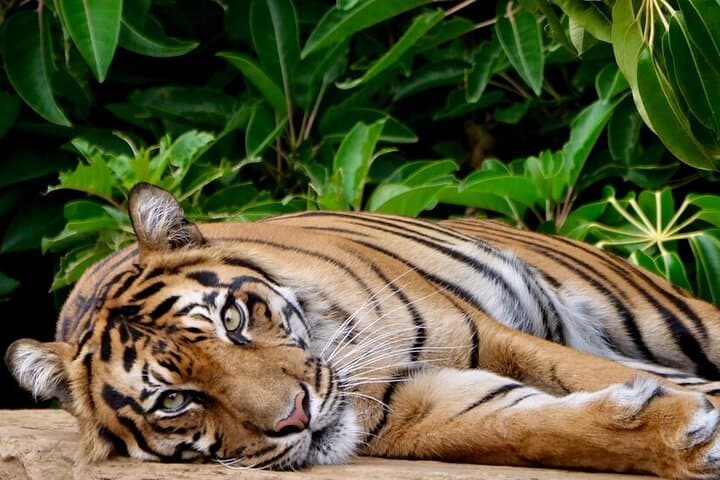
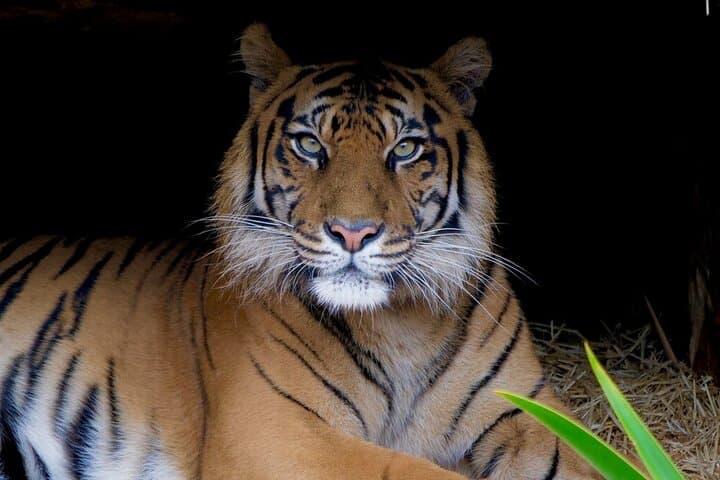
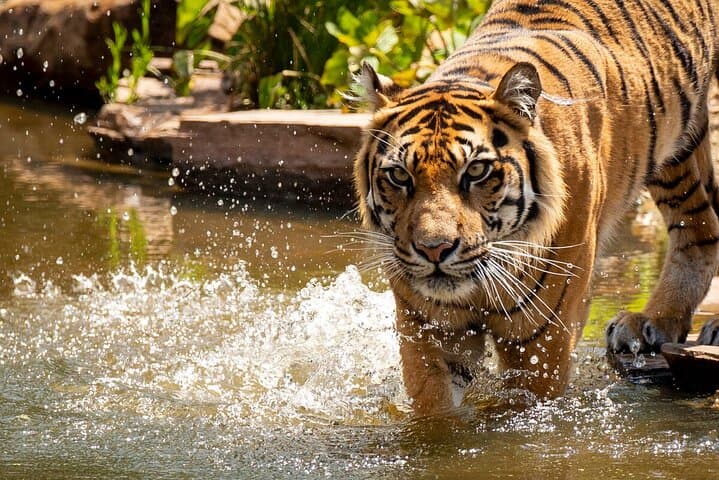
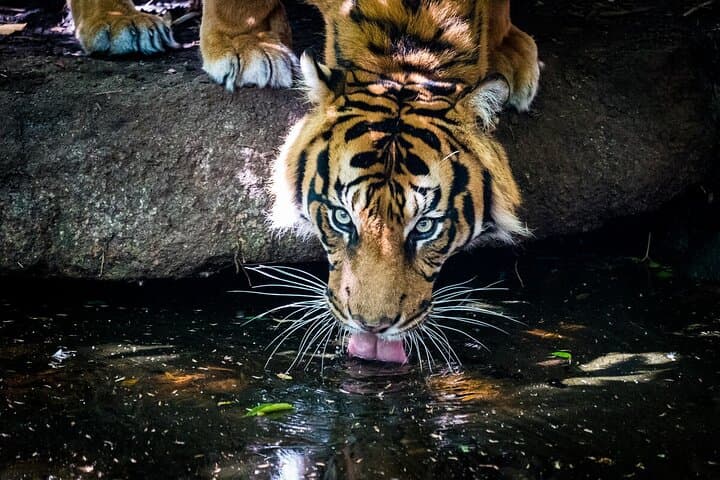
A low-slung morning light slices across the tiger enclosure as a small group gathers behind a discrete barrier. The scent of damp earth and warm fur hangs in the air; a keeper’s voice guides the moment, calling a name — Indrah or Hutan — and the animal responds with slow, focused movement. This is not a staged photo op but a compact, intimate look at daily care and enrichment.
A low-slung morning light slices across the tiger enclosure as a small group gathers behind a discrete barrier. The scent of damp earth and warm fur hangs in the air; a keeper’s voice guides the moment, calling a name — Indrah or Hutan — and the animal responds with slow, focused movement. This is not a staged photo op but a compact, intimate look at daily care and enrichment.
Melbourne Zoo, one of Australia’s oldest zoological institutions (opened 1862), sits on the edge of Royal Park and has long combined public display with research and species recovery. The tiger residents here are part of broader conservation programs for critically endangered Sumatran tigers, and the experience foregrounds husbandry, behavioral training and the science behind enrichment.
Geology and urban greenspace meet here: flat basalt clay soils of the Melbourne plain support the parkland that buffers the zoo, while mature trees and constructed wetland habitats provide microclimates for city wildlife. The keeper-led session explains feeding protocols, enrichment design and the captive-breeding work that underpins field conservation.
Practical notes: the experience runs about 25 minutes, accepts small groups (up to eight), and is sold without general zoo admission — book that ticket separately. Arrive early to use nearby public transport, leave phones on silent during the session, and follow keeper instructions for safety and minimal disturbance. Expect close but controlled viewing, storytelling from rangers, and a clear conservation message you can support with thoughtful behavior and questions after the session.