THE ADVENTURE COLLECTIVE® · Independent discovery and booking for outdoor travel

Get an inside, rail-side look at morning workouts and barn life on a 230-acre training center in central Kentucky. Learn how trainers condition elite thoroughbreds, see gate and swim training, and ask questions up close.
Get an inside, rail-side look at morning workouts and barn life on a 230-acre training center in central Kentucky. Learn how trainers condition elite thoroughbreds, see gate and swim training, and ask questions up close.
Morning light slices across plank fences and the hush of the Kentucky Bluegrass surrounds you as the mini-bus eases into The Thoroughbred Center. The sound is not just hooves but a living routine: hot-walking, tack being readjusted, a trainer’s clipped instructions. You stand rail-side while exercise riders carry thoroughbreds through timed gallops; later you move through barns where the smell of hay and leather mixes with the quiet magnitude of 1,000-pound athletes.
Verified experiences and guided adventures in the surrounding area.
Operated by The Thoroughbred Center · Lexington, Kentucky
Morning light slices across plank fences and the hush of the Kentucky Bluegrass surrounds you as the mini-bus eases into The Thoroughbred Center. The sound is not just hooves but a living routine: hot-walking, tack being readjusted, a trainer’s clipped instructions. You stand rail-side while exercise riders carry thoroughbreds through timed gallops; later you move through barns where the smell of hay and leather mixes with the quiet magnitude of 1,000-pound athletes.
Central Kentucky’s rolling limestone soils created the Bluegrass region’s deep roots and rich pastures that made this area the world’s horse-training heartland. The Thoroughbred Center occupies over 230 acres and its original barns—each housing hundreds—reflect a working tradition of breeding, breaking and conditioning that dates back generations of breeders and trainers. Expect to learn about stable routines, gate training, feed and hay logistics, and the small innovations—like swim therapy at nearby Mill Iron—that shape modern performance.
The tour is conversational: guides introduce you to outriders and, when available, trainers such as Mike Cameron who may pull a horse from its stall for a hands-on Q&A. This is not a race-day spectacle but an operational view of elite horsemanship.
Practical notes: tours run year-round with seasonal shifts in workload; wear comfortable walking shoes and modest, dust-resistant clothing. Bring a camera, but follow guide instructions in barns and around horses. Groups are small, so questions are encouraged—this is a close-up lesson in the craft of training thoroughbreds and why central Kentucky remains preeminent.
easy.
1.5 hours.
Light walking on flat to compacted surfaces; suitable for most fitness levels
You can stand rail-side during workouts and enter certain barns escorted by the guide; always follow staff directions and do not approach a horse without permission.
Yes, but children must be accompanied by an adult and remain under supervision—stables contain heavy equipment and large animals.
Photography is generally allowed, but staff may restrict it in certain areas and ask you to avoid flash near horses.
The operator may cancel and offer an alternative date or full refund; minimum numbers are required so confirm policies at booking.
Central Kentucky’s limestone-rich soils and ryegrass pastures established the Bluegrass region as a center for breeding and training thoroughbreds dating back to the 18th and 19th centuries.
The region emphasizes pasture management, controlled grazing and responsible manure handling to protect waterways and maintain soil health around training facilities.
The Thoroughbred Center operates guided outdoor trips and adventures with an emphasis on safety, stewardship, and memorable experiences.
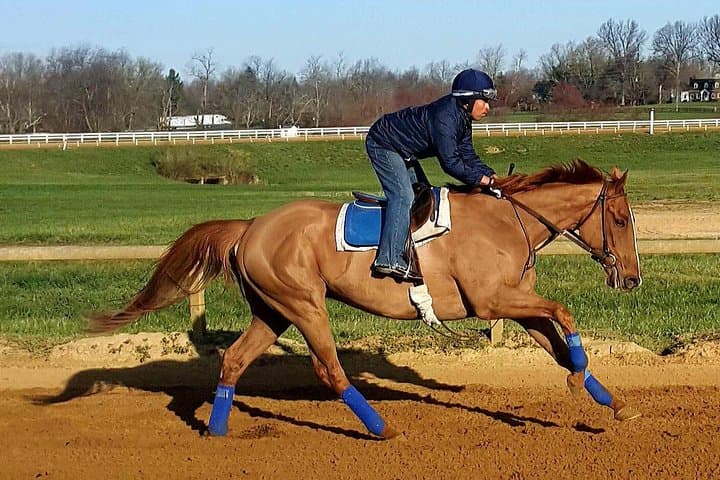
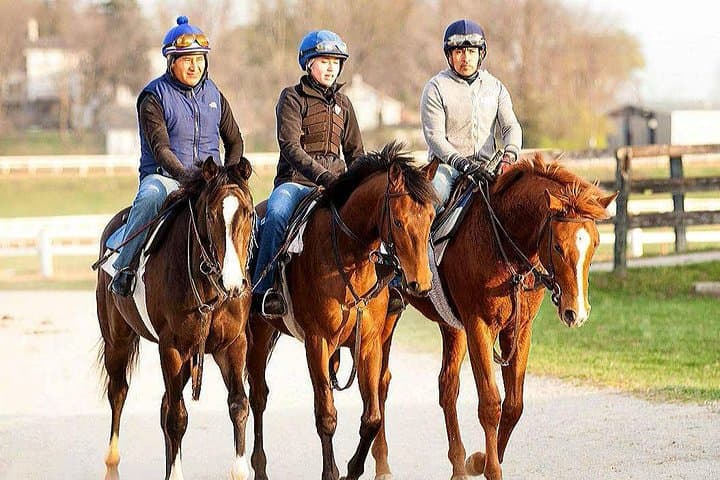
Morning light slices across plank fences and the hush of the Kentucky Bluegrass surrounds you as the mini-bus eases into The Thoroughbred Center. The sound is not just hooves but a living routine: hot-walking, tack being readjusted, a trainer’s clipped instructions. You stand rail-side while exercise riders carry thoroughbreds through timed gallops; later you move through barns where the smell of hay and leather mixes with the quiet magnitude of 1,000-pound athletes.
Morning light slices across plank fences and the hush of the Kentucky Bluegrass surrounds you as the mini-bus eases into The Thoroughbred Center. The sound is not just hooves but a living routine: hot-walking, tack being readjusted, a trainer’s clipped instructions. You stand rail-side while exercise riders carry thoroughbreds through timed gallops; later you move through barns where the smell of hay and leather mixes with the quiet magnitude of 1,000-pound athletes.
Central Kentucky’s rolling limestone soils created the Bluegrass region’s deep roots and rich pastures that made this area the world’s horse-training heartland. The Thoroughbred Center occupies over 230 acres and its original barns—each housing hundreds—reflect a working tradition of breeding, breaking and conditioning that dates back generations of breeders and trainers. Expect to learn about stable routines, gate training, feed and hay logistics, and the small innovations—like swim therapy at nearby Mill Iron—that shape modern performance.
The tour is conversational: guides introduce you to outriders and, when available, trainers such as Mike Cameron who may pull a horse from its stall for a hands-on Q&A. This is not a race-day spectacle but an operational view of elite horsemanship.
Practical notes: tours run year-round with seasonal shifts in workload; wear comfortable walking shoes and modest, dust-resistant clothing. Bring a camera, but follow guide instructions in barns and around horses. Groups are small, so questions are encouraged—this is a close-up lesson in the craft of training thoroughbreds and why central Kentucky remains preeminent.