THE ADVENTURE COLLECTIVE® · Independent discovery and booking for outdoor travel

Get eye-level with seals Pania, Iha and Bella in a 15-minute behind-the-scenes session at Melbourne Zoo. Learn about individual behavior, rescue work in Victorian waters and practical steps you can take to support marine welfare.
Get eye-level with seals Pania, Iha and Bella in a 15-minute behind-the-scenes session at Melbourne Zoo. Learn about individual behavior, rescue work in Victorian waters and practical steps you can take to support marine welfare.
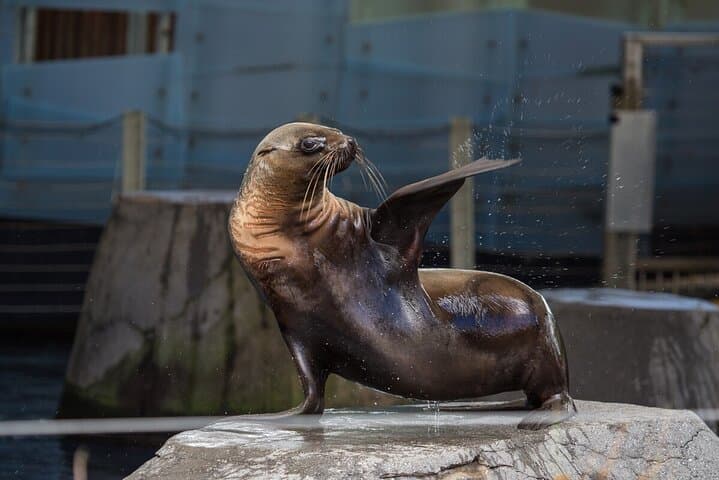
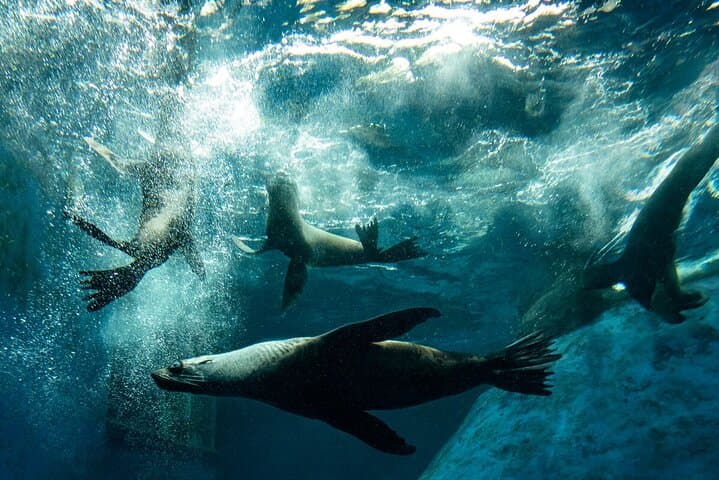
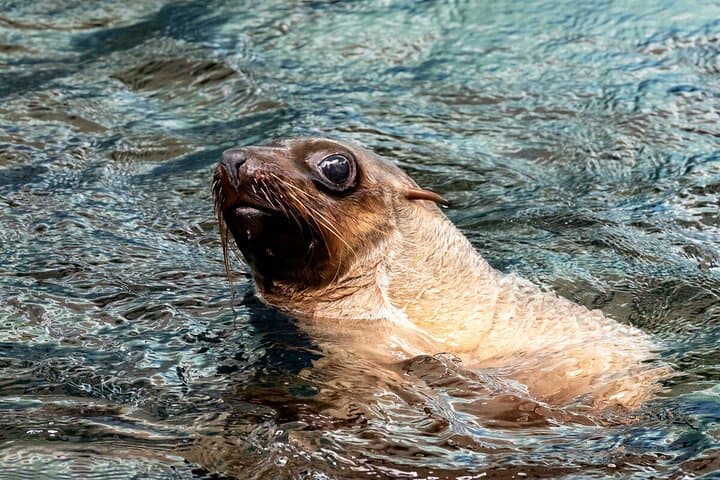
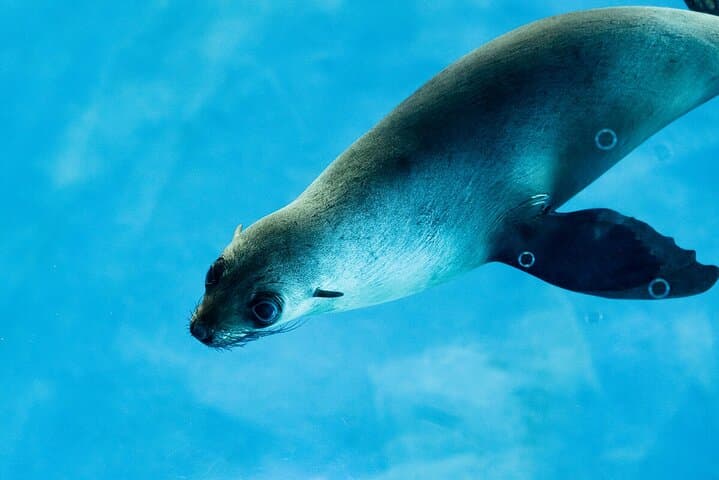
The scent of damp pebbles and chlorinated water meets you at the pool edge as a sleek shape arcs through blue — a seal cutting a clean line and nudging a floating ball with curious eyes. For fifteen focused minutes, guests stand close enough to hear a ripple and the low chatter of keepers as Pania, Iha and Bella perform training cues and vocalize for attention.
Verified experiences and guided adventures in the surrounding area.
Operated by Zoos Victoria · Melbourne, Victoria
The scent of damp pebbles and chlorinated water meets you at the pool edge as a sleek shape arcs through blue — a seal cutting a clean line and nudging a floating ball with curious eyes. For fifteen focused minutes, guests stand close enough to hear a ripple and the low chatter of keepers as Pania, Iha and Bella perform training cues and vocalize for attention.
Melbourne Zoo sits inside Royal Park, an urban green bloc shaped in the 19th century as part of the city’s park system. The zoo’s marine program ties local history to Port Phillip Bay’s coastline: seals are regular visitors to Victorian waters, and Zoos Victoria’s Marine Response Unit grew from a long history of rescuing stranded marine wildlife.
The encounter mixes behavioral science and public education — rangers explain feeding strategies, individual personalities and the conservation work that follows rescues. It’s less about photo ops and more about context: how training supports welfare, how seals indicate ocean health and how eager citizens can spot distress on the shore.
Practicalities are straightforward. The experience lasts about 15 minutes, requires zoo entry (not included), and is limited to small groups (up to eight). Participants must be eight or older; 8–12-year-olds need supervising adults. Covered, closed-toe shoes are mandatory and the program is wheelchair accessible. Bring a charged phone for photos but follow the keeper’s instructions during sessions. Mobile tickets are accepted; arrive early to check in at the meeting point and plan for variable Melbourne weather — a light layer and sun protection will keep you comfortable while you watch these agile marine residents at work.
easy.
15 minutes.
Suitable for all fitness levels; must be able to stand or transfer with assistance for the short session
No — the experience is sold excluding general zoo entry; you must have a separate valid zoo ticket to participate.
Participants must be at least 8 years old; children aged 8–12 require an accompanying adult.
Yes — the program and surfaces are wheelchair accessible; contact the operator ahead of time for any specific assistance needs.
Full refunds are available if cancelled at least 24 hours before the scheduled session; same-day cancellations are not refundable.
Melbourne Zoo opened in 1862 as one of Australia’s earliest scientific and public zoological gardens; its marine programs later evolved to include rescue and rehabilitation efforts for Victorian waters.
Zoos Victoria runs the Marine Response Unit to rescue and rehabilitate stranded marine animals; public education programs like this experience fund and support that work.
Zoos Victoria operates guided outdoor trips and adventures with an emphasis on safety, stewardship, and memorable experiences.
The scent of damp pebbles and chlorinated water meets you at the pool edge as a sleek shape arcs through blue — a seal cutting a clean line and nudging a floating ball with curious eyes. For fifteen focused minutes, guests stand close enough to hear a ripple and the low chatter of keepers as Pania, Iha and Bella perform training cues and vocalize for attention.
The scent of damp pebbles and chlorinated water meets you at the pool edge as a sleek shape arcs through blue — a seal cutting a clean line and nudging a floating ball with curious eyes. For fifteen focused minutes, guests stand close enough to hear a ripple and the low chatter of keepers as Pania, Iha and Bella perform training cues and vocalize for attention.
Melbourne Zoo sits inside Royal Park, an urban green bloc shaped in the 19th century as part of the city’s park system. The zoo’s marine program ties local history to Port Phillip Bay’s coastline: seals are regular visitors to Victorian waters, and Zoos Victoria’s Marine Response Unit grew from a long history of rescuing stranded marine wildlife.
The encounter mixes behavioral science and public education — rangers explain feeding strategies, individual personalities and the conservation work that follows rescues. It’s less about photo ops and more about context: how training supports welfare, how seals indicate ocean health and how eager citizens can spot distress on the shore.
Practicalities are straightforward. The experience lasts about 15 minutes, requires zoo entry (not included), and is limited to small groups (up to eight). Participants must be eight or older; 8–12-year-olds need supervising adults. Covered, closed-toe shoes are mandatory and the program is wheelchair accessible. Bring a charged phone for photos but follow the keeper’s instructions during sessions. Mobile tickets are accepted; arrive early to check in at the meeting point and plan for variable Melbourne weather — a light layer and sun protection will keep you comfortable while you watch these agile marine residents at work.