THE ADVENTURE COLLECTIVE® · Independent discovery and booking for outdoor travel

Go behind the public barriers to watch rescued tigers and leopards from catwalks and night enclosures, learn about regional conservation, and enjoy a lunch with a view. This 2–3 hour guided tour focuses on animal care and rehabilitation.
Go behind the public barriers to watch rescued tigers and leopards from catwalks and night enclosures, learn about regional conservation, and enjoy a lunch with a view. This 2–3 hour guided tour focuses on animal care and rehabilitation.
You step out of an air-conditioned van into the low coastal heat and hear a distant, measured rumble — not of traffic but of big cats moving through tall grass. On a narrow catwalk above shaded enclosures, a guide points out a tiger pacing with patient authority while a leopard slips into a sun-warmed ledge; the experience is intimate by design, not spectacle.
Verified experiences and guided adventures in the surrounding area.
Operated by Wildlife Rescue Center Tours · Hua Hin, Prachuap Khiri Khan
You step out of an air-conditioned van into the low coastal heat and hear a distant, measured rumble — not of traffic but of big cats moving through tall grass. On a narrow catwalk above shaded enclosures, a guide points out a tiger pacing with patient authority while a leopard slips into a sun-warmed ledge; the experience is intimate by design, not spectacle.
The center grew out of regional conservation needs as Thailand’s wild tiger populations declined through the 20th century; rescue facilities now focus on long-term care, rehabilitation where possible, and public education. Geologically the area sits on the Gulf of Thailand’s gentle coastal plain with scattered limestone outcrops; culturally, Hua Hin is a seaside town that supports a mix of tourism and local fisheries, so the center links urban visitors to species recovery work.
Practically, the behind-the-scenes tour runs about 2–3 hours, led by a guide into spaces normally closed to the public: night enclosures, feeding and veterinary zones, and vantage points that let you watch behavior at close range. Photography is allowed but touching or feeding animals is not. A multi-course lunch is included and served near viewing areas. Expect light walking, some steps, and shaded paths rather than rugged trails. Bring a charged camera, closed-toe shoes, sun protection and insect repellent; follow all staff instructions to minimize stress on the animals. Morning tours are cooler and often better for animal activity; plan transportation and confirm the center’s animal welfare rules ahead of time to ensure a respectful visit.
easy.
2–3 hours.
Light fitness required — short periods of standing and walking with stairs; suitable for most visitors.
No — touching or feeding is prohibited to protect both visitors and the animals; staff will brief you on permitted interactions.
Yes, hotel pickup and drop-off in an air-conditioned vehicle is typically included; confirm your pickup point when booking.
Children can join, but the experience suits those who can follow safety rules and remain calm around animals; age restrictions may apply—check with the operator.
Full refunds are generally available with cancellation at least 24 hours before departure; the operator may cancel if minimum traveler numbers aren’t met.
The center formed in response to national declines in wild tiger populations and the rise of illegal trade; rescue facilities now focus on care, rehabilitation, and education.
Visits directly support animal care and outreach; follow staff guidelines to minimize disturbance and leave no trace around enclosures.
Wildlife Rescue Center Tours operates guided outdoor trips and adventures with an emphasis on safety, stewardship, and memorable experiences.

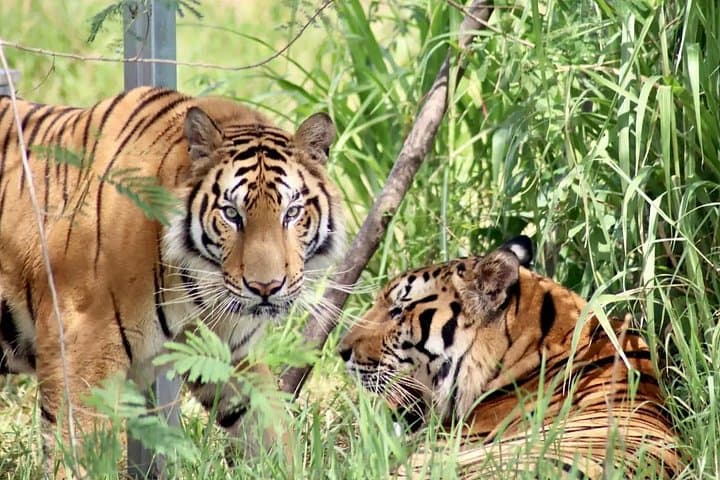
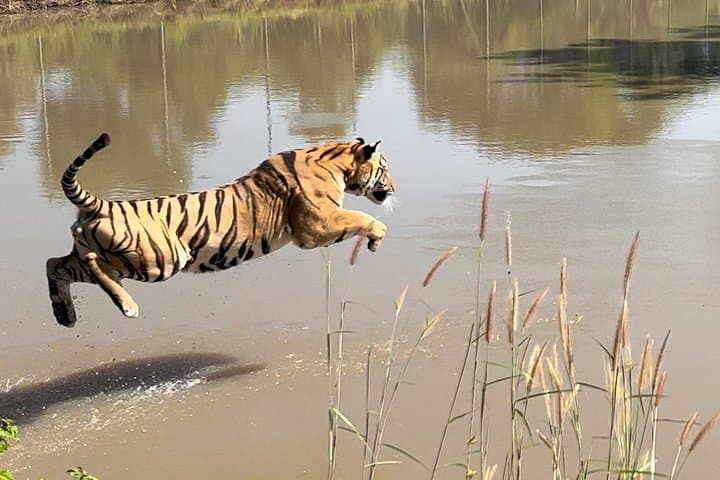
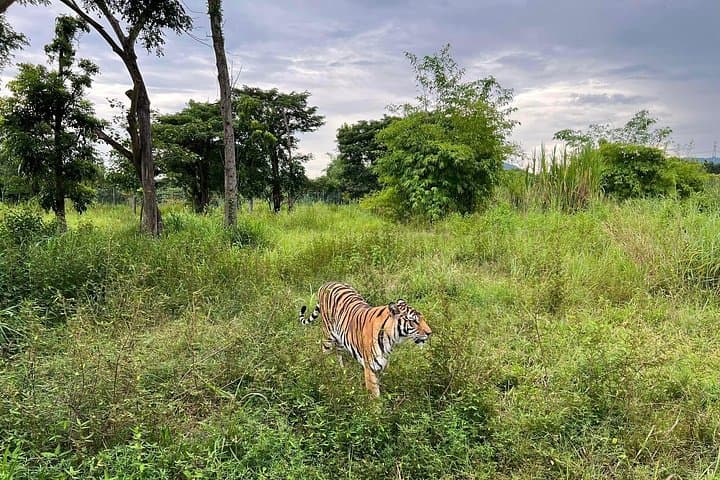
You step out of an air-conditioned van into the low coastal heat and hear a distant, measured rumble — not of traffic but of big cats moving through tall grass. On a narrow catwalk above shaded enclosures, a guide points out a tiger pacing with patient authority while a leopard slips into a sun-warmed ledge; the experience is intimate by design, not spectacle.
You step out of an air-conditioned van into the low coastal heat and hear a distant, measured rumble — not of traffic but of big cats moving through tall grass. On a narrow catwalk above shaded enclosures, a guide points out a tiger pacing with patient authority while a leopard slips into a sun-warmed ledge; the experience is intimate by design, not spectacle.
The center grew out of regional conservation needs as Thailand’s wild tiger populations declined through the 20th century; rescue facilities now focus on long-term care, rehabilitation where possible, and public education. Geologically the area sits on the Gulf of Thailand’s gentle coastal plain with scattered limestone outcrops; culturally, Hua Hin is a seaside town that supports a mix of tourism and local fisheries, so the center links urban visitors to species recovery work.
Practically, the behind-the-scenes tour runs about 2–3 hours, led by a guide into spaces normally closed to the public: night enclosures, feeding and veterinary zones, and vantage points that let you watch behavior at close range. Photography is allowed but touching or feeding animals is not. A multi-course lunch is included and served near viewing areas. Expect light walking, some steps, and shaded paths rather than rugged trails. Bring a charged camera, closed-toe shoes, sun protection and insect repellent; follow all staff instructions to minimize stress on the animals. Morning tours are cooler and often better for animal activity; plan transportation and confirm the center’s animal welfare rules ahead of time to ensure a respectful visit.