THE ADVENTURE COLLECTIVE® · Independent discovery and booking for outdoor travel

Follow the plaques through Savannah’s Historic District on a focused two-hour walk that surfaces lesser-known stories and architectural details. Perfect for visitors who want historical depth without a museum—just bring good shoes and water.
Follow the plaques through Savannah’s Historic District on a focused two-hour walk that surfaces lesser-known stories and architectural details. Perfect for visitors who want historical depth without a museum—just bring good shoes and water.
You step off Bull Street into a square that feels like a room opened to the sky—moss-draped oaks shading cobbled brick, a bronze statue watching the foot traffic like a patient host. The guide points to a small metal plaque and, with a practiced economy of voice, moves the past into focus: soldiers, civic leaders, forgotten names now fixed to brass.
Verified experiences and guided adventures in the surrounding area.
Operated by House of Clayton · Savannah, Georgia
You step off Bull Street into a square that feels like a room opened to the sky—moss-draped oaks shading cobbled brick, a bronze statue watching the foot traffic like a patient host. The guide points to a small metal plaque and, with a practiced economy of voice, moves the past into focus: soldiers, civic leaders, forgotten names now fixed to brass.
This two-hour walk threads through Chippewa, Wright, Oglethorpe and Lafayette Squares, using historical markers as anchors. Savannah’s grid was laid out by James Oglethorpe in 1733; the squares were both practical town planning and civic stage. You’ll hear about Tomo-Chi-Chi and Mary Musgrove—indigenous and colonial figures whose stories are often condensed on the plaques—and see antebellum townhomes such as the Kehoe House and the Green-Meldrim House that reveal building practices, brickwork and wealth built on coastal trade.
Geology here is subtle: low-lying coastal plain terrain with salt-marsh drainage shaping the city’s growth and its vulnerability to hurricanes and flooding. Culturally, the Historic District balances preservation, tourism and living neighborhoods; walking it is an exercise in moving respectfully through layered histories.
Practical guidance: the route covers roughly 1.5–2 miles on flat paved surfaces with frequent stops. Expect standing and walking for two hours; humidity and sun can be intense in summer so hydrate and pace yourself. Bring comfortable walking shoes, a hat, sunscreen and a compact umbrella for sudden showers. The tour meets on Bull Street by the James Oglethorpe statue and finishes a few blocks south of Chippewa Square—an efficient loop that highlights plaques most visitors pass without noticing.
moderate.
2 hours.
Comfortable walking fitness — able to walk and stand intermittently for two hours (about 1.5–2 miles).
Expect roughly 1.5–2 miles total over two hours with multiple short stops at squares and points of interest.
Infants in strollers are fine and service animals are allowed; wheelchair accessibility varies by sidewalk and entrance—contact the operator for specifics.
This walking tour focuses on plaques and exteriors; it does not include interior admissions to homes or museums.
Tours may be canceled for severe weather; lightweight rain gear works for light rain but heavy storms can trigger rescheduling.
Savannah’s grid and public squares were laid out by James Oglethorpe in 1733; many markers reference colonial governance, Revolutionary War figures and civic leaders who shaped urban growth.
The Historic District balances tourism with preservation rules for facades, and rising sea levels and storms are active concerns—visitors can help by following marked paths and avoiding damage to historic fabric.
House of Clayton operates guided outdoor trips and adventures with an emphasis on safety, stewardship, and memorable experiences.
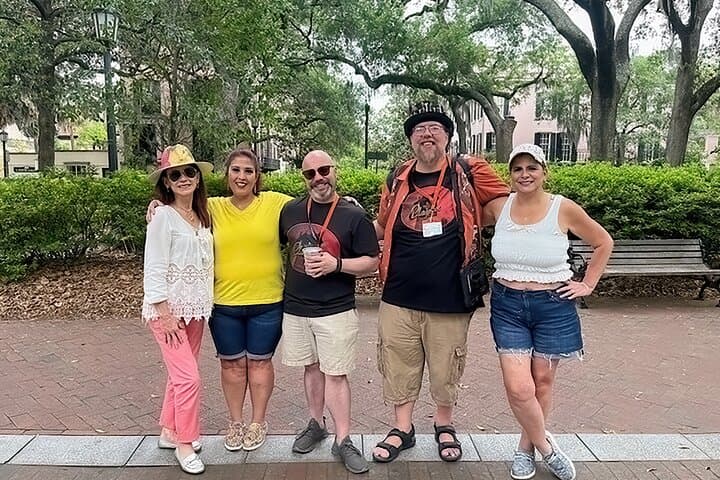
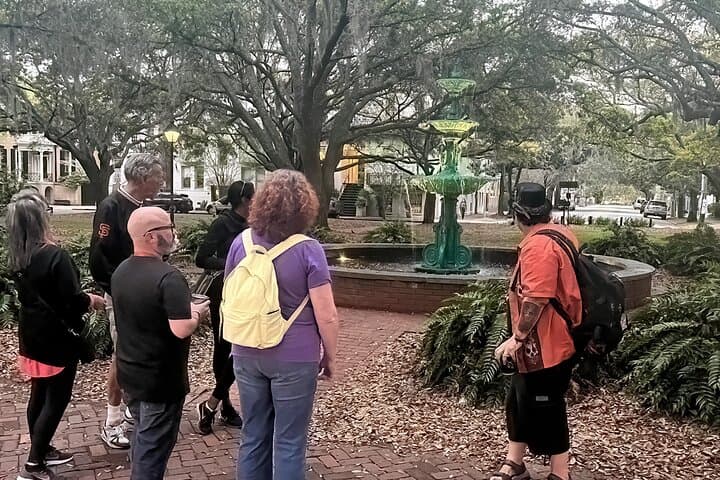
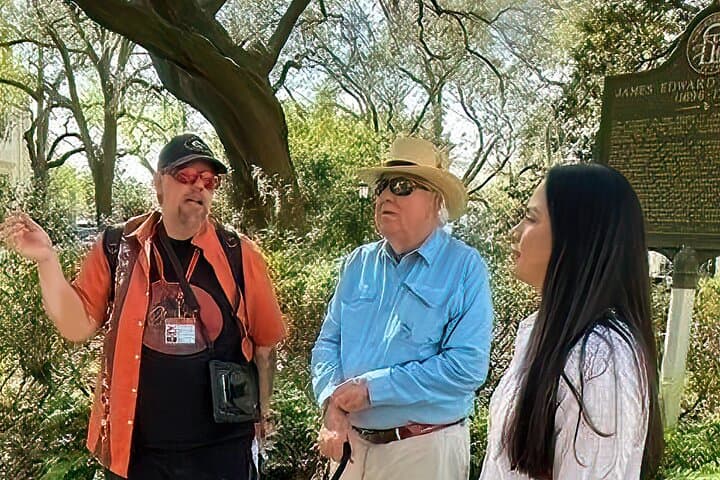
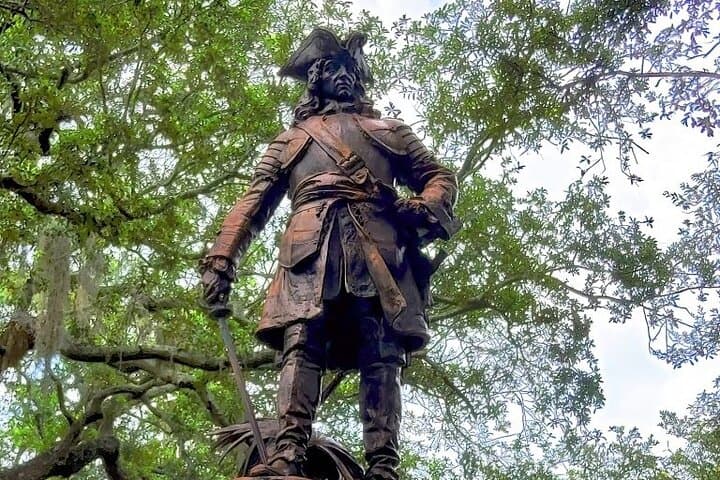
You step off Bull Street into a square that feels like a room opened to the sky—moss-draped oaks shading cobbled brick, a bronze statue watching the foot traffic like a patient host. The guide points to a small metal plaque and, with a practiced economy of voice, moves the past into focus: soldiers, civic leaders, forgotten names now fixed to brass.
You step off Bull Street into a square that feels like a room opened to the sky—moss-draped oaks shading cobbled brick, a bronze statue watching the foot traffic like a patient host. The guide points to a small metal plaque and, with a practiced economy of voice, moves the past into focus: soldiers, civic leaders, forgotten names now fixed to brass.
This two-hour walk threads through Chippewa, Wright, Oglethorpe and Lafayette Squares, using historical markers as anchors. Savannah’s grid was laid out by James Oglethorpe in 1733; the squares were both practical town planning and civic stage. You’ll hear about Tomo-Chi-Chi and Mary Musgrove—indigenous and colonial figures whose stories are often condensed on the plaques—and see antebellum townhomes such as the Kehoe House and the Green-Meldrim House that reveal building practices, brickwork and wealth built on coastal trade.
Geology here is subtle: low-lying coastal plain terrain with salt-marsh drainage shaping the city’s growth and its vulnerability to hurricanes and flooding. Culturally, the Historic District balances preservation, tourism and living neighborhoods; walking it is an exercise in moving respectfully through layered histories.
Practical guidance: the route covers roughly 1.5–2 miles on flat paved surfaces with frequent stops. Expect standing and walking for two hours; humidity and sun can be intense in summer so hydrate and pace yourself. Bring comfortable walking shoes, a hat, sunscreen and a compact umbrella for sudden showers. The tour meets on Bull Street by the James Oglethorpe statue and finishes a few blocks south of Chippewa Square—an efficient loop that highlights plaques most visitors pass without noticing.