THE ADVENTURE COLLECTIVE® · Independent discovery and booking for outdoor travel

Walk behind the scenes at Maracanã Stadium and explore Flamengo’s Gávea headquarters to see locker rooms, museum exhibits and the artifacts of Brazil’s football history. This six-hour guided visit blends stadium lore with club culture and practical tips for visiting.
Walk behind the scenes at Maracanã Stadium and explore Flamengo’s Gávea headquarters to see locker rooms, museum exhibits and the artifacts of Brazil’s football history. This six-hour guided visit blends stadium lore with club culture and practical tips for visiting.
You step under the concrete ribs of Maracanã and the city’s pulse shifts—echoes of chants and the thud of boots feel embedded in the stands. Sunlight slices between tiers as a guide points to the plaque marking Brazil’s World Cup history; the turf smells of cut grass and old victories.
Verified experiences and guided adventures in the surrounding area.
Operated by Tangol · Rio de Janeiro, Rio de Janeiro
You step under the concrete ribs of Maracanã and the city’s pulse shifts—echoes of chants and the thud of boots feel embedded in the stands. Sunlight slices between tiers as a guide points to the plaque marking Brazil’s World Cup history; the turf smells of cut grass and old victories.
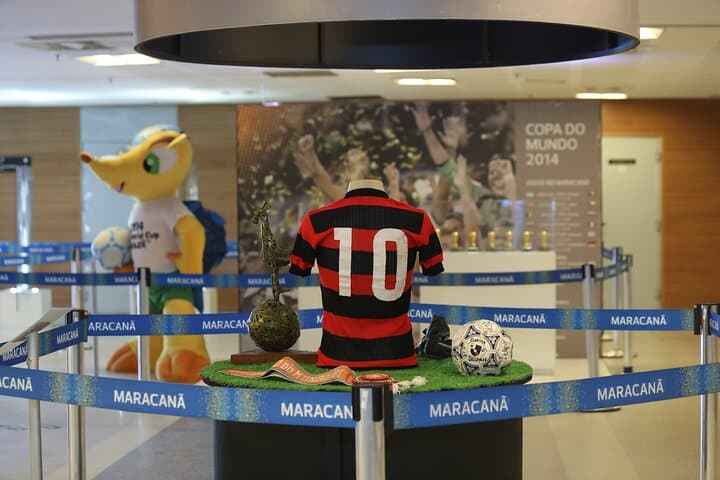
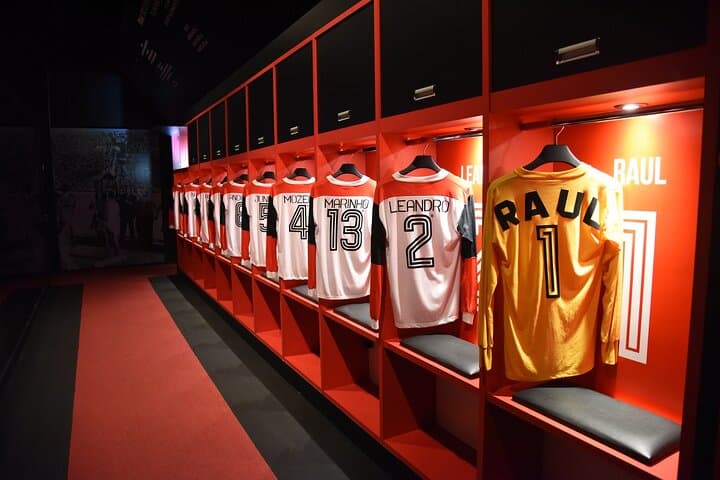
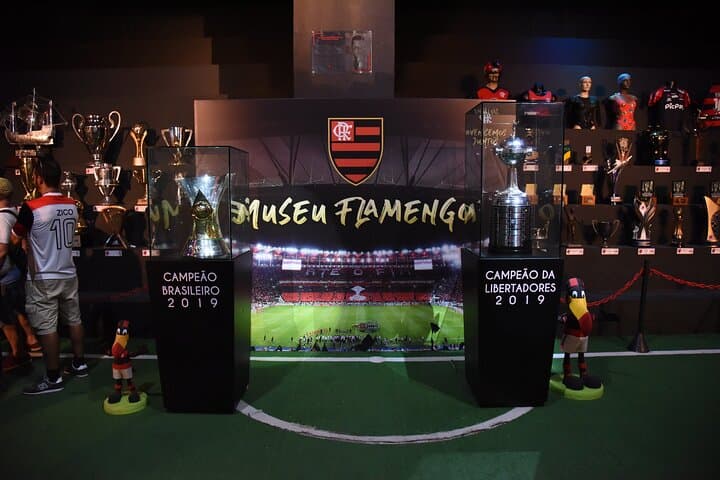
Opened for the 1950 FIFA World Cup, Maracanã has been a stage for national triumphs and heartbreaks. Across town in Gávea, Clube de Regatas do Flamengo began as a rowing club in the 1890s and grew into Brazil’s most supported football institution; its museum preserves shirts, recordings and the locker-room artifacts of the 1981 Intercontinental Cup champions.
The route mixes indoor and outdoor moments—stadium ramps, press rooms and the museum galleries—so expect varied surfaces and plenty of walking. Cultural context matters: football here is social currency, and club identity is taken seriously; Flamengo’s headquarters enforces a strict no-rival-shirt rule for visitors.
Practical guidance: arrive early to beat crowds and use Rio’s metro to avoid match-day congestion. Bring a charged camera, a small daypack, and ID for ticketing. Tours run about six hours with bilingual guides and include entry to the museum and both stadium and club areas. Note limited luggage space and follow museum rules on photography near fragile exhibits.
This tour is for anyone curious about Brazil’s football culture—whether you want tactical lore, historic jerseys, or simply the reverberating atmosphere of one of the sport’s great arenas.
easy.
6 hours.
Suitable for most fitness levels; expect several flights of stairs and walking between venues.
Yes—this tour includes admission to Maracanã, Flamengo headquarters and the Flamengo Museum as part of the itinerary.
Large luggage is discouraged and may be refused; bring only a small daypack—security checks are standard.
Maracanã and the museum have accessible routes, but some historic areas use stairs—notify the operator in advance to arrange accommodations.
Bilingual guides are provided, but language availability can vary—confirm at booking if you require a specific language.
Maracanã opened in 1950 for the FIFA World Cup; Clube de Regatas do Flamengo began as a rowing club in 1895 and evolved into Brazil’s most popular football team.
Visitors are encouraged to use public transit to reduce traffic around match days and to respect museum preservation rules—avoid touching exhibits and dispose of waste in designated bins.
Tangol operates guided outdoor trips and adventures with an emphasis on safety, stewardship, and memorable experiences.
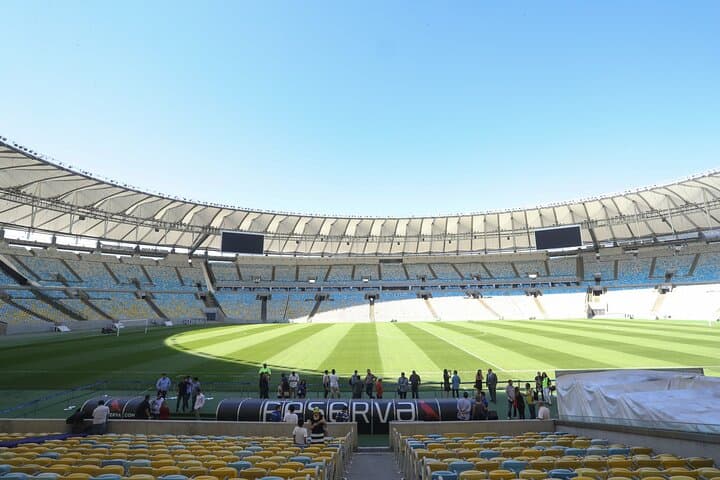
You step under the concrete ribs of Maracanã and the city’s pulse shifts—echoes of chants and the thud of boots feel embedded in the stands. Sunlight slices between tiers as a guide points to the plaque marking Brazil’s World Cup history; the turf smells of cut grass and old victories.
You step under the concrete ribs of Maracanã and the city’s pulse shifts—echoes of chants and the thud of boots feel embedded in the stands. Sunlight slices between tiers as a guide points to the plaque marking Brazil’s World Cup history; the turf smells of cut grass and old victories.
Opened for the 1950 FIFA World Cup, Maracanã has been a stage for national triumphs and heartbreaks. Across town in Gávea, Clube de Regatas do Flamengo began as a rowing club in the 1890s and grew into Brazil’s most supported football institution; its museum preserves shirts, recordings and the locker-room artifacts of the 1981 Intercontinental Cup champions.
The route mixes indoor and outdoor moments—stadium ramps, press rooms and the museum galleries—so expect varied surfaces and plenty of walking. Cultural context matters: football here is social currency, and club identity is taken seriously; Flamengo’s headquarters enforces a strict no-rival-shirt rule for visitors.
Practical guidance: arrive early to beat crowds and use Rio’s metro to avoid match-day congestion. Bring a charged camera, a small daypack, and ID for ticketing. Tours run about six hours with bilingual guides and include entry to the museum and both stadium and club areas. Note limited luggage space and follow museum rules on photography near fragile exhibits.
This tour is for anyone curious about Brazil’s football culture—whether you want tactical lore, historic jerseys, or simply the reverberating atmosphere of one of the sport’s great arenas.