THE ADVENTURE COLLECTIVE® · Independent discovery and booking for outdoor travel

Catch your first Atlantic waves with guided surf lessons around Lagos. Small-group coaching, wetsuit and board included, and local instructors tailor the beach choice to the day's swell and wind.
Catch your first Atlantic waves with guided surf lessons around Lagos. Small-group coaching, wetsuit and board included, and local instructors tailor the beach choice to the day's swell and wind.
Salt air and the Atlantic swell announce themselves long before you reach the sand — a low, steady percussion against limestone cliffs and postcard beaches. In Lagos, a surf school picks the morning spot based on tide and wind, unloading boards and wetsuits while instructors talk currents and safety. The lesson moves from a shore-side warm-up and dry pop-up drills to guided paddling and short, coached rides on forgiving beach breaks.
Verified experiences and guided adventures in the surrounding area.
Operated by Salty Wave Surf School · Lagos, Faro District
Salt air and the Atlantic swell announce themselves long before you reach the sand — a low, steady percussion against limestone cliffs and postcard beaches. In Lagos, a surf school picks the morning spot based on tide and wind, unloading boards and wetsuits while instructors talk currents and safety. The lesson moves from a shore-side warm-up and dry pop-up drills to guided paddling and short, coached rides on forgiving beach breaks.
Lagos sits on Algarve's western edge, shaped by marine limestone and wave-cut platforms. The coast carries centuries of maritime history — ships left these shores during Portugal’s Age of Discovery — and today small fishing boats and surf vans share the same ribbons of asphalt. Portuguese surf culture here is practical and relaxed: friendly instructors, an emphasis on safety, and plenty of fresh seafood for post-session refuel.
Expect a 2.5-hour in-water session within a roughly 4–4.5 hour pickup-to-dropoff window. Groups are small (instructor-to-student ratios vary) and equipment — wetsuits, boards, leashes — is supplied. Beginners typically practice pop-ups on sand, learn to read a breaking wave, and attempt their first rides on gentle closeouts. Ocean conditions change fast: winds, tide, and swell determine the best beach each day.
Practical tips: arrive hydrated, wear a swimsuit under your suit, and be blunt about any medical issues. Mornings often bring cleaner waves; late afternoon can be windier. Respect local line-ups, follow your instructor, and leave the beach as you found it — algae, shells and sand are part of the coastal system.
moderate.
4–4.5 hours (approx.).
Moderate — should be comfortable paddling, treading water, and doing repeated pop-up drills.
No — lessons are designed for beginners; instructors start with safety, paddling technique, and pop-up practice on sand before entering the water.
Most schools provide wetsuit, board and leash; bring a swimsuit, towel, water and reef-safe sunscreen.
You should be a competent swimmer; lessons require treading water and paddling — discuss concerns with the school before booking.
Instructors select a beach based on wind, tide and swell to ensure learner-friendly, shoulder-to-head high waves when possible.
Lagos was a launching point in Portugal’s Age of Discovery; the coastline’s harbors and cliffs have supported fishing and maritime trade for centuries.
Choose reef-safe sunscreen, avoid disturbing intertidal zones, and follow instructors’ guidance to minimize erosion and marine disturbance.
Salty Wave Surf School operates guided outdoor trips and adventures with an emphasis on safety, stewardship, and memorable experiences.
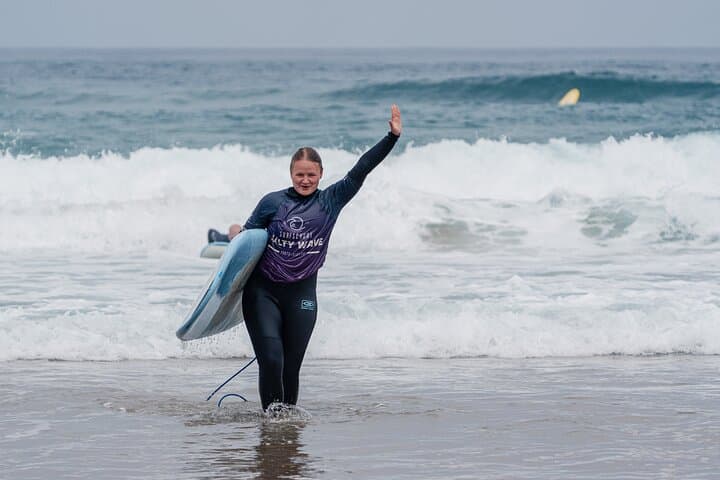
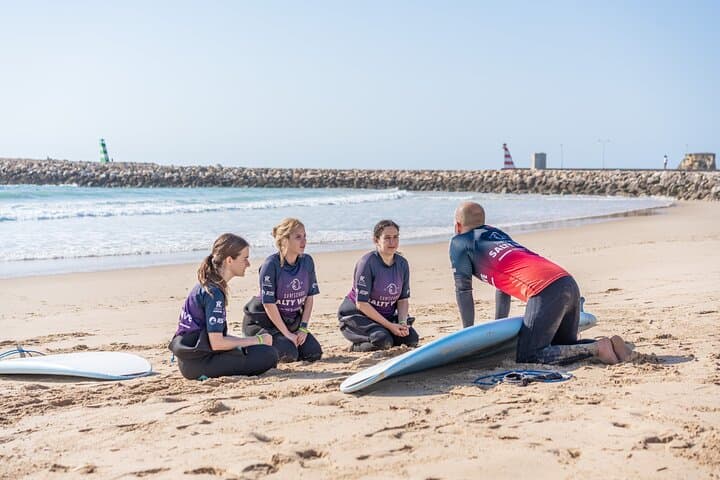
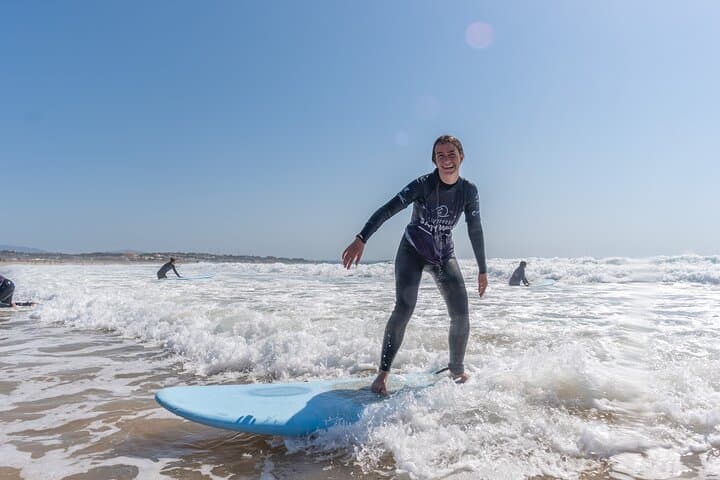
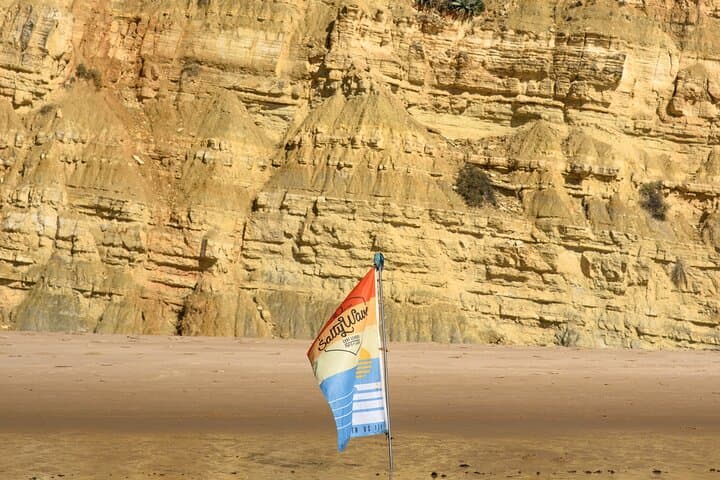
Salt air and the Atlantic swell announce themselves long before you reach the sand — a low, steady percussion against limestone cliffs and postcard beaches. In Lagos, a surf school picks the morning spot based on tide and wind, unloading boards and wetsuits while instructors talk currents and safety. The lesson moves from a shore-side warm-up and dry pop-up drills to guided paddling and short, coached rides on forgiving beach breaks.
Salt air and the Atlantic swell announce themselves long before you reach the sand — a low, steady percussion against limestone cliffs and postcard beaches. In Lagos, a surf school picks the morning spot based on tide and wind, unloading boards and wetsuits while instructors talk currents and safety. The lesson moves from a shore-side warm-up and dry pop-up drills to guided paddling and short, coached rides on forgiving beach breaks.
Lagos sits on Algarve's western edge, shaped by marine limestone and wave-cut platforms. The coast carries centuries of maritime history — ships left these shores during Portugal’s Age of Discovery — and today small fishing boats and surf vans share the same ribbons of asphalt. Portuguese surf culture here is practical and relaxed: friendly instructors, an emphasis on safety, and plenty of fresh seafood for post-session refuel.
Expect a 2.5-hour in-water session within a roughly 4–4.5 hour pickup-to-dropoff window. Groups are small (instructor-to-student ratios vary) and equipment — wetsuits, boards, leashes — is supplied. Beginners typically practice pop-ups on sand, learn to read a breaking wave, and attempt their first rides on gentle closeouts. Ocean conditions change fast: winds, tide, and swell determine the best beach each day.
Practical tips: arrive hydrated, wear a swimsuit under your suit, and be blunt about any medical issues. Mornings often bring cleaner waves; late afternoon can be windier. Respect local line-ups, follow your instructor, and leave the beach as you found it — algae, shells and sand are part of the coastal system.