THE ADVENTURE COLLECTIVE® · Independent discovery and booking for outdoor travel

Catch your first wave on Grande-Terre with a one-hour surf initiation led by a French Surfing Federation instructor. This compact, safety-focused lesson is ideal for beginners seeking a fast, confident start in Guadeloupe’s gentle beach breaks.
Catch your first wave on Grande-Terre with a one-hour surf initiation led by a French Surfing Federation instructor. This compact, safety-focused lesson is ideal for beginners seeking a fast, confident start in Guadeloupe’s gentle beach breaks.
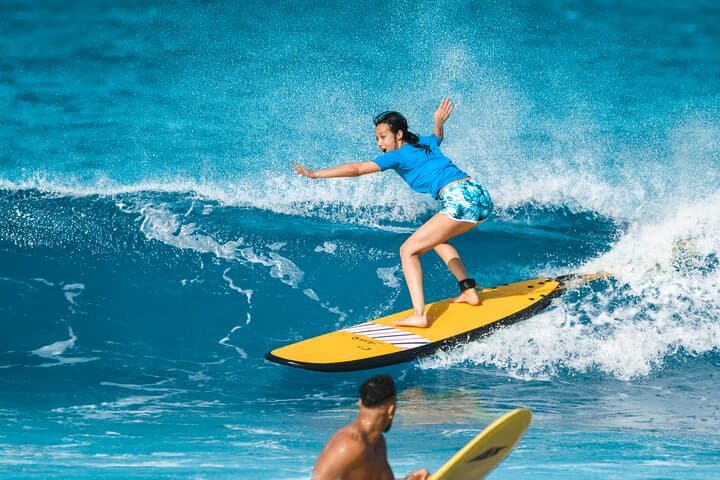
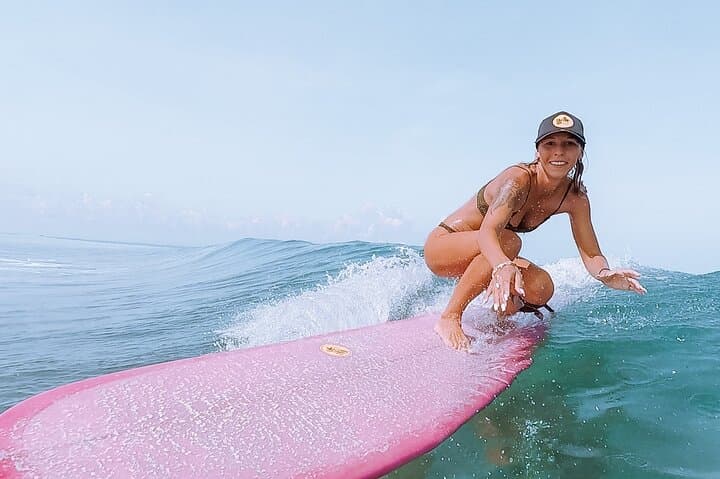
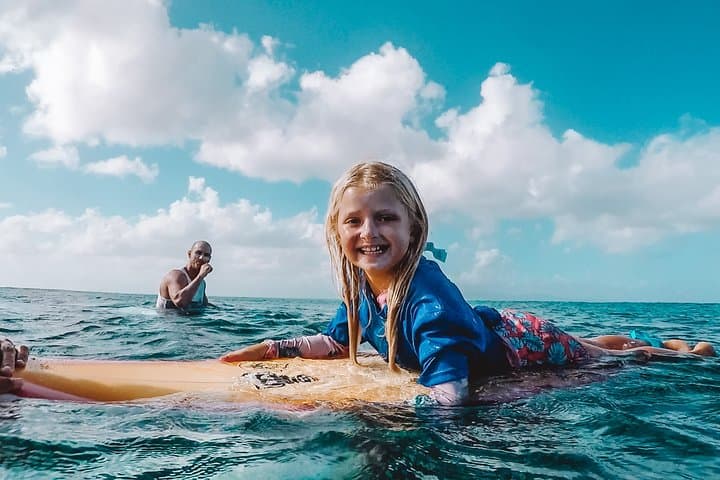
The ocean in Grande-Terre opens like a challenge: a turquoise apron of shallow reef and forgiving beach breaks that push a beginner off the sand and toward the horizon.
Verified experiences and guided adventures in the surrounding area.
Operated by JCK surfcoach ecole de surf Guadeloupe · Sainte-Anne, Guadeloupe
The ocean in Grande-Terre opens like a challenge: a turquoise apron of shallow reef and forgiving beach breaks that push a beginner off the sand and toward the horizon.
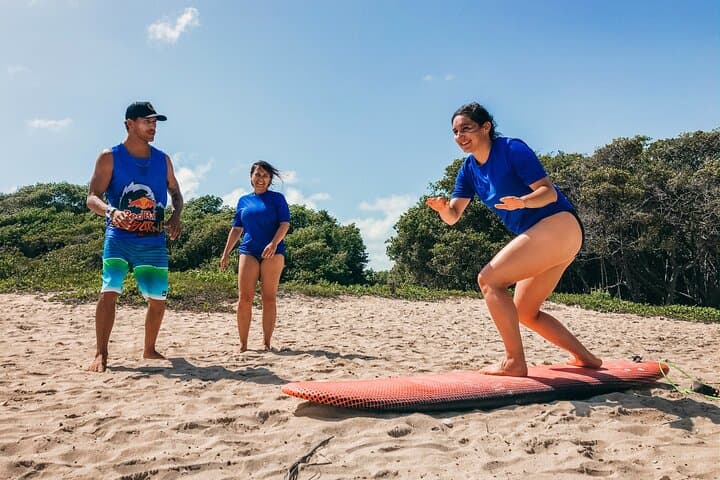
On a typical lesson you meet the sea close to shore — wind combing the palms, reef hummed by the tide — and a certified French Surfing Federation instructor walks you through posture, paddling, and the momentary thrill of catching your first whitewater wave. Guadeloupe’s surf culture is young and practical; locals mix Creole warmth with sea-wise skill passed down through island competitions and beach habits.
Geologically the islands are volcanic, but Grande-Terre is built of uplifted limestone and coral — that shapes the gentle, predictable breaks here. Historically the beaches near Sainte-Anne and Le Gosier were fishing and bathing grounds long before surfboards arrived; today they host itinerant schools that follow the best daily conditions around the coast.
Expect compact groups (often eight or fewer), foam or beginner boards, and basic safety briefings. Lessons prioritize wave selection over long rides: the goal is timing and confidence rather than big turns. Bring reef-safe sunscreen and a willingness to get back on the board after a spill.
Practical guidance: arrive 20–30 minutes early for fitting and warm-up, wear snug swimwear or boardshorts, and plan lessons in morning or late afternoon when winds are lighter. If you have concerns about reefs or currents, ask the instructor for a sheltered spot. One hour is concise but focused — perfect as a first step toward island surfing.
easy.
1 hour.
Suitable for most fitness levels; basic swimming ability and comfort in shallow surf recommended.
No — lessons are designed for complete beginners; the instructor will teach basics from paddling to standing.
Lesson packages typically include a qualified instructor, board, leash, rashguard, insurance, and sometimes reef shoes.
Basic swimming comfort is recommended; instructors use shallow, controlled zones but non-swimmers should inform staff and consider private lessons.
Lessons often cancel or reschedule in unsafe conditions; check the operator’s policy and plan to cancel at least 24 hours ahead for a full refund.
Grande-Terre’s shoreline sits on uplifted limestone and coral; modern surf culture arrived through local clubs and competitions led by island champions in the late 20th century.
Avoid standing on coral and use reef-safe sunscreen — several local operators support marine park rules and seagrass protection to reduce impact.
JCK surfcoach ecole de surf Guadeloupe operates guided outdoor trips and adventures with an emphasis on safety, stewardship, and memorable experiences.
The ocean in Grande-Terre opens like a challenge: a turquoise apron of shallow reef and forgiving beach breaks that push a beginner off the sand and toward the horizon.
The ocean in Grande-Terre opens like a challenge: a turquoise apron of shallow reef and forgiving beach breaks that push a beginner off the sand and toward the horizon.
On a typical lesson you meet the sea close to shore — wind combing the palms, reef hummed by the tide — and a certified French Surfing Federation instructor walks you through posture, paddling, and the momentary thrill of catching your first whitewater wave. Guadeloupe’s surf culture is young and practical; locals mix Creole warmth with sea-wise skill passed down through island competitions and beach habits.
Geologically the islands are volcanic, but Grande-Terre is built of uplifted limestone and coral — that shapes the gentle, predictable breaks here. Historically the beaches near Sainte-Anne and Le Gosier were fishing and bathing grounds long before surfboards arrived; today they host itinerant schools that follow the best daily conditions around the coast.
Expect compact groups (often eight or fewer), foam or beginner boards, and basic safety briefings. Lessons prioritize wave selection over long rides: the goal is timing and confidence rather than big turns. Bring reef-safe sunscreen and a willingness to get back on the board after a spill.
Practical guidance: arrive 20–30 minutes early for fitting and warm-up, wear snug swimwear or boardshorts, and plan lessons in morning or late afternoon when winds are lighter. If you have concerns about reefs or currents, ask the instructor for a sheltered spot. One hour is concise but focused — perfect as a first step toward island surfing.