THE ADVENTURE COLLECTIVE® · Independent discovery and booking for outdoor travel

Spend a morning learning basic scuba skills in a shallow pool, then join two guided dives off Nusa Penida where manta rays commonly feed. This 4-hour try-dive pairs structured instruction with one of the world’s most reliable manta encounters.
Spend a morning learning basic scuba skills in a shallow pool, then join two guided dives off Nusa Penida where manta rays commonly feed. This 4-hour try-dive pairs structured instruction with one of the world’s most reliable manta encounters.
The morning light off Nusa Penida slices the sea into a palette of deep blue and turquoise as the skiff eases away from Toya Pakeh. Salt and diesel mix on the breeze while instructors check regulators and point toward the dive site where manta rays often glide like living kites. On a try-dive here you’ll start with a 45-minute shallow pool session around 08:00 to master breathing and basic skills, then head out for two guided dives with a 1:2 instructor-to-student ratio — the program typically finishes around 14:00.
Verified experiences and guided adventures in the surrounding area.
Operated by Sanctum Dive Nusa Penida · Toya Pakeh, Bali
The morning light off Nusa Penida slices the sea into a palette of deep blue and turquoise as the skiff eases away from Toya Pakeh. Salt and diesel mix on the breeze while instructors check regulators and point toward the dive site where manta rays often glide like living kites. On a try-dive here you’ll start with a 45-minute shallow pool session around 08:00 to master breathing and basic skills, then head out for two guided dives with a 1:2 instructor-to-student ratio — the program typically finishes around 14:00.
Geology and currents shape this stretch of ocean: steep volcanic drop-offs and coral bommies carved by strong tidal flows create feeding stations where plankton concentrates and mantas congregate. Nusa Penida’s human history is layered too — small fishing villages and Hindu temples on the cliffs speak to an island culture that has long lived with the sea’s moods. Local guides know how to read the currents and schedule dives for the slack tides when sightings are most likely.
Practically, expect boat transfers, full scuba kit provided, snacks, lunch, and coffee; bring swimwear, sun protection, and a positive attitude. Fitness should be moderate: you’ll handle short surface swims and brief water entries. Briefings cover safety, hand signals, and low-impact behavior around wildlife — mantas deserve respectful distance. Be ready for choppy crossings and strong currents; the underwater choreography is thrilling but demands calm, controlled breathing. For first-time divers, this try-dive balances high reward (close manta encounters) with structured instruction, making Nusa Penida one of the few places where non-certified divers can reliably meet these giants.
moderate.
4 hours.
Moderate fitness — comfortable with snorkeling and short surface swims; able to follow breathing and safety instructions.
No — this is a non-certified try-dive program with a pool orientation and instructor supervision at a 1:2 ratio.
Manta sightings at designated Nusa Penida sites are very common, and this operator schedules dives at high-probability times, though sightings can’t be absolutely guaranteed.
The typical price includes pool training, two guided dives, full scuba equipment, boat transfers, drinks, snacks, and lunch.
Travelers with cardiovascular or certain medical conditions should not dive; a moderate fitness level is required and you may be asked to complete a medical declaration.
Nusa Penida has a long maritime tradition and local Hindu temples on the cliffs reflect cultural ties between the island and Bali; fishing and small-scale tourism are longstanding livelihoods.
Local dive operators emphasize no-touch policies and use of reef-safe products; avoid feeding wildlife and follow briefings to minimize impact on coral and manta feeding behavior.
Sanctum Dive Nusa Penida operates guided outdoor trips and adventures with an emphasis on safety, stewardship, and memorable experiences.
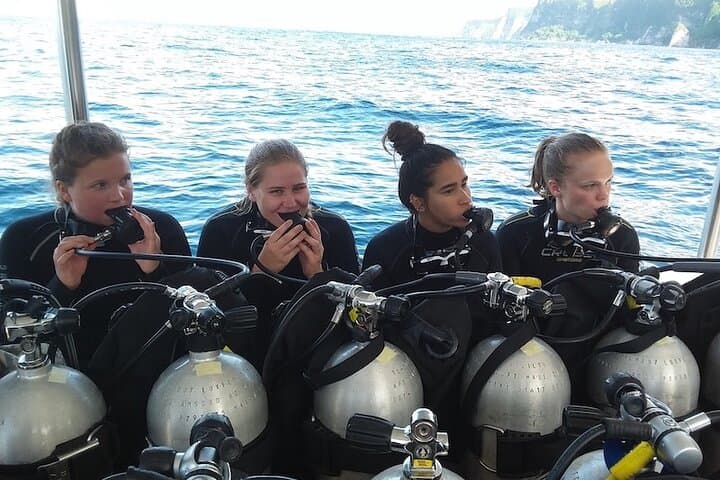
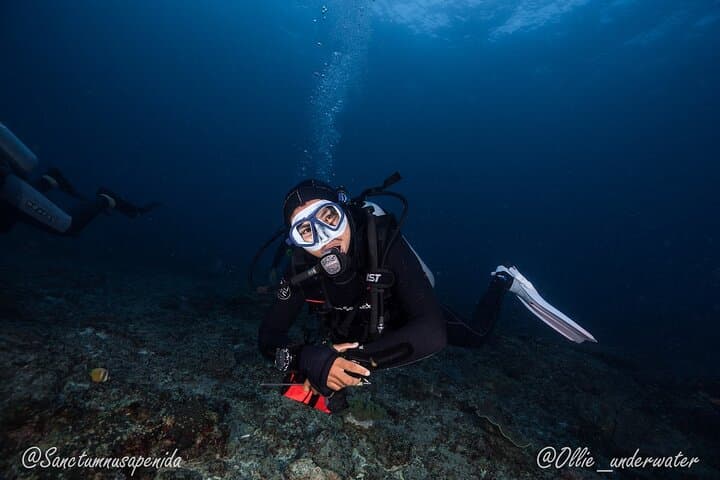
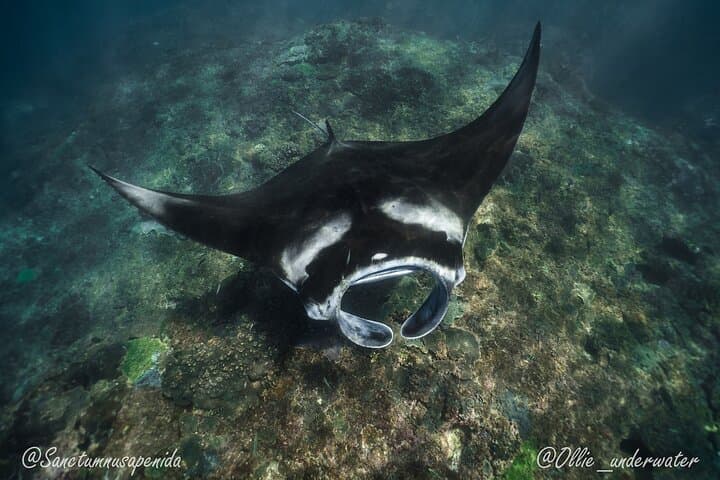
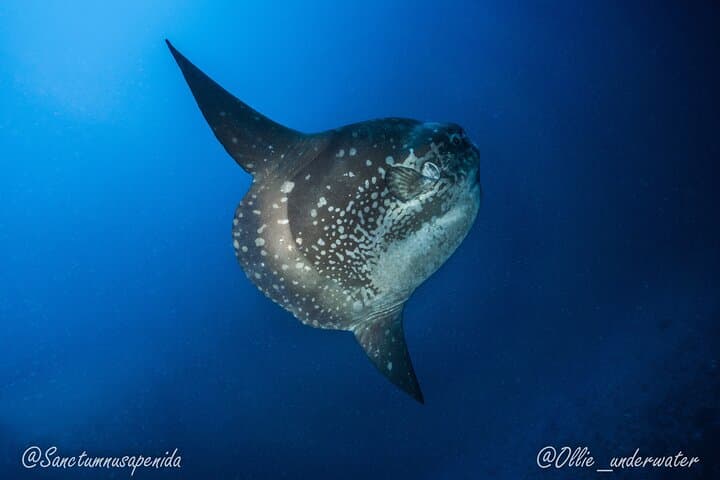
The morning light off Nusa Penida slices the sea into a palette of deep blue and turquoise as the skiff eases away from Toya Pakeh. Salt and diesel mix on the breeze while instructors check regulators and point toward the dive site where manta rays often glide like living kites. On a try-dive here you’ll start with a 45-minute shallow pool session around 08:00 to master breathing and basic skills, then head out for two guided dives with a 1:2 instructor-to-student ratio — the program typically finishes around 14:00.
The morning light off Nusa Penida slices the sea into a palette of deep blue and turquoise as the skiff eases away from Toya Pakeh. Salt and diesel mix on the breeze while instructors check regulators and point toward the dive site where manta rays often glide like living kites. On a try-dive here you’ll start with a 45-minute shallow pool session around 08:00 to master breathing and basic skills, then head out for two guided dives with a 1:2 instructor-to-student ratio — the program typically finishes around 14:00.
Geology and currents shape this stretch of ocean: steep volcanic drop-offs and coral bommies carved by strong tidal flows create feeding stations where plankton concentrates and mantas congregate. Nusa Penida’s human history is layered too — small fishing villages and Hindu temples on the cliffs speak to an island culture that has long lived with the sea’s moods. Local guides know how to read the currents and schedule dives for the slack tides when sightings are most likely.
Practically, expect boat transfers, full scuba kit provided, snacks, lunch, and coffee; bring swimwear, sun protection, and a positive attitude. Fitness should be moderate: you’ll handle short surface swims and brief water entries. Briefings cover safety, hand signals, and low-impact behavior around wildlife — mantas deserve respectful distance. Be ready for choppy crossings and strong currents; the underwater choreography is thrilling but demands calm, controlled breathing. For first-time divers, this try-dive balances high reward (close manta encounters) with structured instruction, making Nusa Penida one of the few places where non-certified divers can reliably meet these giants.