THE ADVENTURE COLLECTIVE® · Independent discovery and booking for outdoor travel

Take your first breaths underwater in West Maui on a guided shore dive suited for beginners. Expect clear visibility, frequent turtle sightings, and hands-on instruction from PADI-certified guides.
Take your first breaths underwater in West Maui on a guided shore dive suited for beginners. Expect clear visibility, frequent turtle sightings, and hands-on instruction from PADI-certified guides.
You step off the black lava shoreline and into water the color of polished glass; the reef drops away and the ocean reaches up to meet you. In West Maui the current can nudge you along like a polite guide as honu (green sea turtles) cruise past and bright reef fish scatter through stands of branching coral. The visibility here often stretches 30–60 feet on calm days, making shore-entry dives an ideal first breath underwater.
Verified experiences and guided adventures in the surrounding area.
Operated by Aloha Maui Diving · Lahaina, Hawaii
You step off the black lava shoreline and into water the color of polished glass; the reef drops away and the ocean reaches up to meet you. In West Maui the current can nudge you along like a polite guide as honu (green sea turtles) cruise past and bright reef fish scatter through stands of branching coral. The visibility here often stretches 30–60 feet on calm days, making shore-entry dives an ideal first breath underwater.
West Maui’s reefs are products of recent volcanic flows and long marine growth—lava substrates covered in hard corals, pockets of sand and bommies that shelter moray eels and octopus. The area has cultural ties to Hawaiian fishing communities and, in recent years, local dive operators have stepped up reef stewardship and restoration after regional wildfires and tourism impacts. Expect to see white-tip reef sharks, eagle rays, nudibranchs, and patch reefs that reward close, slow observation.
Practically: this is a guided shore dive aimed at beginners, typically a 2-hour outing with PADI-certified instructors. You’ll don full scuba gear on shore, practice basic skills in shallow water, then follow your guide along the reef. Bring a medical waiver, be prepared to carry roughly 40–50 lbs of gear, and avoid flying or going above 1,000 ft for 12 hours after diving. Footwear for rocky entry, reef-safe sunscreen, and a calm mindset will make the experience smoother.
Dive Aloha is both an introduction to scuba and a gateway to Maui’s underwater neighborhoods—respect the reef, listen to your instructor, and the ocean will open its doors.
moderate.
2 hours.
Moderate fitness — you should be comfortable swimming and able to carry ~40–50 lbs during entry/exit.
No — this shore dive is designed for beginners with PADI-certified instructors who teach basic skills; certified divers are also welcome.
Participants must be in good cardiovascular health and not pregnant; children must meet operator age requirements and all divers must complete a medical waiver.
Common sightings include green sea turtles (honu), white-tip reef sharks, moray eels, eagle rays, nudibranchs and a variety of reef fish.
No — follow the operator’s guideline to avoid flying or going above 1,000 ft for at least 12 hours after diving to reduce decompression risk.
West Maui’s reefs form over lava flows and have long supported Hawaiian fishing practices; modern operators often partner with local stewardship efforts after recent wildfire impacts.
Use reef‑safe sunscreen, avoid touching coral or anchoring on reefs, and support operators that contribute to local restoration projects.
Aloha Maui Diving operates guided outdoor trips and adventures with an emphasis on safety, stewardship, and memorable experiences.
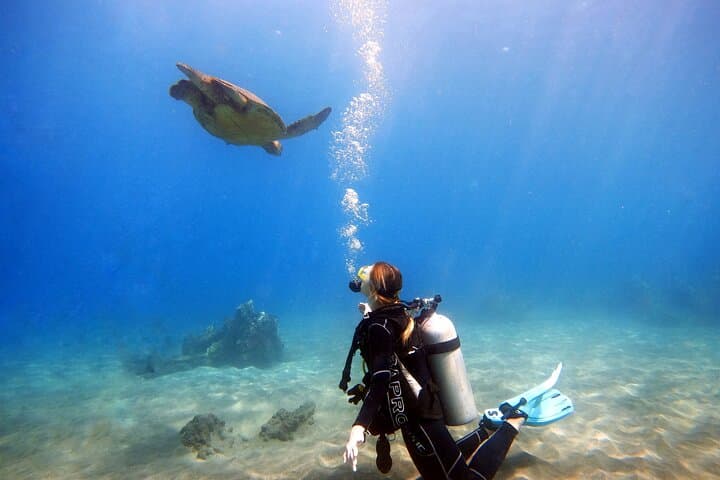
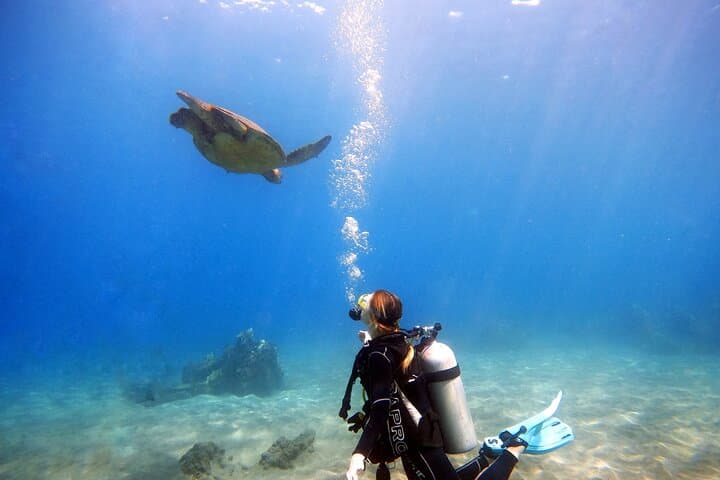
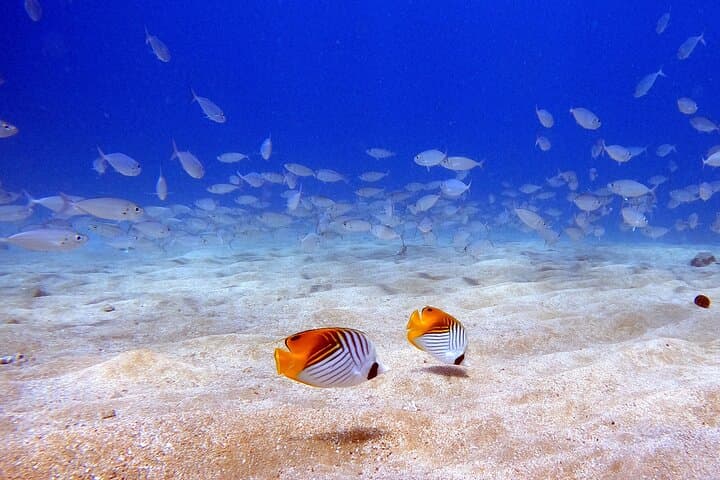
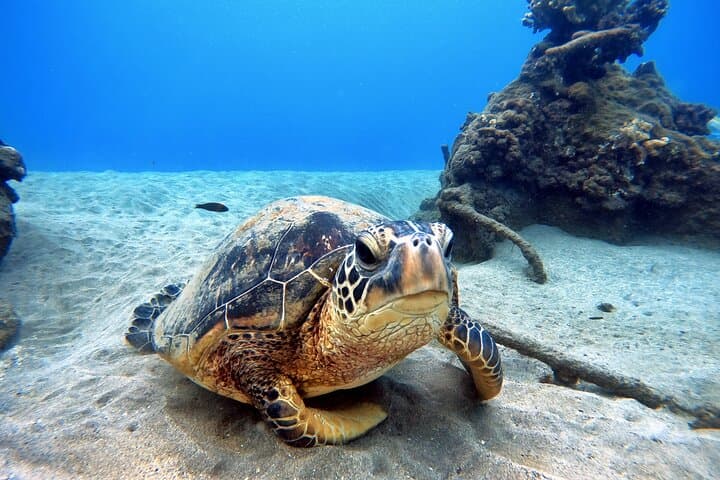
You step off the black lava shoreline and into water the color of polished glass; the reef drops away and the ocean reaches up to meet you. In West Maui the current can nudge you along like a polite guide as honu (green sea turtles) cruise past and bright reef fish scatter through stands of branching coral. The visibility here often stretches 30–60 feet on calm days, making shore-entry dives an ideal first breath underwater.
You step off the black lava shoreline and into water the color of polished glass; the reef drops away and the ocean reaches up to meet you. In West Maui the current can nudge you along like a polite guide as honu (green sea turtles) cruise past and bright reef fish scatter through stands of branching coral. The visibility here often stretches 30–60 feet on calm days, making shore-entry dives an ideal first breath underwater.
West Maui’s reefs are products of recent volcanic flows and long marine growth—lava substrates covered in hard corals, pockets of sand and bommies that shelter moray eels and octopus. The area has cultural ties to Hawaiian fishing communities and, in recent years, local dive operators have stepped up reef stewardship and restoration after regional wildfires and tourism impacts. Expect to see white-tip reef sharks, eagle rays, nudibranchs, and patch reefs that reward close, slow observation.
Practically: this is a guided shore dive aimed at beginners, typically a 2-hour outing with PADI-certified instructors. You’ll don full scuba gear on shore, practice basic skills in shallow water, then follow your guide along the reef. Bring a medical waiver, be prepared to carry roughly 40–50 lbs of gear, and avoid flying or going above 1,000 ft for 12 hours after diving. Footwear for rocky entry, reef-safe sunscreen, and a calm mindset will make the experience smoother.
Dive Aloha is both an introduction to scuba and a gateway to Maui’s underwater neighborhoods—respect the reef, listen to your instructor, and the ocean will open its doors.