THE ADVENTURE COLLECTIVE® · Independent discovery and booking for outdoor travel

Learn samba basics in a focused 60‑minute class led by a carnival queen in central Rio. Expect rhythm drills, practical technique, and a short choreography with photos.
Learn samba basics in a focused 60‑minute class led by a carnival queen in central Rio. Expect rhythm drills, practical technique, and a short choreography with photos.
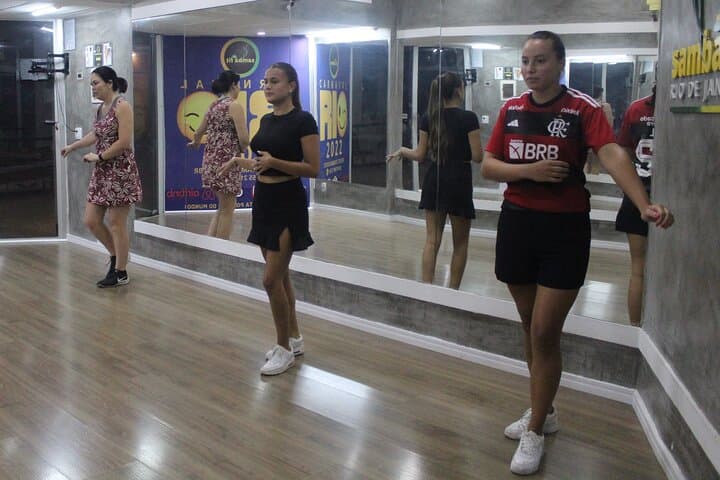
Stepping into a samba studio in Rio, the room answers before you do: a pulse of surdo and tamborim, polished floorboards warm from the sun, and a carnival queen at the front who moves like the city’s rhythm made visible.
Verified experiences and guided adventures in the surrounding area.
Operated by samba fit · Rio de Janeiro, Rio de Janeiro
Stepping into a samba studio in Rio, the room answers before you do: a pulse of surdo and tamborim, polished floorboards warm from the sun, and a carnival queen at the front who moves like the city’s rhythm made visible.
The hour focuses on basic samba steps and posture drawn from samba de roda and the samba schools that shaped Rio’s carnival culture. Samba’s roots trace to Afro-Brazilian communities from the 19th century; in Rio it evolved in neighborhoods and bloco groups into the competitive parade traditions seen every February.
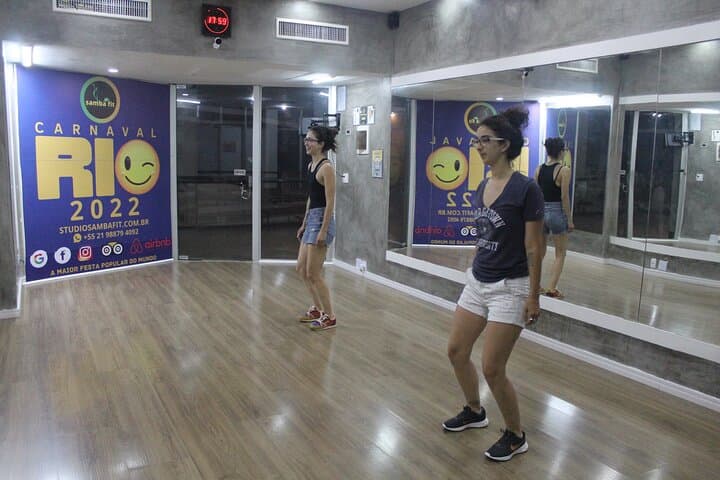
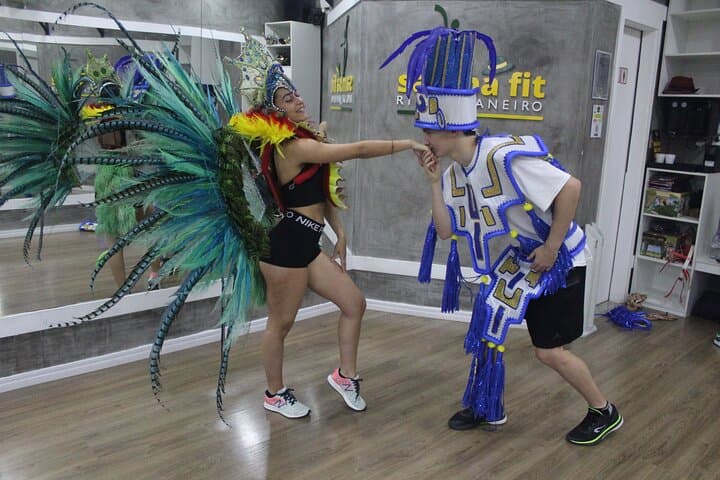
The city’s geology—granite outcrops, coastal breeze from the Atlantic—shapes how Cariocas dance outdoors at street parties, using firm pavement and open plazas. In a studio setting the work is about timing, hip and shoulder isolation, and learning how movement partners the drum. Expect instruction that blends history, practical drills, and a chance to don carnival costume elements for photos when available.
Practical guidance: arrive in light, breathable clothing and flat-soled shoes with grip, and bring a water bottle; the lesson is physically paced and lasts 60 minutes. Classes accept all levels but require moderate fitness and stamina. Photography and costume handling are usually permitted; follow the instructor’s cues and handle any costume pieces respectfully. Public transport serves central Rio well—plan 30–45 minutes for travel time from the main hotel zones. The final minutes are for group photos and a short choreography run-through: a compact, energetic taste of why samba still propels Rio’s social life.
moderate.
1 hour.
Moderate cardio and coordination; comfortable standing and moving for an hour.
No; the class is tailored to beginners and progresses through simple steps and timing exercises.
Some classes include costume elements for photos—follow the instructor’s rules and be respectful with props.
This activity is not recommended for pregnant travelers or people with cardiovascular issues; consult with the operator before booking.
Public transport and short taxi rides connect the main neighborhoods to central Rio; allow 30–45 minutes depending on traffic and time of day.
Samba developed in Rio from Afro-Brazilian musical traditions in the late 19th and early 20th centuries and became central to the city’s carnival schools and street parties.
Respect cultural heritage by following costume care rules and minimizing single‑use plastics; support local instructors to keep traditions economically sustainable.
samba fit operates guided outdoor trips and adventures with an emphasis on safety, stewardship, and memorable experiences.

Stepping into a samba studio in Rio, the room answers before you do: a pulse of surdo and tamborim, polished floorboards warm from the sun, and a carnival queen at the front who moves like the city’s rhythm made visible.
Stepping into a samba studio in Rio, the room answers before you do: a pulse of surdo and tamborim, polished floorboards warm from the sun, and a carnival queen at the front who moves like the city’s rhythm made visible.
The hour focuses on basic samba steps and posture drawn from samba de roda and the samba schools that shaped Rio’s carnival culture. Samba’s roots trace to Afro-Brazilian communities from the 19th century; in Rio it evolved in neighborhoods and bloco groups into the competitive parade traditions seen every February.
The city’s geology—granite outcrops, coastal breeze from the Atlantic—shapes how Cariocas dance outdoors at street parties, using firm pavement and open plazas. In a studio setting the work is about timing, hip and shoulder isolation, and learning how movement partners the drum. Expect instruction that blends history, practical drills, and a chance to don carnival costume elements for photos when available.
Practical guidance: arrive in light, breathable clothing and flat-soled shoes with grip, and bring a water bottle; the lesson is physically paced and lasts 60 minutes. Classes accept all levels but require moderate fitness and stamina. Photography and costume handling are usually permitted; follow the instructor’s cues and handle any costume pieces respectfully. Public transport serves central Rio well—plan 30–45 minutes for travel time from the main hotel zones. The final minutes are for group photos and a short choreography run-through: a compact, energetic taste of why samba still propels Rio’s social life.