THE ADVENTURE COLLECTIVE® · Independent discovery and booking for outdoor travel

Spend a long weekend learning the essentials of sailing on a guided three-day course from Zadar. Practice sail handling, navigation, anchoring and safety while exploring the Kornati and Telašćica coastlines with an experienced skipper.
Spend a long weekend learning the essentials of sailing on a guided three-day course from Zadar. Practice sail handling, navigation, anchoring and safety while exploring the Kornati and Telašćica coastlines with an experienced skipper.
You step off the pier in Zadar with salt already on your lips and a breeze that seems to know your name. The instructors meet the group at the small marina by the INA gas station, and by midmorning lines are being coiled and fenders checked. Over three days the sea becomes both classroom and companion: the Adriatic pushes, tugs, and teaches—current and wind offering simple lessons that translate into confidence.
Verified experiences and guided adventures in the surrounding area.
Operated by Marlin sailing · Zadar, Zadar County
You step off the pier in Zadar with salt already on your lips and a breeze that seems to know your name. The instructors meet the group at the small marina by the INA gas station, and by midmorning lines are being coiled and fenders checked. Over three days the sea becomes both classroom and companion: the Adriatic pushes, tugs, and teaches—current and wind offering simple lessons that translate into confidence.
This course blends practical seamanship with a scenic route through the Zadar archipelago. On day one you learn the language of sails—points of sail, basic knots, and safe deck drills—close to the lee of Dugi Otok. Day two stretches farther: navigation basics, anchoring near Telašćica’s cliffs and its salt lake, and hands-on maneuvering among low-lying islets. By Sunday afternoon you’re returning to Zadar having practiced night mooring procedures, watch routines, and a few coastal navigation skills.
The coastline here is geologically young limestone—karst islands scoured into ragged cliffs and hidden coves. Zadar’s history as a Roman and later Venetian port shaped local maritime culture; small fishing hamlets, stone piers and narrow streets still reflect centuries of seafaring. The course includes two nights’ accommodation in Sali on Dugi Otok, giving you time to sleep close to the water and wake to gull calls and the clean, iodine-sweet air.
Practical contrasts with the poetry: this is a beginner-friendly program with skipper and fuel included, limited to small groups (around 8–10), and marked as physically easy. But don’t underestimate motion at sea—bring motion-sickness prevention and layers for wind and spray. The instructors emphasize safe, repeatable skills rather than advanced tactics; the goal is competence and a desire to sail again.
Timing matters. Weather in the Adriatic can flip—late spring and early fall give warm water, steadier winds, and fewer charter boats. Midday heat in July and August is intense on deck; mornings and late afternoons are the best windows for on-the-water practice.
If you leave with anything more than knots and charts, it’s a small, practical confidence: how to read a swell, how to trim a jib, and how a small crew moves like a single animal when the wind changes. For new sailors this course is both a vacation and a rooted step into coastal cruising—hands-on, clearly coached, and framed by one of Europe’s most accessible island chains.
easy.
3 days (approx. 72 hours).
Light to moderate fitness; able to climb in and out of dinghies and move on a pitching deck.
No—the course is designed for complete beginners and those with limited experience; instruction starts with basics and builds practically over three days.
Accommodations are provided in apartments in Sali on Dugi Otok for two nights as part of the program.
The tour is labeled physically easy and accepts a wide age range, but participants must be able to move on a boat; check with the operator for specific age rules.
Boat, skipper, fuel, two nights’ accommodation in Sali, and some port or national park fees are included—confirm exact inclusions when booking.
This beginner course teaches practical skills but does not automatically issue an international skipper license; it can prepare you for further certification courses.
Trips may be canceled or rescheduled for safety with full refund if canceled at least 24 hours before departure; instructors monitor sea conditions closely.
Zadar and the surrounding islands have been maritime crossroads since Roman and Venetian times; local fishing and stone-built ports reflect centuries of coastal craft traditions.
Kornati and Telašćica are protected areas—respect anchoring regulations and avoid dropping anchor in Posidonia seagrass; fees help fund park management.
Marlin sailing operates guided outdoor trips and adventures with an emphasis on safety, stewardship, and memorable experiences.
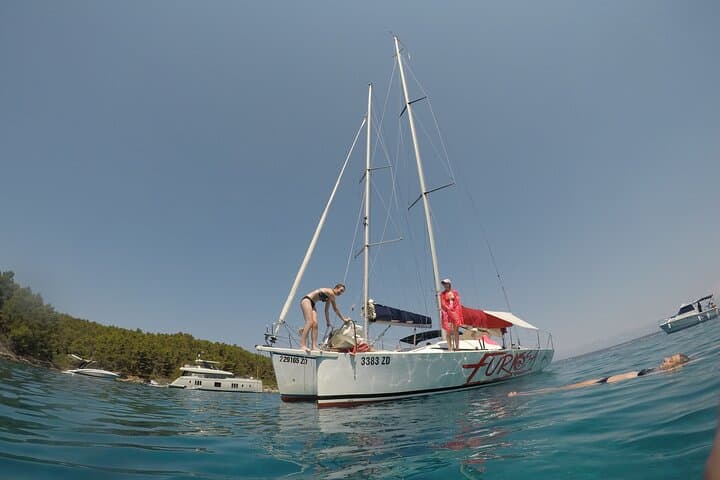
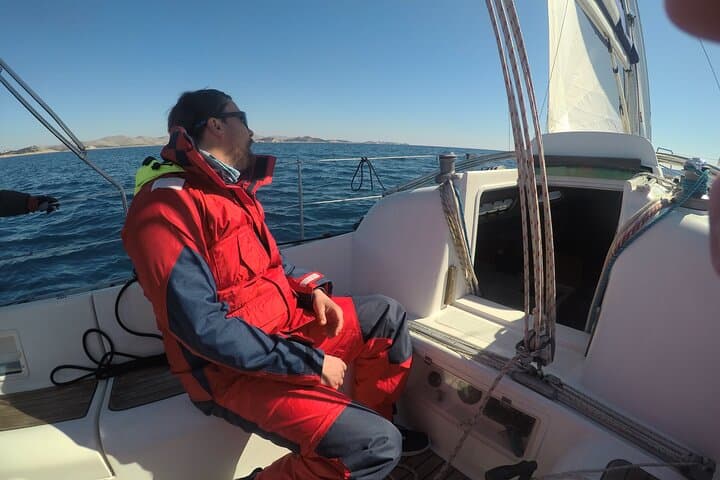
You step off the pier in Zadar with salt already on your lips and a breeze that seems to know your name. The instructors meet the group at the small marina by the INA gas station, and by midmorning lines are being coiled and fenders checked. Over three days the sea becomes both classroom and companion: the Adriatic pushes, tugs, and teaches—current and wind offering simple lessons that translate into confidence.
You step off the pier in Zadar with salt already on your lips and a breeze that seems to know your name. The instructors meet the group at the small marina by the INA gas station, and by midmorning lines are being coiled and fenders checked. Over three days the sea becomes both classroom and companion: the Adriatic pushes, tugs, and teaches—current and wind offering simple lessons that translate into confidence.
This course blends practical seamanship with a scenic route through the Zadar archipelago. On day one you learn the language of sails—points of sail, basic knots, and safe deck drills—close to the lee of Dugi Otok. Day two stretches farther: navigation basics, anchoring near Telašćica’s cliffs and its salt lake, and hands-on maneuvering among low-lying islets. By Sunday afternoon you’re returning to Zadar having practiced night mooring procedures, watch routines, and a few coastal navigation skills.
The coastline here is geologically young limestone—karst islands scoured into ragged cliffs and hidden coves. Zadar’s history as a Roman and later Venetian port shaped local maritime culture; small fishing hamlets, stone piers and narrow streets still reflect centuries of seafaring. The course includes two nights’ accommodation in Sali on Dugi Otok, giving you time to sleep close to the water and wake to gull calls and the clean, iodine-sweet air.
Practical contrasts with the poetry: this is a beginner-friendly program with skipper and fuel included, limited to small groups (around 8–10), and marked as physically easy. But don’t underestimate motion at sea—bring motion-sickness prevention and layers for wind and spray. The instructors emphasize safe, repeatable skills rather than advanced tactics; the goal is competence and a desire to sail again.
Timing matters. Weather in the Adriatic can flip—late spring and early fall give warm water, steadier winds, and fewer charter boats. Midday heat in July and August is intense on deck; mornings and late afternoons are the best windows for on-the-water practice.
If you leave with anything more than knots and charts, it’s a small, practical confidence: how to read a swell, how to trim a jib, and how a small crew moves like a single animal when the wind changes. For new sailors this course is both a vacation and a rooted step into coastal cruising—hands-on, clearly coached, and framed by one of Europe’s most accessible island chains.