THE ADVENTURE COLLECTIVE® · Independent discovery and booking for outdoor travel

Learn top-rope climbing and belay skills on Railay Beach’s famous limestone cliffs in a focused four-hour session. Ideal for first-timers, the tour includes gear, guides, and national park fees with optional Ao Nang pickup.
Learn top-rope climbing and belay skills on Railay Beach’s famous limestone cliffs in a focused four-hour session. Ideal for first-timers, the tour includes gear, guides, and national park fees with optional Ao Nang pickup.
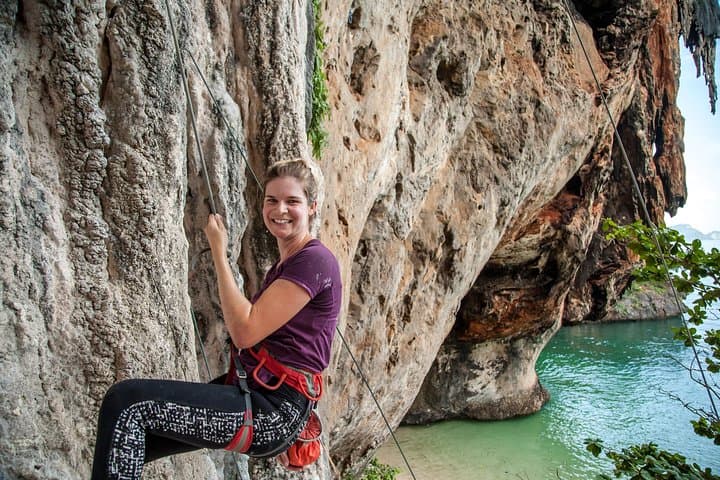
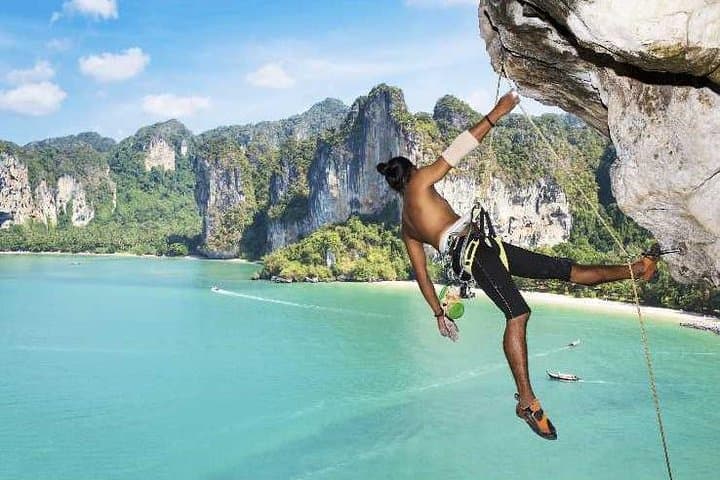
The limestone wall leans over the sandy shelf and seems to dare you to look up—vertical streaks of grey and honeycomb pockets that catch the sun while a longtail boat rocks patiently at the shoreline.
Verified experiences and guided adventures in the surrounding area.
Operated by Real Rocks Climbing School Outdoor Tours · Railay Beach, Krabi Province
The limestone wall leans over the sandy shelf and seems to dare you to look up—vertical streaks of grey and honeycomb pockets that catch the sun while a longtail boat rocks patiently at the shoreline.
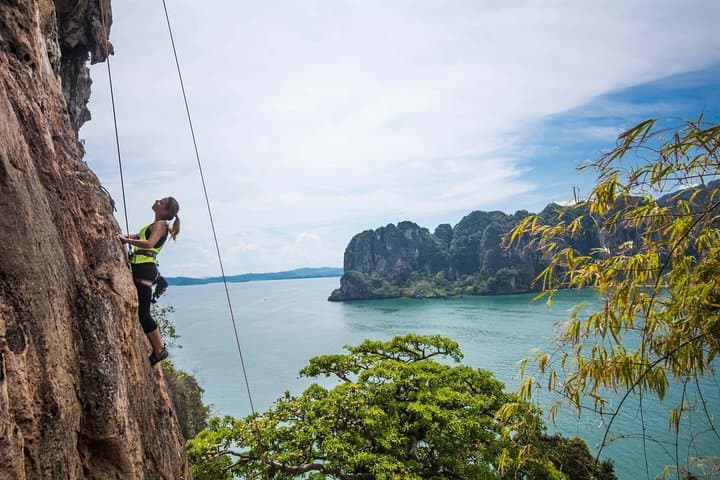
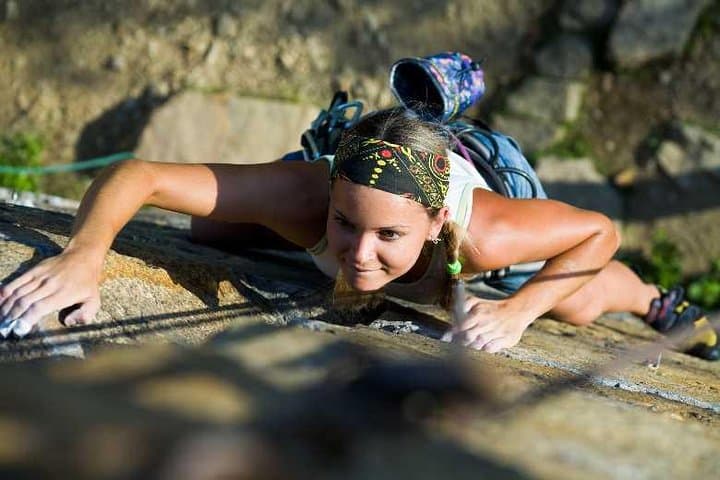
On Railay Beach, a half-day top-rope course turns that imposing face into a training ground: four hours of instruction, gear fitting, and short single-pitch climbs where you learn to tie in, belay, and move confidently on sport routes. The cliffs here are karst limestone—steep, sculpted by the sea and rain into pockets and tufas—so routes are typically 10–30 meters with fixed bolts and obvious holds that suit beginners.
Railay’s climbing scene grew from local fishing communities and adventurous visitors in the 1980s into an international draw, set inside the coastline of Krabi with cultural ties to Ao Nang and nearby Phi Phi boat traffic. The region’s geology explains the sheer faces: uplifted coral and marine sediments hardened into cliffs, then eroded into striking features that now host hundreds of bolted lines.
Practicalities are simple: most tours include pickup from Ao Nang, national park fees, and full climbing kit. Expect light scrambling on sand and rock to reach start points and intermittent sun or brief tropical showers. Bring a reusable water bottle, sun protection, and shoes that grip on sandy approaches; instructors teach all technical skills, but a basic level of fitness and no major back or neck issues are required.
By the end of the session you’ll top out on short, safe routes and feel the pull of the ocean breeze—cliffs that once intimidated now reward measured movement and steadied breath.
moderate.
4 hours.
Moderate fitness—able to climb short routes, stand for instruction, and manage light scrambling on sandy rock
No—this is an introductory top-rope course; instructors teach knots, belay technique, and basic movement on the wall.
Routes are typically single-pitch sport climbs between about 10 and 30 meters, bolted and commonly used for beginner training.
Most tours include Ao Nang hotel pickup (if selected), longtail boat transfer from the mainland, and national park fees—confirm at booking.
Operators will cancel or reschedule in thunderstorms or unsafe sea conditions; refund policies usually allow canceling 24 hours prior for a full refund.
Railay evolved from small fishing settlements; the cliffs are uplifted marine limestone that became a global climbing destination from the late 20th century.
Climbing areas sit within coastal national parks—avoid chalking holds excessively, pack out trash, and follow local guidelines to protect karst and reef ecosystems.
Real Rocks Climbing School Outdoor Tours operates guided outdoor trips and adventures with an emphasis on safety, stewardship, and memorable experiences.
The limestone wall leans over the sandy shelf and seems to dare you to look up—vertical streaks of grey and honeycomb pockets that catch the sun while a longtail boat rocks patiently at the shoreline.
The limestone wall leans over the sandy shelf and seems to dare you to look up—vertical streaks of grey and honeycomb pockets that catch the sun while a longtail boat rocks patiently at the shoreline.
On Railay Beach, a half-day top-rope course turns that imposing face into a training ground: four hours of instruction, gear fitting, and short single-pitch climbs where you learn to tie in, belay, and move confidently on sport routes. The cliffs here are karst limestone—steep, sculpted by the sea and rain into pockets and tufas—so routes are typically 10–30 meters with fixed bolts and obvious holds that suit beginners.
Railay’s climbing scene grew from local fishing communities and adventurous visitors in the 1980s into an international draw, set inside the coastline of Krabi with cultural ties to Ao Nang and nearby Phi Phi boat traffic. The region’s geology explains the sheer faces: uplifted coral and marine sediments hardened into cliffs, then eroded into striking features that now host hundreds of bolted lines.
Practicalities are simple: most tours include pickup from Ao Nang, national park fees, and full climbing kit. Expect light scrambling on sand and rock to reach start points and intermittent sun or brief tropical showers. Bring a reusable water bottle, sun protection, and shoes that grip on sandy approaches; instructors teach all technical skills, but a basic level of fitness and no major back or neck issues are required.
By the end of the session you’ll top out on short, safe routes and feel the pull of the ocean breeze—cliffs that once intimidated now reward measured movement and steadied breath.