THE ADVENTURE COLLECTIVE® · Independent discovery and booking for outdoor travel

Spend a half or full day learning to climb on real Sierra rock with experienced guides. This Bear Valley beginner course covers knots, belaying, and route movement on accessible Box Canyon cliffs—everything you need to move from gym to granite.
Spend a half or full day learning to climb on real Sierra rock with experienced guides. This Bear Valley beginner course covers knots, belaying, and route movement on accessible Box Canyon cliffs—everything you need to move from gym to granite.
The morning air on the Bear Valley alpine bowl is thin and bright; pines sigh with a resinous breath and the canyon ahead feels like a throat cut into the mountain. You meet your guide inside the Bear Valley Lodge at the SWS Mountain Guides office, swap names and nervous laughs, then walk together toward Box Canyon—ten minutes from the parking lot, through talus and scrub, to the cliffs that will test your balance and attention.
Verified experiences and guided adventures in the surrounding area.
Operated by Sws Mountain Guides · Bear Valley, California
The morning air on the Bear Valley alpine bowl is thin and bright; pines sigh with a resinous breath and the canyon ahead feels like a throat cut into the mountain. You meet your guide inside the Bear Valley Lodge at the SWS Mountain Guides office, swap names and nervous laughs, then walk together toward Box Canyon—ten minutes from the parking lot, through talus and scrub, to the cliffs that will test your balance and attention.
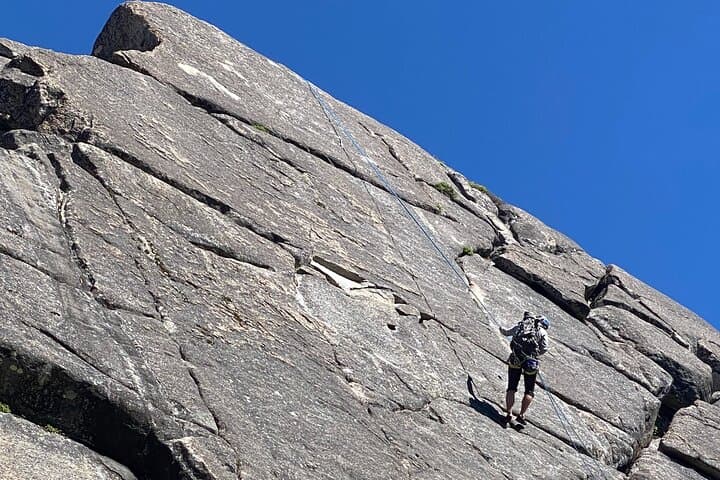
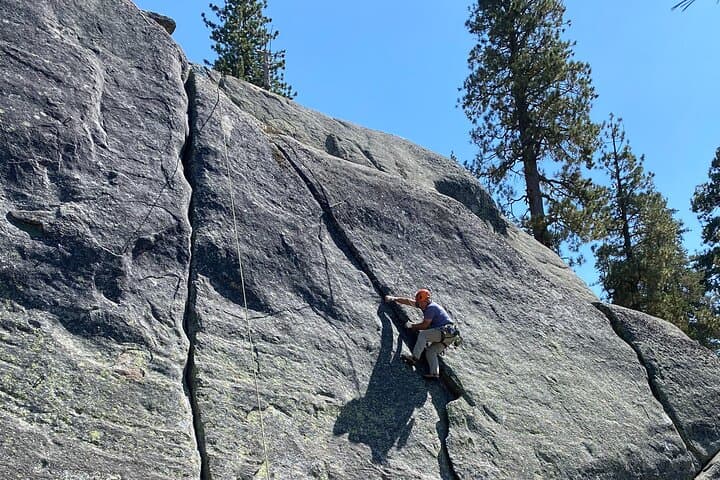
Box Canyon's faces are short but demanding: vertical to slightly overhung routes, ledges cut by glacial action and frozen rivers of stone that push and pull your hands. The rock here is a varied Sierra mix—granite slabs punctuated by metamorphic seams—giving footholds that can be blunt or razor sharp depending on the angle. Routes for beginners typically run 30–80 feet; approaches are measured in minutes rather than miles, and the elevation at the resort sits around 7,000 feet, so your legs feel every move a little more keenly.
Climbing in Bear Valley has roots in the Sierra’s rich outdoors culture. Local climbers have long used these accessible canyons as training grounds for bigger Sierra objectives—routes here are where many practice knots and belays before heading into more remote alpine lines. The guides at SWS bring 40 years of instruction experience to that tradition: expect structured progression—knots, belaying, proper body position, and route reading—wrapped in patient coaching.
Culturally, this is still mountain country: summers hum with anglers and hikers, winters bring skiers, and the lodge remains a focal point for conversation and gear swapping. Respect for the fragile alpine flora is non-negotiable; trails and belays are managed to keep erosion minimal and the climbing routes open.
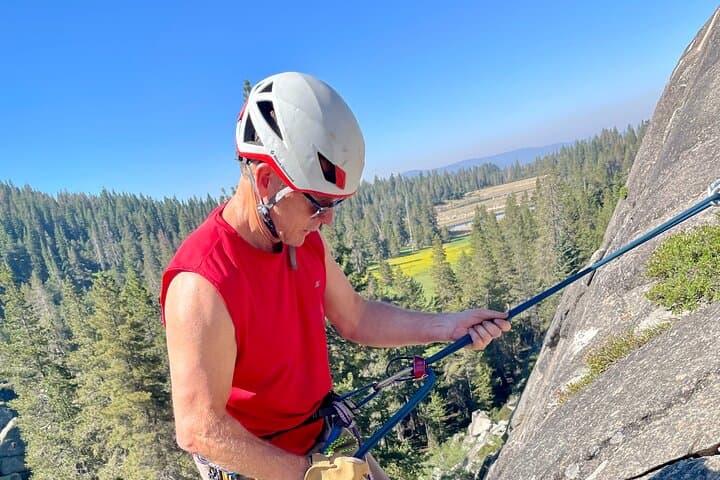
From a practical angle, the course is designed as a half- or full-day progression. You’ll be taught to tie figure-eights, set up top-rope anchors, and belay safely from both ground and belay ledge. Guides provide helmets, harnesses, and ropes; students should bring sturdy approach shoes, layered clothing, water, and sunscreen. Expect short pitches, hands-on time on real rock, and repeated coached climbs to internalize technique.
Tips for timing: mornings bring stable weather and firmer rock; afternoons can heat up and generate isolated thunderstorms in summer. Because you’re at high elevation, pace yourself—hydrate before you reach the wall and keep movements deliberate.
This course is an efficient, low-travel-risk way to translate gym skills to real rock. It’s less about sending 5.12 and more about learning to move safely in a vertical environment so the mountain feels like something you can read—and respect—on your own terms.
moderate.
3–4 hours.
Light-to-moderate fitness; comfortable standing, stepping on uneven rock, and walking short approaches at 7,000 ft.
No prior outdoor experience is necessary—the course is designed for beginners and covers knots, belaying, and basic movement on rock.
Yes—guides supply ropes, helmets, and harnesses; bring your own shoes and personal items like water and sunscreen.
Meet at the SWS Mountain Guides office inside Bear Valley Lodge (across from the front desk); parking is available at the lodge.
Bookings ask for age and weight; while many ages are accommodated, inform the guide service of any special requirements during booking.
The provider cancels for unsafe weather (lightning, heavy rain). All sales are final per policy, but sessions are typically rescheduled if possible—confirm directly with the operator.
Winter conditions at 7,000 ft may limit access; check season availability—snow can require different gear and techniques beyond this intro course.
Bear Valley developed as a mountain resort in the early 20th century; climbing here grew alongside alpine recreation as local guides formalized instruction.
Routes and approaches are managed to minimize erosion; stick to established trails, pack out gear and waste, and avoid bolting or altering natural rock.
Sws Mountain Guides operates guided outdoor trips and adventures with an emphasis on safety, stewardship, and memorable experiences.
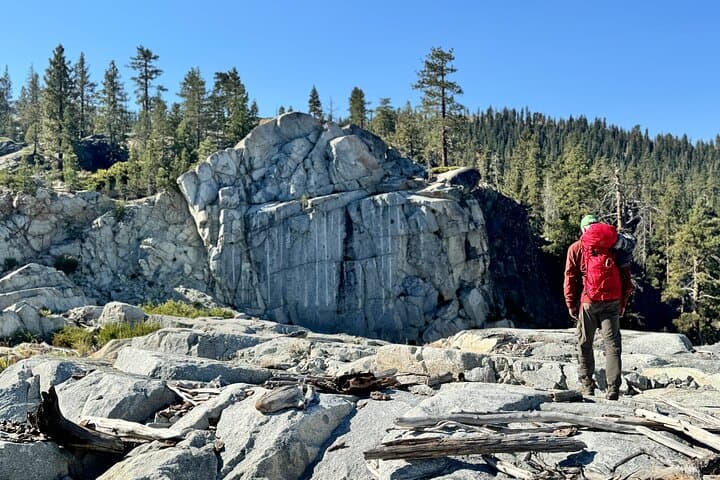
The morning air on the Bear Valley alpine bowl is thin and bright; pines sigh with a resinous breath and the canyon ahead feels like a throat cut into the mountain. You meet your guide inside the Bear Valley Lodge at the SWS Mountain Guides office, swap names and nervous laughs, then walk together toward Box Canyon—ten minutes from the parking lot, through talus and scrub, to the cliffs that will test your balance and attention.
The morning air on the Bear Valley alpine bowl is thin and bright; pines sigh with a resinous breath and the canyon ahead feels like a throat cut into the mountain. You meet your guide inside the Bear Valley Lodge at the SWS Mountain Guides office, swap names and nervous laughs, then walk together toward Box Canyon—ten minutes from the parking lot, through talus and scrub, to the cliffs that will test your balance and attention.
Box Canyon's faces are short but demanding: vertical to slightly overhung routes, ledges cut by glacial action and frozen rivers of stone that push and pull your hands. The rock here is a varied Sierra mix—granite slabs punctuated by metamorphic seams—giving footholds that can be blunt or razor sharp depending on the angle. Routes for beginners typically run 30–80 feet; approaches are measured in minutes rather than miles, and the elevation at the resort sits around 7,000 feet, so your legs feel every move a little more keenly.
Climbing in Bear Valley has roots in the Sierra’s rich outdoors culture. Local climbers have long used these accessible canyons as training grounds for bigger Sierra objectives—routes here are where many practice knots and belays before heading into more remote alpine lines. The guides at SWS bring 40 years of instruction experience to that tradition: expect structured progression—knots, belaying, proper body position, and route reading—wrapped in patient coaching.
Culturally, this is still mountain country: summers hum with anglers and hikers, winters bring skiers, and the lodge remains a focal point for conversation and gear swapping. Respect for the fragile alpine flora is non-negotiable; trails and belays are managed to keep erosion minimal and the climbing routes open.
From a practical angle, the course is designed as a half- or full-day progression. You’ll be taught to tie figure-eights, set up top-rope anchors, and belay safely from both ground and belay ledge. Guides provide helmets, harnesses, and ropes; students should bring sturdy approach shoes, layered clothing, water, and sunscreen. Expect short pitches, hands-on time on real rock, and repeated coached climbs to internalize technique.
Tips for timing: mornings bring stable weather and firmer rock; afternoons can heat up and generate isolated thunderstorms in summer. Because you’re at high elevation, pace yourself—hydrate before you reach the wall and keep movements deliberate.
This course is an efficient, low-travel-risk way to translate gym skills to real rock. It’s less about sending 5.12 and more about learning to move safely in a vertical environment so the mountain feels like something you can read—and respect—on your own terms.