THE ADVENTURE COLLECTIVE® · Independent discovery and booking for outdoor travel

Descend into Madeira’s steep volcanic gullies on a guided beginner canyoning route—abseil down waterfalls, slide through natural chutes, and swim in emerald pools. This 3–4 hour experience pairs big-water thrills with local geology and experienced guides to keep it accessible.
Descend into Madeira’s steep volcanic gullies on a guided beginner canyoning route—abseil down waterfalls, slide through natural chutes, and swim in emerald pools. This 3–4 hour experience pairs big-water thrills with local geology and experienced guides to keep it accessible.
You step off a mossy ledge and the canyon exhales: cold spray, the muffled thud of water against rock, and a narrow ribbon of blue sky overhead. Madeira’s ravines feel older than human plans—walls sculpted by volcanic flows and relentless rain, rivers that dare you forward and pools that invite a breath.
Verified experiences and guided adventures in the surrounding area.
You step off a mossy ledge and the canyon exhales: cold spray, the muffled thud of water against rock, and a narrow ribbon of blue sky overhead. Madeira’s ravines feel older than human plans—walls sculpted by volcanic flows and relentless rain, rivers that dare you forward and pools that invite a breath.
Geology here is blunt and dramatic. The island’s volcanic roots, shaped since the Jurassic, created steep gullies where torrents cut into basalt and laurisilva forest clings to near-vertical slopes. Canyoning routes thread through these gorges, passing waterfalls used for centuries by shepherds and honey collectors and tracing waterways that feed the island’s levadas and settlements.
Culturally, canyoning sits alongside hiking and levada walks as a way to meet Madeira’s interior: guides bring local knowledge of seasonal flows, safe lines and jump spots, and the odd story about a valley’s past. Expect to abseil down long waterfalls, slide through rock-carved chutes, swim across emerald pools, and hop from ledges—each move negotiated with rope and helmet rather than bravado.
Practical guidance: choose a morning start to avoid afternoon thermal showers, wear closed water shoes with good tread, and layer quick-dry clothing under a neoprene suit if water is cool. Hydrate before the route and ask your operator about group size and guide-to-guest ratio; most beginner trips run 3–4 hours and assume basic swimming comfort, not prior canyoning experience. Leave no trace: ropes and anchors are placed to protect routes, and minimizing soap, sunscreen and plastics keeps those pools clear for the next descent.
moderate.
3–4 hours.
Moderate cardio and leg strength; you should be comfortable swimming short distances and managing stairs or steep approaches.
No. Beginner routes are guided and set up for novices; guides teach rappelling and safety techniques on-site.
Age policies vary by operator—many accept teens (12+) with guardian consent; participants should be comfortable swimming and have basic fitness for scrambling and abseils.
Yes—helmet, harness, ropes, and usually a wetsuit are included; check the operator list to confirm what’s rented vs. recommended to bring.
When guided by accredited operators and with proper weather checks, canyoning is managed for safety; always follow guide instructions regarding jumps and rappel anchors.
Many gorges were used historically by shepherds and for laurel forest honey gathering; levadas channeled water from high peaks to coastal farms and shaped settlement patterns.
Operators emphasize leave-no-trace and avoid chalks/soaps in pools; stable anchor use and established paths reduce impact on fragile laurisilva slopes.
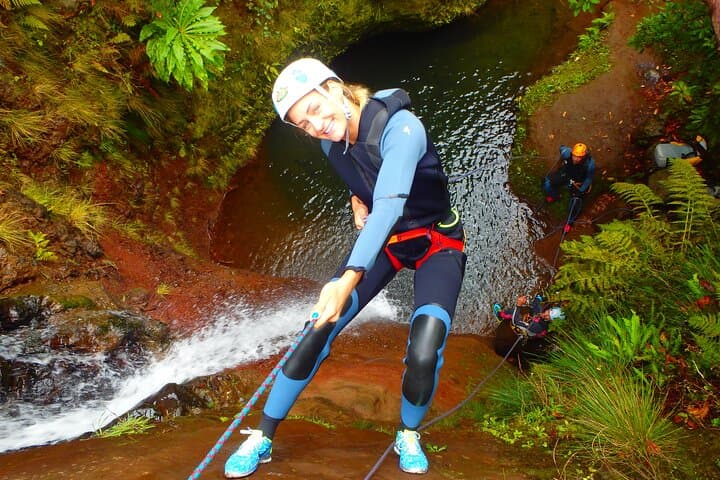
You step off a mossy ledge and the canyon exhales: cold spray, the muffled thud of water against rock, and a narrow ribbon of blue sky overhead. Madeira’s ravines feel older than human plans—walls sculpted by volcanic flows and relentless rain, rivers that dare you forward and pools that invite a breath.
You step off a mossy ledge and the canyon exhales: cold spray, the muffled thud of water against rock, and a narrow ribbon of blue sky overhead. Madeira’s ravines feel older than human plans—walls sculpted by volcanic flows and relentless rain, rivers that dare you forward and pools that invite a breath.
Geology here is blunt and dramatic. The island’s volcanic roots, shaped since the Jurassic, created steep gullies where torrents cut into basalt and laurisilva forest clings to near-vertical slopes. Canyoning routes thread through these gorges, passing waterfalls used for centuries by shepherds and honey collectors and tracing waterways that feed the island’s levadas and settlements.
Culturally, canyoning sits alongside hiking and levada walks as a way to meet Madeira’s interior: guides bring local knowledge of seasonal flows, safe lines and jump spots, and the odd story about a valley’s past. Expect to abseil down long waterfalls, slide through rock-carved chutes, swim across emerald pools, and hop from ledges—each move negotiated with rope and helmet rather than bravado.
Practical guidance: choose a morning start to avoid afternoon thermal showers, wear closed water shoes with good tread, and layer quick-dry clothing under a neoprene suit if water is cool. Hydrate before the route and ask your operator about group size and guide-to-guest ratio; most beginner trips run 3–4 hours and assume basic swimming comfort, not prior canyoning experience. Leave no trace: ropes and anchors are placed to protect routes, and minimizing soap, sunscreen and plastics keeps those pools clear for the next descent.