THE ADVENTURE COLLECTIVE® · Independent discovery and booking for outdoor travel

Learn to backpack confidently on this 2-day guided trip outside Deckers, Colorado. Guides teach campcraft, navigation, and Leave No Trace techniques while you hike 12–22 miles through aspen groves and alpine forests.
Learn to backpack confidently on this 2-day guided trip outside Deckers, Colorado. Guides teach campcraft, navigation, and Leave No Trace techniques while you hike 12–22 miles through aspen groves and alpine forests.
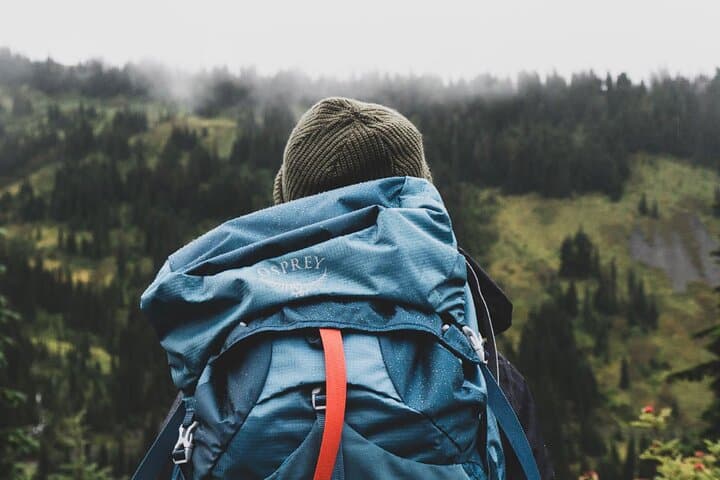
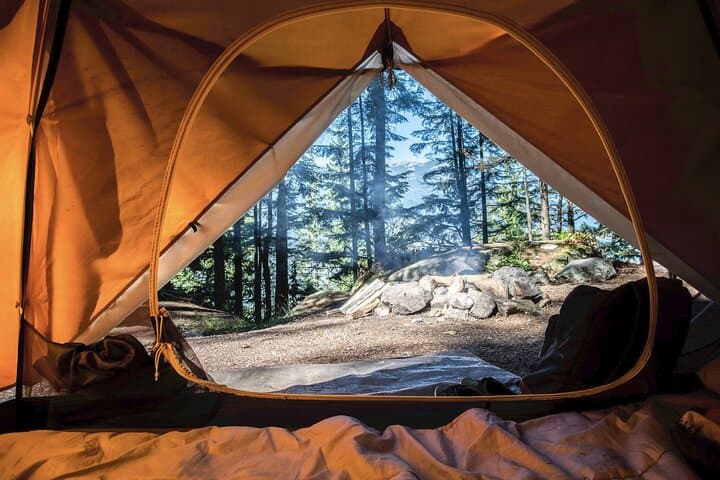
You step off the van and the aspens stand like a crowd leaning in to watch. Mountain air—thin, cool, smelling of pine and damp earth—fills your lungs as guides lay out a simple plan: learn to pack light, filter water, and sleep under a clear high-country sky.
Verified experiences and guided adventures in the surrounding area.
Operated by Adventure Colorado Tours · Deckers, Colorado
You step off the van and the aspens stand like a crowd leaning in to watch. Mountain air—thin, cool, smelling of pine and damp earth—fills your lungs as guides lay out a simple plan: learn to pack light, filter water, and sleep under a clear high-country sky.
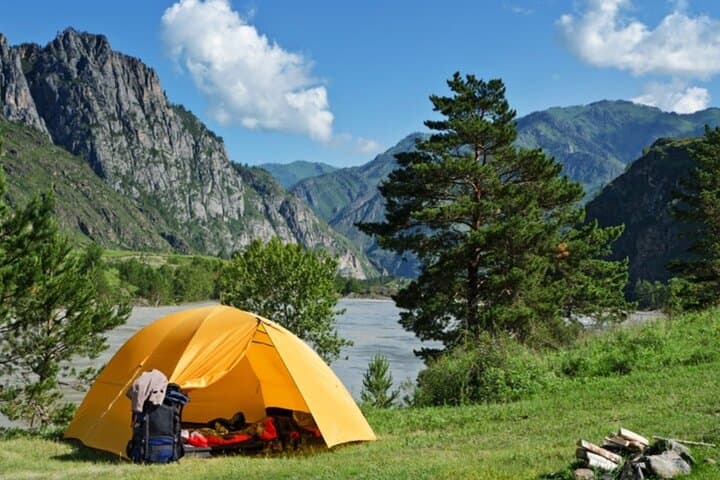
This two-day trip runs through the foothills and higher alpine approaches outside Deckers, Colorado, traversing mixed pine and aspen stands, granite outcrops, and the braided channels of Lost Creek. Geologically the area sits along uplifted Precambrian bedrock and younger sedimentary benches; the result is short, steep climbs to rewarding rock features and sheltered campsites. Culturally, these corridors were traditional travel and hunting grounds for Plains and mountain tribes, and later routes for miners and ranchers who shaped local trails.
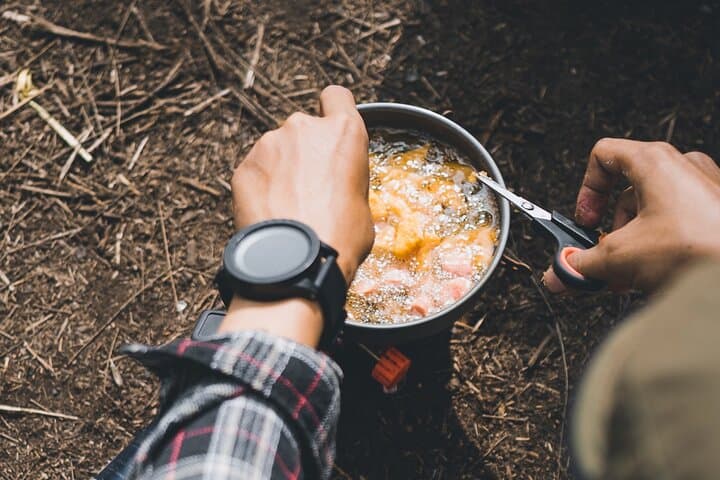
The program is instructional: expect practical lessons in tent setup, stove use, basic map-and-compass navigation, and Leave No Trace campcraft. Terrain ranges from forested singletrack to talus and short alpine meadows with elevations between roughly 8,000 and 12,000 feet and about 2,500 feet of total ascent over the trip. Routes vary from 12–22 miles total; guides adjust mileage to match group fitness.
Plan for variable weather, strong sun at altitude, and slowed breathing on climbs. Hydration, layered clothing, and solid boots make the days more enjoyable. Bring curiosity—the trip is designed to turn novices into confident overnight backpackers while minimizing environmental impact.
moderate.
2 days (approx. 12–22 miles total).
Should be in moderate aerobic shape; comfortable hiking 6–10 miles with a 25–35 lb pack and able to handle steep climbs.
Tours run with up to 8 travelers in shared groups, keeping instruction personal and manageable.
Yes—guides provide two breakfasts, two lunches and two dinners with lightweight backpacking meals; inform operators of allergies ahead of time.
Yes—this trip is built for beginners; guides cover tent setup, stove use, packing and basic navigation.
Trips can be cancelled for severe weather; guides will modify routes or shorten the itinerary for safety and comfort.
The region around Deckers was used seasonally by Indigenous peoples and later saw miners and ranchers shape trails and campsites used today.
Operators emphasize Leave No Trace; stick to durable surfaces, pack out waste, and avoid disturbing riparian areas to protect fragile alpine ecology.
Adventure Colorado Tours operates guided outdoor trips and adventures with an emphasis on safety, stewardship, and memorable experiences.
You step off the van and the aspens stand like a crowd leaning in to watch. Mountain air—thin, cool, smelling of pine and damp earth—fills your lungs as guides lay out a simple plan: learn to pack light, filter water, and sleep under a clear high-country sky.
You step off the van and the aspens stand like a crowd leaning in to watch. Mountain air—thin, cool, smelling of pine and damp earth—fills your lungs as guides lay out a simple plan: learn to pack light, filter water, and sleep under a clear high-country sky.
This two-day trip runs through the foothills and higher alpine approaches outside Deckers, Colorado, traversing mixed pine and aspen stands, granite outcrops, and the braided channels of Lost Creek. Geologically the area sits along uplifted Precambrian bedrock and younger sedimentary benches; the result is short, steep climbs to rewarding rock features and sheltered campsites. Culturally, these corridors were traditional travel and hunting grounds for Plains and mountain tribes, and later routes for miners and ranchers who shaped local trails.
The program is instructional: expect practical lessons in tent setup, stove use, basic map-and-compass navigation, and Leave No Trace campcraft. Terrain ranges from forested singletrack to talus and short alpine meadows with elevations between roughly 8,000 and 12,000 feet and about 2,500 feet of total ascent over the trip. Routes vary from 12–22 miles total; guides adjust mileage to match group fitness.
Plan for variable weather, strong sun at altitude, and slowed breathing on climbs. Hydration, layered clothing, and solid boots make the days more enjoyable. Bring curiosity—the trip is designed to turn novices into confident overnight backpackers while minimizing environmental impact.