THE ADVENTURE COLLECTIVE® · Independent discovery and booking for outdoor travel

Walk the hills above Prague with a historian, visiting Břevnov and Strahov monasteries to sample centuries-old brewing traditions and baroque architecture. This four-hour tour mixes library access, monastery breweries, and panoramic city views.
Walk the hills above Prague with a historian, visiting Břevnov and Strahov monasteries to sample centuries-old brewing traditions and baroque architecture. This four-hour tour mixes library access, monastery breweries, and panoramic city views.
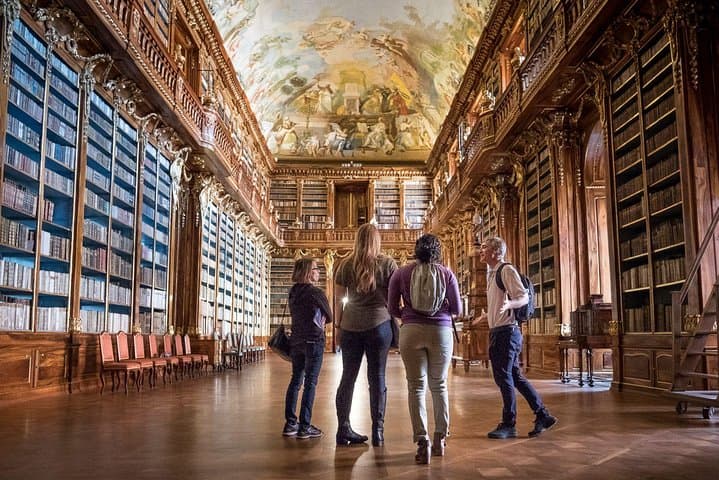
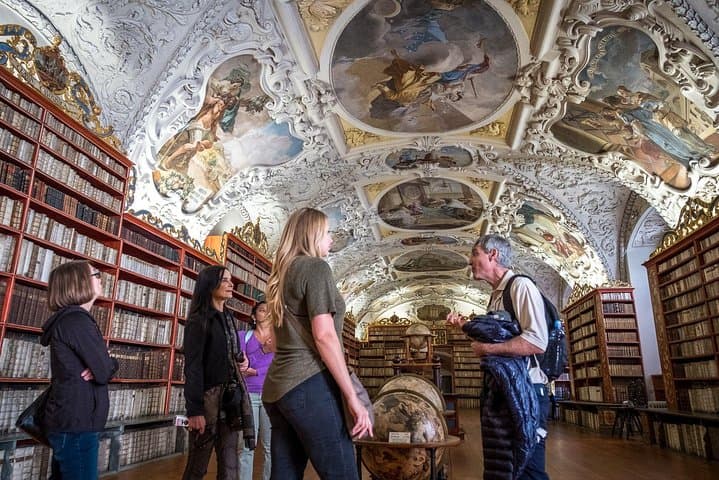
You arrive on the hill above Prague with the city opening below like a worked map of red roofs and spires. The tour moves at a scholar’s pace—stone steps, carved stucco, and the low hum of a historian explaining why these monasteries sat where they did. At Strahov, frescoed ceilings and gilded shelves frame a history of learning; at Břevnov, stout walls hint at quieter, older routines of monks and brewing.
Verified experiences and guided adventures in the surrounding area.
Operated by Insight Cities · Prague, Prague
You arrive on the hill above Prague with the city opening below like a worked map of red roofs and spires. The tour moves at a scholar’s pace—stone steps, carved stucco, and the low hum of a historian explaining why these monasteries sat where they did. At Strahov, frescoed ceilings and gilded shelves frame a history of learning; at Břevnov, stout walls hint at quieter, older routines of monks and brewing.
This route stitches architecture and craft. Břevnov Monastery dates to 993 and holds the oldest monastic brewing traditions in Bohemia; Strahov, founded in the 12th century, became a center of learning and, by the 14th century, of beer production. The baroque details—stucco moldings, painted ceilings, and cloistered courtyards—tell a civic story of religion, scholarship, and community life that sustained brewing as both ritual and livelihood.
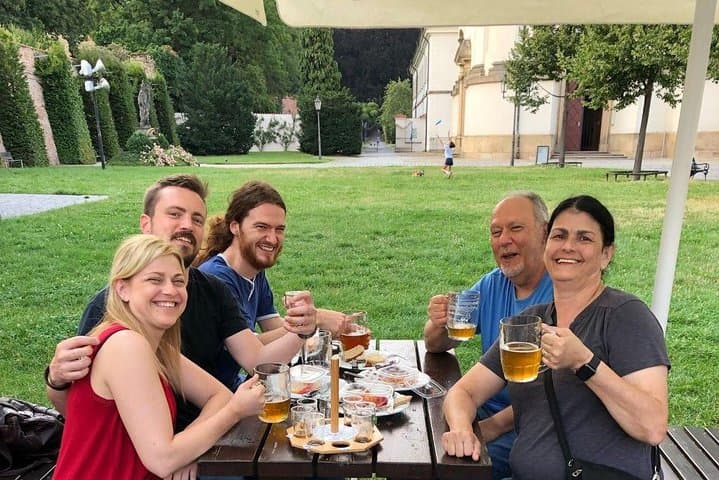
Expect steady walking on cobbled streets, a behind-the-ropes look at the Strahov Library (note the separate reservation fee), and at least one monastery brewery visit with Czech beer sampling. The guide frames each stop with architectural context and tasting notes rather than just trivia.
Practical: wear comfortable shoes for uneven pavement and stairs, carry ID for any alcohol tastings, and book the library add-on early (large reservation fee applies). Public transit serves the hill, but bring a waterproof layer—Prague weather shifts fast. The four-hour tour fits a midday slot well to capture light across the cityscape while keeping the pace relaxed and informative.
easy.
4 hours.
Suitable for most fitness levels; involves several flights of stairs and sustained walking on uneven surfaces.
The tour itinerary includes sampling at monastery breweries, but specifics can vary—confirm with the operator when booking.
A high separate reservation fee is required for the behind-the-ropes library visit (2000 CZK per reservation plus around 700 CZK per person); costs are shared if multiple groups join the slot.
The tour involves uneven cobbles and several staircases; it’s not recommended for those with serious mobility restrictions or spinal issues.
Yes—Prague’s trams and metro serve the area; the guide or operator will provide detailed meeting directions when you book.
Břevnov Monastery dates to 993 and established early Czech monastic brewing; Strahov, founded in the 12th century, developed a storied library and brewery presence by the 14th century.
Historic interiors are fragile—follow guidance, avoid touching artifacts, and support local conservation by respecting restricted areas and using local services.
Insight Cities operates guided outdoor trips and adventures with an emphasis on safety, stewardship, and memorable experiences.
You arrive on the hill above Prague with the city opening below like a worked map of red roofs and spires. The tour moves at a scholar’s pace—stone steps, carved stucco, and the low hum of a historian explaining why these monasteries sat where they did. At Strahov, frescoed ceilings and gilded shelves frame a history of learning; at Břevnov, stout walls hint at quieter, older routines of monks and brewing.
You arrive on the hill above Prague with the city opening below like a worked map of red roofs and spires. The tour moves at a scholar’s pace—stone steps, carved stucco, and the low hum of a historian explaining why these monasteries sat where they did. At Strahov, frescoed ceilings and gilded shelves frame a history of learning; at Břevnov, stout walls hint at quieter, older routines of monks and brewing.
This route stitches architecture and craft. Břevnov Monastery dates to 993 and holds the oldest monastic brewing traditions in Bohemia; Strahov, founded in the 12th century, became a center of learning and, by the 14th century, of beer production. The baroque details—stucco moldings, painted ceilings, and cloistered courtyards—tell a civic story of religion, scholarship, and community life that sustained brewing as both ritual and livelihood.
Expect steady walking on cobbled streets, a behind-the-ropes look at the Strahov Library (note the separate reservation fee), and at least one monastery brewery visit with Czech beer sampling. The guide frames each stop with architectural context and tasting notes rather than just trivia.
Practical: wear comfortable shoes for uneven pavement and stairs, carry ID for any alcohol tastings, and book the library add-on early (large reservation fee applies). Public transit serves the hill, but bring a waterproof layer—Prague weather shifts fast. The four-hour tour fits a midday slot well to capture light across the cityscape while keeping the pace relaxed and informative.