THE ADVENTURE COLLECTIVE® · Independent discovery and booking for outdoor travel

Suit up and meet the hives: a two-hour, hands-on apiary visit near Delphi that explains bee biology, local honey flavors, and the role of pollinators in Greek rural life. Perfect for curious travelers and families who want a tactile, low-effort nature experience.
Suit up and meet the hives: a two-hour, hands-on apiary visit near Delphi that explains bee biology, local honey flavors, and the role of pollinators in Greek rural life. Perfect for curious travelers and families who want a tactile, low-effort nature experience.
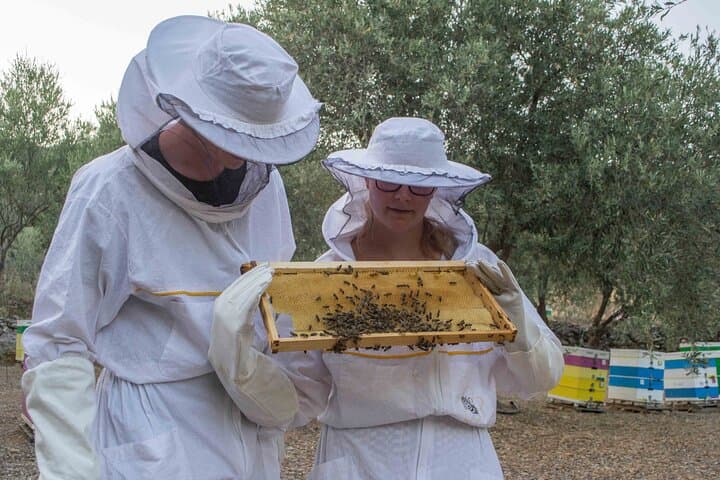
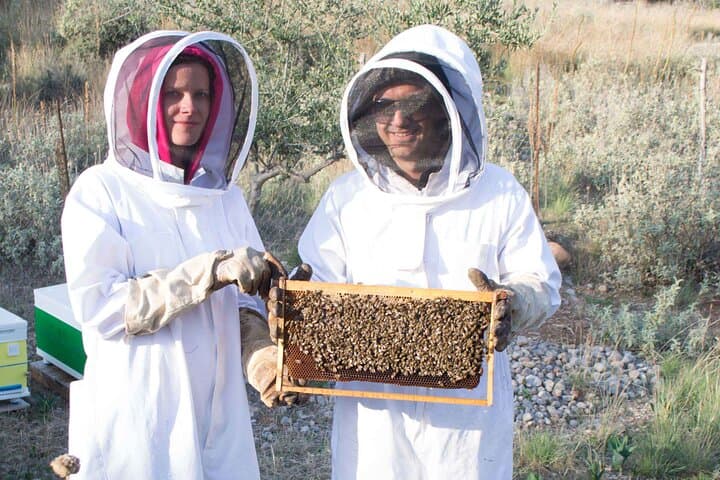
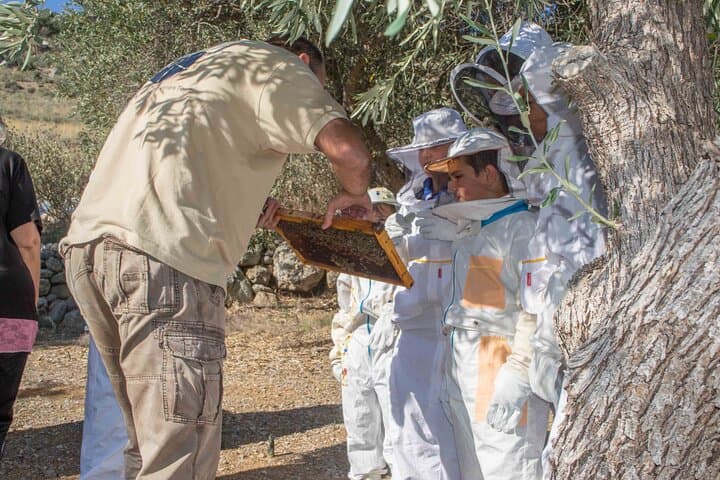
A warm wind carries the hum before the hill comes into view: a small apiary built of reclaimed wood and stone, frames of hives in neat rows, and the Gulf of Corinth glinting beyond. Visitors arrive 15 minutes from Delphi to suit up in white jackets, feel the gentle vibration of a colony, and watch bees busy at work — a close, tactile introduction to a species that quietly runs the countryside.
Verified experiences and guided adventures in the surrounding area.
Operated by MoKa Honey · Delphi, Phocis
A warm wind carries the hum before the hill comes into view: a small apiary built of reclaimed wood and stone, frames of hives in neat rows, and the Gulf of Corinth glinting beyond. Visitors arrive 15 minutes from Delphi to suit up in white jackets, feel the gentle vibration of a colony, and watch bees busy at work — a close, tactile introduction to a species that quietly runs the countryside.
The practice of beekeeping here ties into Greece’s long agricultural history; honey has flavored local food and ritual since antiquity, and the apiary’s location reflects the scrub, olive groves, and pine that shape Phocis’s soils. Geology matters: the limestone slopes around Delphi produce flowering plants with a distinct aroma that colors the honey. Guides explain hive anatomy, seasonal cycles, and how foraging patterns shape flavor while pointing out how local culture mixes coffee, conversation, and craft honey production.
The experience is hands-on but accessible: expect a 2-hour session that includes protective gear, a guided hive inspection, tasting of fresh honey and hive products, and time to relax on a nearby terrace. Bring closed-toe shoes, sun protection, and let staff know of any allergy — apiary hosts require awareness of bee-sting sensitivity.
Practical tips: schedule morning visits when bees are active and temperatures moderate, avoid heavy perfumes that can disturb colonies, and factor in a short drive from Delphi or Itea. The visit blends natural history, sensory tasting, and respectful fieldcraft — an approachable way to understand pollinators and taste the landscape in a jar.
easy.
2 hours.
Suitable for most fitness levels; requires brief periods of standing and walking on uneven ground
Yes; the activity is family-friendly but infants must sit on an adult’s lap and children should be supervised around hives.
Inform the operator before booking — the tour notes bee-sting allergy as a health consideration and can advise; those with severe allergies should avoid close hive work.
The apiary is about a 15-minute drive from central Delphi; parking or a short transfer may be arranged depending on the operator’s guidance.
Protective beekeeping gear, a guided hive inspection, Greek coffee, water, and tasting of fresh honey and hive products are included.
Beekeeping in Greece dates back millennia and honey was historically used in local diet and offerings; the area’s flora imparts distinctive flavors to the honey.
The apiary uses recyclable materials and promotes sustainable beekeeping; visitors are asked not to remove comb or disturb foraging habitat to protect pollinator health.
MoKa Honey operates guided outdoor trips and adventures with an emphasis on safety, stewardship, and memorable experiences.

A warm wind carries the hum before the hill comes into view: a small apiary built of reclaimed wood and stone, frames of hives in neat rows, and the Gulf of Corinth glinting beyond. Visitors arrive 15 minutes from Delphi to suit up in white jackets, feel the gentle vibration of a colony, and watch bees busy at work — a close, tactile introduction to a species that quietly runs the countryside.
A warm wind carries the hum before the hill comes into view: a small apiary built of reclaimed wood and stone, frames of hives in neat rows, and the Gulf of Corinth glinting beyond. Visitors arrive 15 minutes from Delphi to suit up in white jackets, feel the gentle vibration of a colony, and watch bees busy at work — a close, tactile introduction to a species that quietly runs the countryside.
The practice of beekeeping here ties into Greece’s long agricultural history; honey has flavored local food and ritual since antiquity, and the apiary’s location reflects the scrub, olive groves, and pine that shape Phocis’s soils. Geology matters: the limestone slopes around Delphi produce flowering plants with a distinct aroma that colors the honey. Guides explain hive anatomy, seasonal cycles, and how foraging patterns shape flavor while pointing out how local culture mixes coffee, conversation, and craft honey production.
The experience is hands-on but accessible: expect a 2-hour session that includes protective gear, a guided hive inspection, tasting of fresh honey and hive products, and time to relax on a nearby terrace. Bring closed-toe shoes, sun protection, and let staff know of any allergy — apiary hosts require awareness of bee-sting sensitivity.
Practical tips: schedule morning visits when bees are active and temperatures moderate, avoid heavy perfumes that can disturb colonies, and factor in a short drive from Delphi or Itea. The visit blends natural history, sensory tasting, and respectful fieldcraft — an approachable way to understand pollinators and taste the landscape in a jar.