THE ADVENTURE COLLECTIVE® · Independent discovery and booking for outdoor travel

Spend three immersive hours with an expert beekeeper in the Sussex countryside—suit up, open a hive, and learn how colonies are managed while tasting fresh local honey. Accessible and educational, this experience is ideal for nature lovers and curious travelers.
Spend three immersive hours with an expert beekeeper in the Sussex countryside—suit up, open a hive, and learn how colonies are managed while tasting fresh local honey. Accessible and educational, this experience is ideal for nature lovers and curious travelers.
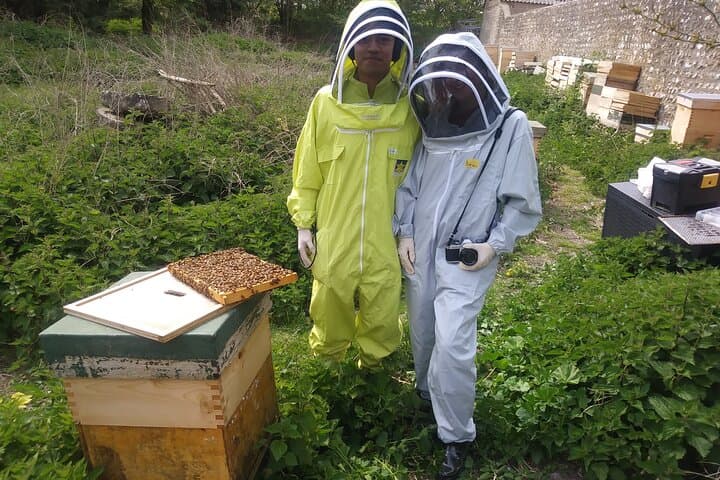
You step off a country lane and the air changes—warmer, honey-sweet, alive with a faint, constant hum. In a sunlit clearing in the Sussex countryside an expert beekeeper waits by a row of wooden hives; the landscape is chalk downland and hedgerow, the kind of terrain that shapes how bees forage and makes Sussex honey distinctive.
Verified experiences and guided adventures in the surrounding area.
Operated by South Downs Honey · Lewes, East Sussex
You step off a country lane and the air changes—warmer, honey-sweet, alive with a faint, constant hum. In a sunlit clearing in the Sussex countryside an expert beekeeper waits by a row of wooden hives; the landscape is chalk downland and hedgerow, the kind of terrain that shapes how bees forage and makes Sussex honey distinctive.
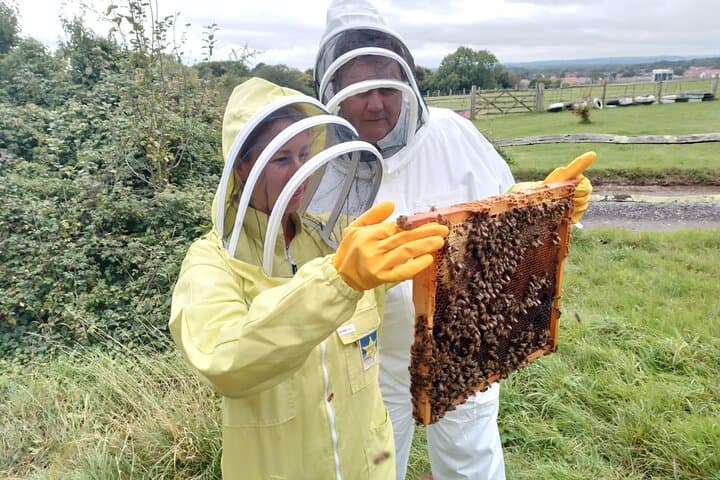
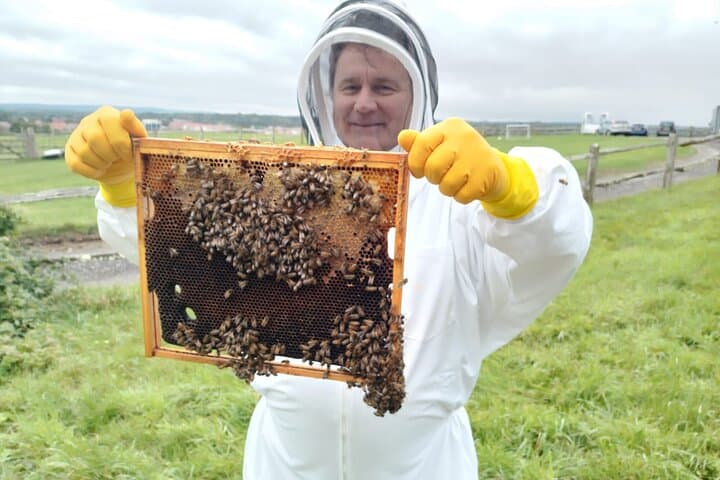
Beekeeping in Sussex ties into centuries of rural craft. Chalk soils, flinty ridges and mixed pasture have supported cider apples, hops and wildflowers that feed colonies—and local apiaries built on that forage tradition. Expect a short primer on bee biology and hive anatomy, then a supervised suit-up to inspect frames: you’ll see honey stores, pollen patties and, with luck, the queen’s busy entourage. The session mixes hands-on work with history—how rural households used bees for wax and honey—and practical conservation, including forage planting and pesticide awareness.
Practically: the experience is about three hours, wheelchair-accessible, and suitable for most fitness levels, but not recommended for those who are pregnant or have heart conditions. Wear closed-toe shoes and long sleeves; organizers provide suits and gloves. Bring water, a camera, and any allergy info—if you have severe bee allergy, this isn’t for you. Afternoon tea or a picnic lunch of Sussex produce follows, a calm way to taste local honey and ask questions.
This is less adrenaline than many outdoor pursuits and more about close, tactile learning. It’s a chance to meet the colony, learn stewardship techniques, and walk away with a jar of honey and a clearer sense of how pollinators shape the countryside.
easy.
3 hours.
Suitable for most fitness levels; requires standing and some bending during hive inspections
Children can join but age limits or supervision rules may apply; the activity is family-friendly if children can follow safety guidance and remain calm near hives.
This experience is not safe for people with known severe bee allergies—consult your physician and inform the operator before booking.
A jar of honey is included with the experience; larger or additional jars may be available for purchase from the host.
Yes—hosts report wheelchair-accessible surfaces and areas, but notify them of specific mobility needs when booking to ensure accommodations.
Sussex has a long rural beekeeping tradition tied to mixed pasture and orchard farming; local honey and wax were once common cottage-industry products.
Hosts typically emphasize pollinator-friendly practices—minimizing pesticides, planting forage, and teaching hive health to support local biodiversity.
South Downs Honey operates guided outdoor trips and adventures with an emphasis on safety, stewardship, and memorable experiences.
You step off a country lane and the air changes—warmer, honey-sweet, alive with a faint, constant hum. In a sunlit clearing in the Sussex countryside an expert beekeeper waits by a row of wooden hives; the landscape is chalk downland and hedgerow, the kind of terrain that shapes how bees forage and makes Sussex honey distinctive.
You step off a country lane and the air changes—warmer, honey-sweet, alive with a faint, constant hum. In a sunlit clearing in the Sussex countryside an expert beekeeper waits by a row of wooden hives; the landscape is chalk downland and hedgerow, the kind of terrain that shapes how bees forage and makes Sussex honey distinctive.
Beekeeping in Sussex ties into centuries of rural craft. Chalk soils, flinty ridges and mixed pasture have supported cider apples, hops and wildflowers that feed colonies—and local apiaries built on that forage tradition. Expect a short primer on bee biology and hive anatomy, then a supervised suit-up to inspect frames: you’ll see honey stores, pollen patties and, with luck, the queen’s busy entourage. The session mixes hands-on work with history—how rural households used bees for wax and honey—and practical conservation, including forage planting and pesticide awareness.
Practically: the experience is about three hours, wheelchair-accessible, and suitable for most fitness levels, but not recommended for those who are pregnant or have heart conditions. Wear closed-toe shoes and long sleeves; organizers provide suits and gloves. Bring water, a camera, and any allergy info—if you have severe bee allergy, this isn’t for you. Afternoon tea or a picnic lunch of Sussex produce follows, a calm way to taste local honey and ask questions.
This is less adrenaline than many outdoor pursuits and more about close, tactile learning. It’s a chance to meet the colony, learn stewardship techniques, and walk away with a jar of honey and a clearer sense of how pollinators shape the countryside.