THE ADVENTURE COLLECTIVE® · Independent discovery and booking for outdoor travel

See Bali’s ocean temple, UNESCO-listed rice terraces, a lakeside Hindu shrine and a twin waterfall in one full day. This guided tour mixes easy walking, short hikes, and culturally rich stops with all entrance fees and transport included.
See Bali’s ocean temple, UNESCO-listed rice terraces, a lakeside Hindu shrine and a twin waterfall in one full day. This guided tour mixes easy walking, short hikes, and culturally rich stops with all entrance fees and transport included.
You arrive at dawn when the ocean still smells of salt and the first light slides over a black rock crowned by Tanah Lot; waves push and argue with the temple’s foundations as tourists assemble for the view. From there the road climbs into a cooler, green Bali—Jatiluwih’s stepped paddies open like a living map, terraces following the contours of the land. Later the lake at Ulun Danu sits calm, its pagodas poised against a mountain that seems to watch the water.
Verified experiences and guided adventures in the surrounding area.
Operated by Travel Story Bali · Bedugul, Bali
You arrive at dawn when the ocean still smells of salt and the first light slides over a black rock crowned by Tanah Lot; waves push and argue with the temple’s foundations as tourists assemble for the view. From there the road climbs into a cooler, green Bali—Jatiluwih’s stepped paddies open like a living map, terraces following the contours of the land. Later the lake at Ulun Danu sits calm, its pagodas poised against a mountain that seems to watch the water.
These stops trace Bali’s mix of volcanic geology and agrarian culture: sea temples built on basalt outcrops, terraced rice fields shaped by generations under the subak irrigation system, and a lakeside temple tied to the island’s water goddess. Banyumala’s twin falls cut through mossy basalt, a short descent rewarded by a spray-cooled pool. Nearby twin lakes offer panoramic viewpoints and photo props installed for visitors.
Practically, expect a nine-hour day with lots of short walks and stairs—paths at Jatiluwih are well-made, the waterfall requires uneven steps, and temple grounds ask for respectful clothing. Bring a light rain shell; mountain weather changes quickly. Wear good closed-toe shoes for the falls and a hat and sunscreen for the terraces and coastal stops. Cash is useful for small purchases, offerings, and optional photo zones.
The tour combines easy walking, cultural context from guides, and several classic Bali photo moments—ideal for travelers who want to compress North Bali’s highlights into a single, well-paced day.
easy.
9 hours.
Suitable for travelers in average physical condition; comfortable with intermittent walking, stairs and short uneven trails.
The tour is approximately nine hours and includes private air-conditioned transport, entrance fees to listed sites, and a local guide; meals are optional and can be purchased at stops.
Banyumala requires a downhill walk on uneven steps and can be slippery—it may be skipped for those with limited mobility or young children.
Yes—carry small denominations for donations, snacks, optional photo props, and tips; some rural stops don’t accept cards.
Yes—bring a sarong or wear clothing that covers knees and shoulders; sarong rentals are often available at temples for a small fee.
Tanah Lot is linked to a 16th-century Balinese priest and sea-worship traditions, while Jatiluwih’s terraces reflect an irrigation system (subak) recognized by UNESCO.
Stay on marked paths, avoid stepping on rice paddies, and don’t feed wildlife; supporting local warungs helps communities that maintain these cultural landscapes.
Travel Story Bali operates guided outdoor trips and adventures with an emphasis on safety, stewardship, and memorable experiences.
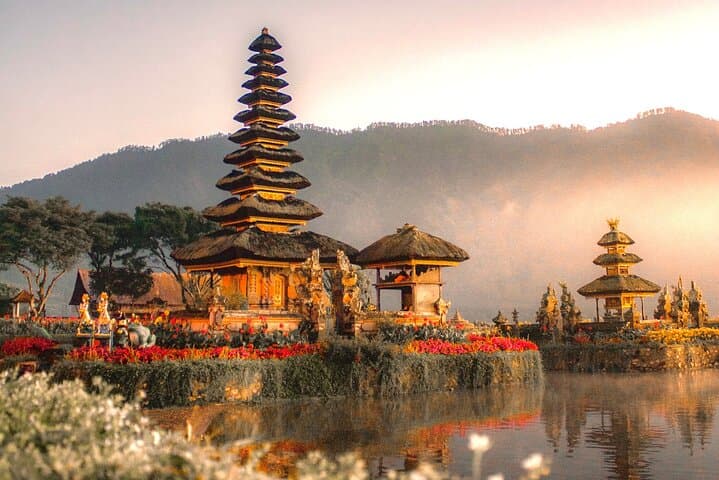
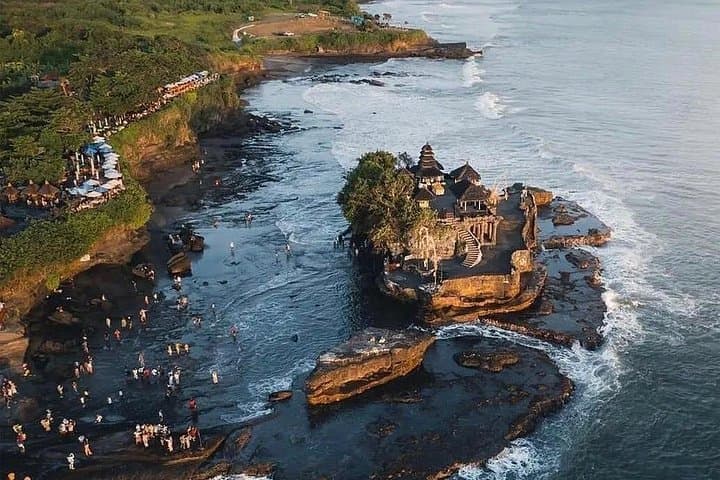
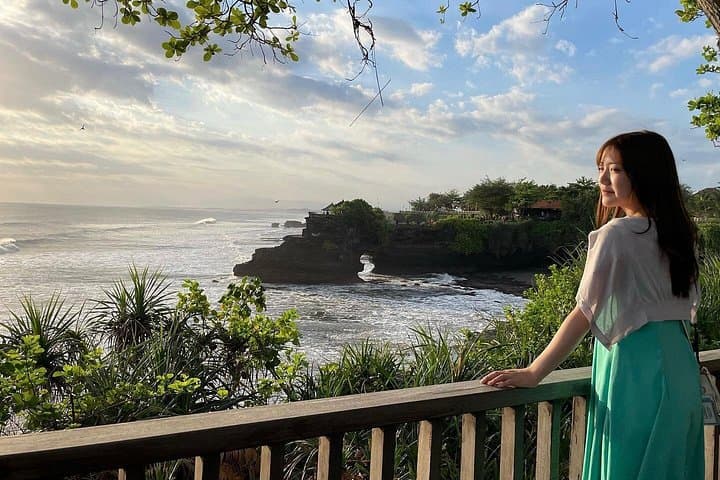
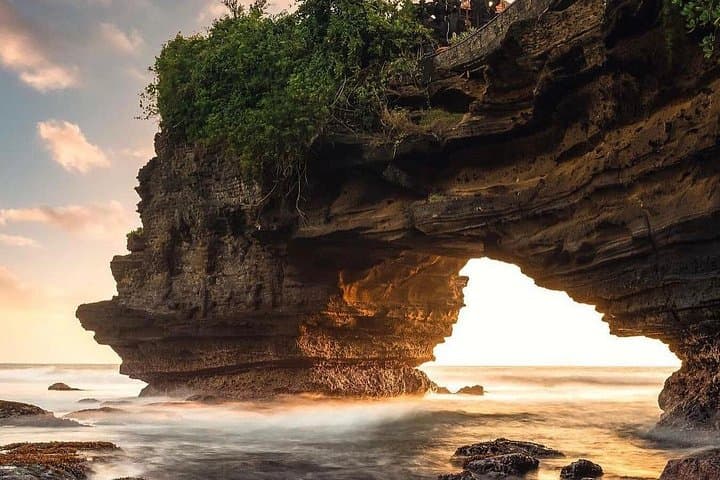
You arrive at dawn when the ocean still smells of salt and the first light slides over a black rock crowned by Tanah Lot; waves push and argue with the temple’s foundations as tourists assemble for the view. From there the road climbs into a cooler, green Bali—Jatiluwih’s stepped paddies open like a living map, terraces following the contours of the land. Later the lake at Ulun Danu sits calm, its pagodas poised against a mountain that seems to watch the water.
You arrive at dawn when the ocean still smells of salt and the first light slides over a black rock crowned by Tanah Lot; waves push and argue with the temple’s foundations as tourists assemble for the view. From there the road climbs into a cooler, green Bali—Jatiluwih’s stepped paddies open like a living map, terraces following the contours of the land. Later the lake at Ulun Danu sits calm, its pagodas poised against a mountain that seems to watch the water.
These stops trace Bali’s mix of volcanic geology and agrarian culture: sea temples built on basalt outcrops, terraced rice fields shaped by generations under the subak irrigation system, and a lakeside temple tied to the island’s water goddess. Banyumala’s twin falls cut through mossy basalt, a short descent rewarded by a spray-cooled pool. Nearby twin lakes offer panoramic viewpoints and photo props installed for visitors.
Practically, expect a nine-hour day with lots of short walks and stairs—paths at Jatiluwih are well-made, the waterfall requires uneven steps, and temple grounds ask for respectful clothing. Bring a light rain shell; mountain weather changes quickly. Wear good closed-toe shoes for the falls and a hat and sunscreen for the terraces and coastal stops. Cash is useful for small purchases, offerings, and optional photo zones.
The tour combines easy walking, cultural context from guides, and several classic Bali photo moments—ideal for travelers who want to compress North Bali’s highlights into a single, well-paced day.