THE ADVENTURE COLLECTIVE® · Independent discovery and booking for outdoor travel

Mount a dromedary and cross the wind-sculpted dunes around Huacachina for a short, theatrical desert ride. This guided outing combines a brief camel trek, feeding time and a keepsake photo, ideal as an easy add-on to Ica’s sandboard and pisco itineraries.
Mount a dromedary and cross the wind-sculpted dunes around Huacachina for a short, theatrical desert ride. This guided outing combines a brief camel trek, feeding time and a keepsake photo, ideal as an easy add-on to Ica’s sandboard and pisco itineraries.
Sand lifts in slow ribbons as the dromedaries step from the shade of a low dune. You mount from a wooden platform, the saddle settling as the camel rocks forward and the Ica desert opens: rippled slopes, a silver-green patch of palms marking the Huacachina oasis, and the low Andes on the horizon. Guides in stylized Bedouin garb walk beside you, feeding the animals and pointing to dune profiles where wind has carved ephemeral ridges.
Verified experiences and guided adventures in the surrounding area.
Operated by CITY SUR TRAVELS · Ica, Ica
Sand lifts in slow ribbons as the dromedaries step from the shade of a low dune. You mount from a wooden platform, the saddle settling as the camel rocks forward and the Ica desert opens: rippled slopes, a silver-green patch of palms marking the Huacachina oasis, and the low Andes on the horizon. Guides in stylized Bedouin garb walk beside you, feeding the animals and pointing to dune profiles where wind has carved ephemeral ridges.
The coast of southern Peru has been dry for millennia; its dunes are products of Pacific currents and scant rainfall, piled high behind a narrow coastal plain. Camels are a recent, theatrical addition—imported for tourism rather than heritage—but the oasis itself sits in a landscape shaped by pre-Columbian cultures and later Spanish-era haciendas where grapevines for pisco took root.
Expect a compact, four-hour excursion: hotel pickup, a short orientation with protective clothing, a 6–8 minute dromedary ride, feeding time, and a souvenir photo. Sand here is fine and loose—some dunes climb dozens to a few hundred meters above the oasis—so wear closed shoes, protect skin and eyes from reflected sun, and bring at least one liter of water. The ride is gentle but not recommended for young children under seven, people with spinal or cardiac conditions, pregnant travelers, or those over 55 per operator rules.
Plan for late afternoon light to avoid the midday heat and pair the visit with a sandboarding or short buggy run to make the most of the desert’s dramatic slopes.
easy.
3–4 hours.
Minimal fitness required for short mounting, standing and a brief walk—good mobility recommended
The actual ride lasts about 6–8 minutes; the full experience including transfers and orientation is roughly four hours.
Yes—shared round-trip tourist transportation is provided from designated pickup points or hotels in the Ica/Huacachina area.
Children under seven are not recommended and certain operators limit participation—confirm age policies when booking.
Reputable operators include handlers and feeding time; ask your provider about animal care, rest cycles and veterinary oversight before booking.
Huacachina grew as a leisure oasis and a gateway to Ica’s sandfields; camels were introduced recently as a themed tourist attraction rather than a historical local species.
Stick to designated areas and avoid trampling oasis vegetation; ask operators about water use and animal welfare practices and avoid single-use plastics.
CITY SUR TRAVELS operates guided outdoor trips and adventures with an emphasis on safety, stewardship, and memorable experiences.
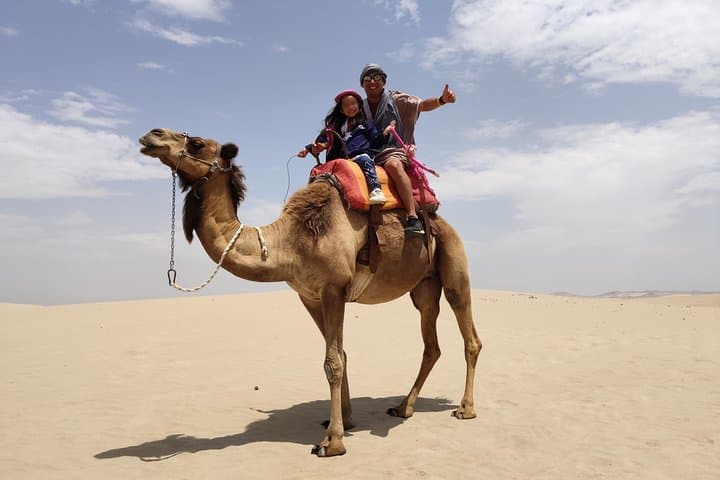
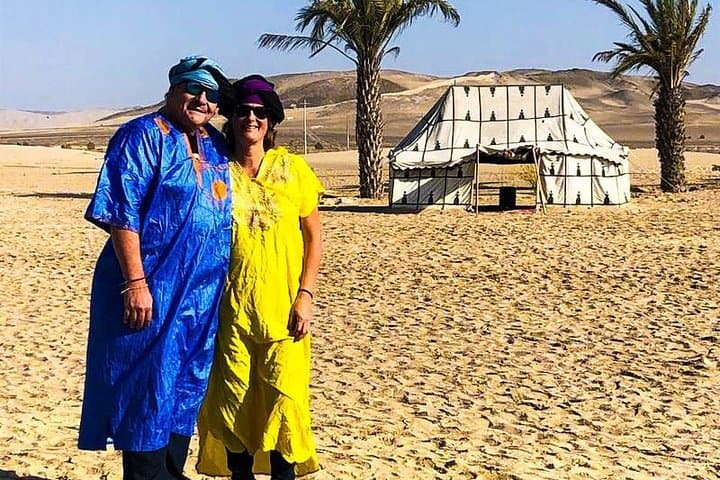
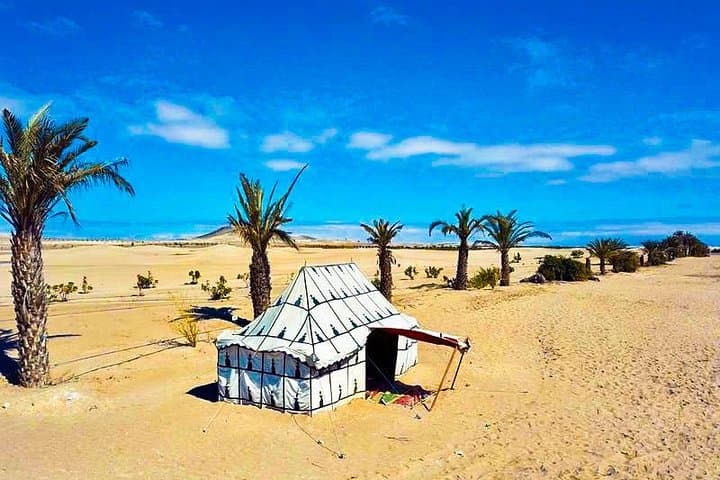
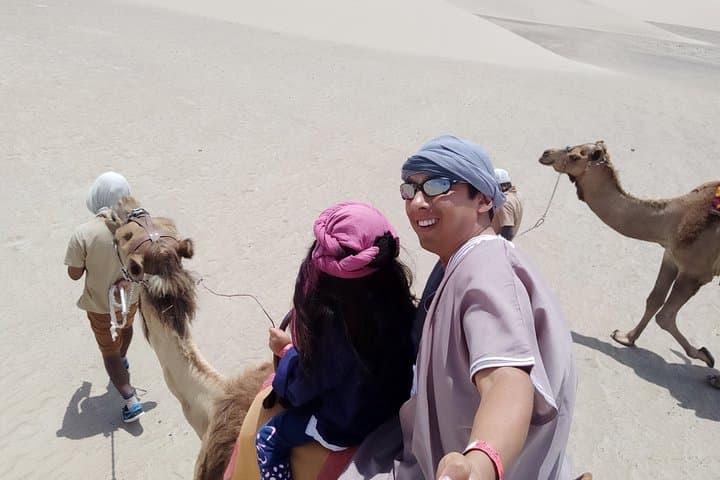
Sand lifts in slow ribbons as the dromedaries step from the shade of a low dune. You mount from a wooden platform, the saddle settling as the camel rocks forward and the Ica desert opens: rippled slopes, a silver-green patch of palms marking the Huacachina oasis, and the low Andes on the horizon. Guides in stylized Bedouin garb walk beside you, feeding the animals and pointing to dune profiles where wind has carved ephemeral ridges.
Sand lifts in slow ribbons as the dromedaries step from the shade of a low dune. You mount from a wooden platform, the saddle settling as the camel rocks forward and the Ica desert opens: rippled slopes, a silver-green patch of palms marking the Huacachina oasis, and the low Andes on the horizon. Guides in stylized Bedouin garb walk beside you, feeding the animals and pointing to dune profiles where wind has carved ephemeral ridges.
The coast of southern Peru has been dry for millennia; its dunes are products of Pacific currents and scant rainfall, piled high behind a narrow coastal plain. Camels are a recent, theatrical addition—imported for tourism rather than heritage—but the oasis itself sits in a landscape shaped by pre-Columbian cultures and later Spanish-era haciendas where grapevines for pisco took root.
Expect a compact, four-hour excursion: hotel pickup, a short orientation with protective clothing, a 6–8 minute dromedary ride, feeding time, and a souvenir photo. Sand here is fine and loose—some dunes climb dozens to a few hundred meters above the oasis—so wear closed shoes, protect skin and eyes from reflected sun, and bring at least one liter of water. The ride is gentle but not recommended for young children under seven, people with spinal or cardiac conditions, pregnant travelers, or those over 55 per operator rules.
Plan for late afternoon light to avoid the midday heat and pair the visit with a sandboarding or short buggy run to make the most of the desert’s dramatic slopes.