THE ADVENTURE COLLECTIVE® · Independent discovery and booking for outdoor travel

Ride camels into a low Bedouin camp on Sharm El Sheikh’s desert edge, share a traditional dinner of kofta and bread, and watch dunes drink the sunset. This 2–3 hour evening safari pairs cultural hospitality with easy desert hiking and stargazing.
Ride camels into a low Bedouin camp on Sharm El Sheikh’s desert edge, share a traditional dinner of kofta and bread, and watch dunes drink the sunset. This 2–3 hour evening safari pairs cultural hospitality with easy desert hiking and stargazing.
The camel convoy eases along wind-sculpted ridges as the late light flattens the Sinai’s contours. You dismount where a low Bedouin camp has already lit small lamps; a low fire cracks, tea steams, and the air smells of toasted flatbread and spices. The desert here feels like a patient companion — wind nudging sand, a distant dune calling you to climb for the last light.
Verified experiences and guided adventures in the surrounding area.
Operated by Oman Day Tours · Sharm El Sheikh, South Sinai
The camel convoy eases along wind-sculpted ridges as the late light flattens the Sinai’s contours. You dismount where a low Bedouin camp has already lit small lamps; a low fire cracks, tea steams, and the air smells of toasted flatbread and spices. The desert here feels like a patient companion — wind nudging sand, a distant dune calling you to climb for the last light.
This short safari links natural history and living culture. Geologically, the Sinai is ancient uplifted rock and sand; the dunes and wadis collect stories of changing climates. The Bedouin people of the peninsula have long practiced seasonal pastoralism and welcome guests with ritual hospitality: shared bread, kofta, and strong tea. Expect to hear oral histories as you eat and to see practical desertcraft — camel handling, tea-making, and simple, durable tents.
Practically, the experience is a 2–3 hour evening excursion combining a brief camel ride with a seated dinner. Terrain is soft sand and compacted tracks; walking is optional but easier in closed-toe shoes. Temperatures drop quickly after sunset, so bring a warm layer. Hydrate before you arrive and use sunscreen during the approach. Photography is rewarding at golden hour and later for stars — the camp’s low light makes for clear skies.
Interactions are informal but respect matters: ask before photographing people and accept invitations to try tea and bread. The trip is a compact, achievable taste of Sinai desert life — sensory, social, and straightforward enough for travelers of moderate fitness.
moderate.
2–3 hours.
Moderate fitness; must be able to mount/dismount a camel and walk short distances on sand.
Camel rides on this tour are short—typically 10–30 minutes each way—designed for views rather than long treks.
Yes; air-conditioned transfers to and from hotels in Sharm El Sheikh are included in the tour price.
Traditional menus include meat like kofta, but operators often accommodate dietary requests if notified in advance—mention restrictions when booking.
Children with parental supervision can usually participate, but the tour notes advise against participation for pregnant travelers and those with significant spinal or heart problems.
Bedouin tribes of the Sinai have practiced nomadic pastoralism and hospitality for centuries; evening meals and tea ceremonies remain central cultural practices.
The Sinai desert is ecologically fragile—stick to established tracks, avoid collecting artifacts, and minimize single-use plastics during visits.
Oman Day Tours operates guided outdoor trips and adventures with an emphasis on safety, stewardship, and memorable experiences.
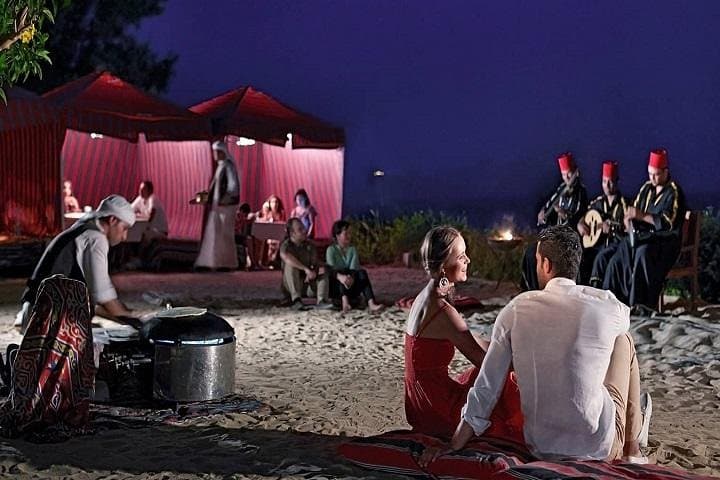
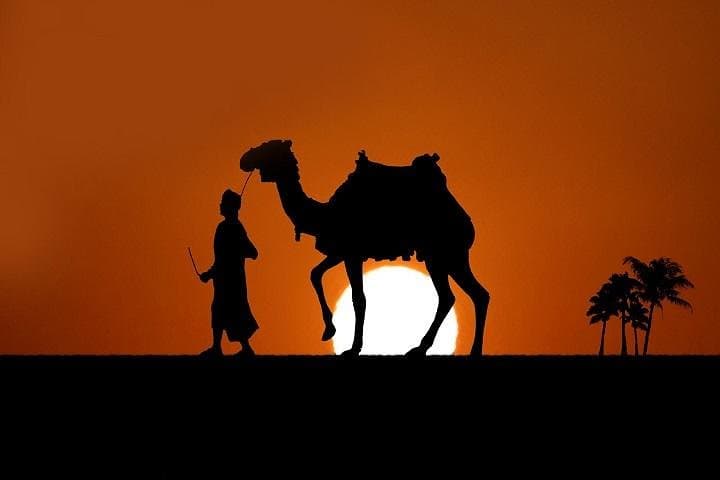
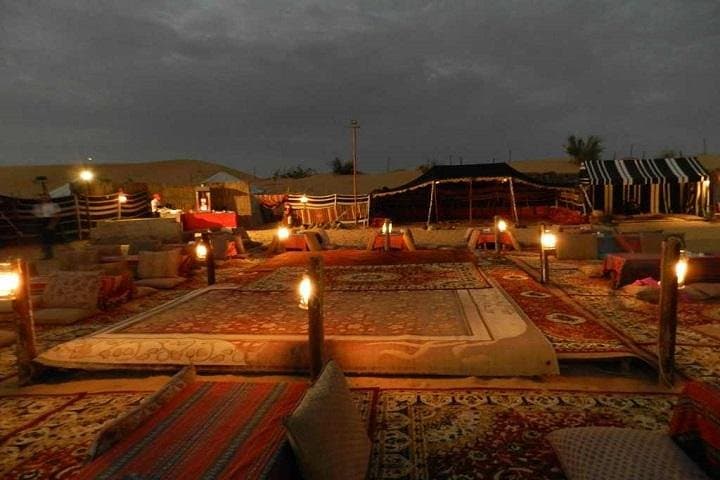
The camel convoy eases along wind-sculpted ridges as the late light flattens the Sinai’s contours. You dismount where a low Bedouin camp has already lit small lamps; a low fire cracks, tea steams, and the air smells of toasted flatbread and spices. The desert here feels like a patient companion — wind nudging sand, a distant dune calling you to climb for the last light.
The camel convoy eases along wind-sculpted ridges as the late light flattens the Sinai’s contours. You dismount where a low Bedouin camp has already lit small lamps; a low fire cracks, tea steams, and the air smells of toasted flatbread and spices. The desert here feels like a patient companion — wind nudging sand, a distant dune calling you to climb for the last light.
This short safari links natural history and living culture. Geologically, the Sinai is ancient uplifted rock and sand; the dunes and wadis collect stories of changing climates. The Bedouin people of the peninsula have long practiced seasonal pastoralism and welcome guests with ritual hospitality: shared bread, kofta, and strong tea. Expect to hear oral histories as you eat and to see practical desertcraft — camel handling, tea-making, and simple, durable tents.
Practically, the experience is a 2–3 hour evening excursion combining a brief camel ride with a seated dinner. Terrain is soft sand and compacted tracks; walking is optional but easier in closed-toe shoes. Temperatures drop quickly after sunset, so bring a warm layer. Hydrate before you arrive and use sunscreen during the approach. Photography is rewarding at golden hour and later for stars — the camp’s low light makes for clear skies.
Interactions are informal but respect matters: ask before photographing people and accept invitations to try tea and bread. The trip is a compact, achievable taste of Sinai desert life — sensory, social, and straightforward enough for travelers of moderate fitness.