THE ADVENTURE COLLECTIVE® · Independent discovery and booking for outdoor travel

Step into samurai armor or a kimono at Morioka Castle in Ebino. This three-hour, bilingual experience pairs authentic garments, guided katana technique, and staged photography across historic stone walls and gardens.
Step into samurai armor or a kimono at Morioka Castle in Ebino. This three-hour, bilingual experience pairs authentic garments, guided katana technique, and staged photography across historic stone walls and gardens.
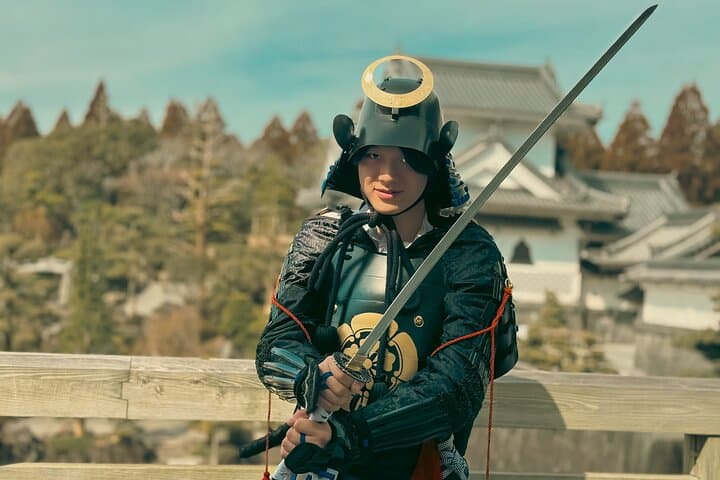
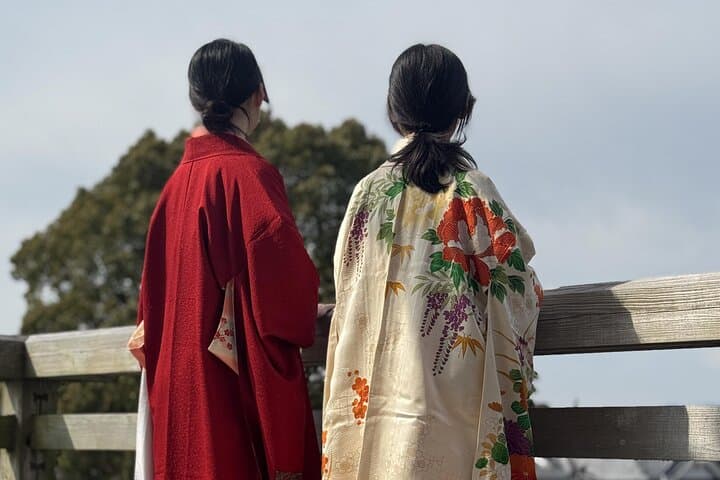
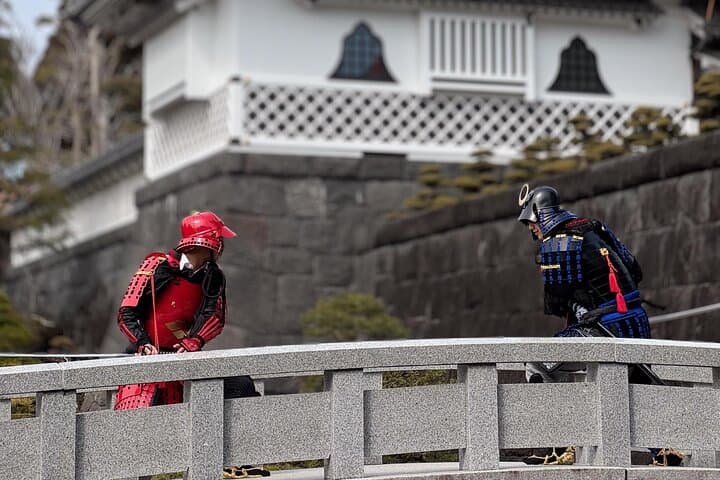
Steam rises from a teacup as you tighten the cords of a kimono; a cold wind catches the edge of a kabuto helmet and the castle's stone wall seems to dare you forward. At Morioka Castle in Ebino City, Miyazaki Prefecture, the experience stages you inside sturdy masonry and manicured grounds where samurai once walked.
Verified experiences and guided adventures in the surrounding area.
Operated by ファーストジャパン · Ebino, Miyazaki Prefecture
Steam rises from a teacup as you tighten the cords of a kimono; a cold wind catches the edge of a kabuto helmet and the castle's stone wall seems to dare you forward. At Morioka Castle in Ebino City, Miyazaki Prefecture, the experience stages you inside sturdy masonry and manicured grounds where samurai once walked.
The castle grounds—reported at about 50,000 square meters and privately maintained—showcase Edo-period influences in stonework and garden layout. The region's volcanic soils and nearby highlands shaped those walls and terraces; local culture still honors the shogun-era rituals that inform kimono etiquette and sword handling. Practitioners on this tour provide basic instruction in katana grip and a ceremonial slice, while guides explain samurai ranks, armor components, and the living craft of kimono dressing.
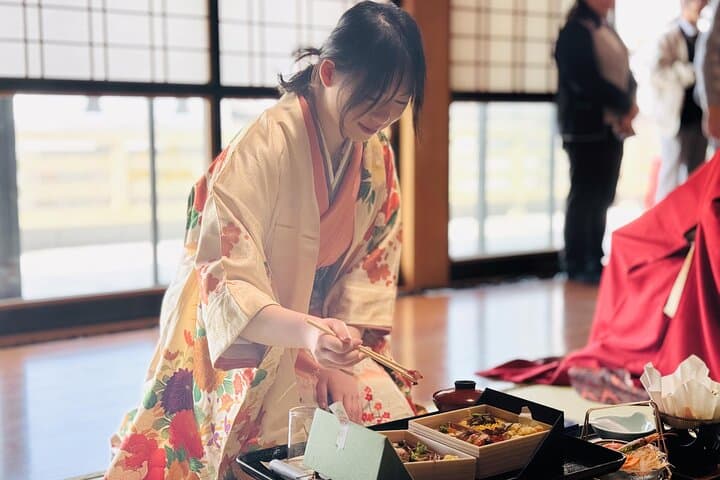
Expect hands-on dressing in authentic garments, a short lesson on safe sword technique with an emphasis on form and etiquette, and staged photo opportunities across photogenic courtyards. Sessions often include a traditional tea ceremony in a tatami room and bilingual support in English and Chinese.
Practical tips: book in advance for private bookings, arrive modestly dressed (layers are easy to remove), leave loose jewelry at your lodging, and follow guidance from staff when handling a blade—these are controlled demonstrations, not combat training. Photography is allowed in most areas but follow any posted restrictions.
This is an accessible cultural immersion that blends tactile history with clear safety practices—ideal for travelers who want cinematic photos, a primer on samurai technique, and a closer look at Japanese ceremonial life.
easy.
3 hours.
Light mobility required—participants should be able to stand, walk short distances on stone paths, and change clothes with minimal assistance.
Instructors typically use real, blunted or practice blades for demonstrations; sharp blades are not handled by guests—safety protocols are enforced.
Yes—options usually include kimono or armor experiences; specify your preference when booking as outfits and instruction differ.
Most experiences include time for photos and many providers offer professional photography as an add-on—confirm availability when booking.
The activity is promoted as suitable for all fitness levels, but children and guests with mobility limitations should check accessibility and assistance options in advance.
Morioka Castle's gardens and stonework reflect feudal-era architectural principles and ceremonial spaces where samurai and retainers observed ritualed life; the tour emphasizes those historical links to dress and weaponry.
This privately maintained site limits touching of artifacts and asks guests to stay on paths; follow waste-free practices and avoid flash photography in protected rooms.
ファーストジャパン operates guided outdoor trips and adventures with an emphasis on safety, stewardship, and memorable experiences.
Steam rises from a teacup as you tighten the cords of a kimono; a cold wind catches the edge of a kabuto helmet and the castle's stone wall seems to dare you forward. At Morioka Castle in Ebino City, Miyazaki Prefecture, the experience stages you inside sturdy masonry and manicured grounds where samurai once walked.
Steam rises from a teacup as you tighten the cords of a kimono; a cold wind catches the edge of a kabuto helmet and the castle's stone wall seems to dare you forward. At Morioka Castle in Ebino City, Miyazaki Prefecture, the experience stages you inside sturdy masonry and manicured grounds where samurai once walked.
The castle grounds—reported at about 50,000 square meters and privately maintained—showcase Edo-period influences in stonework and garden layout. The region's volcanic soils and nearby highlands shaped those walls and terraces; local culture still honors the shogun-era rituals that inform kimono etiquette and sword handling. Practitioners on this tour provide basic instruction in katana grip and a ceremonial slice, while guides explain samurai ranks, armor components, and the living craft of kimono dressing.
Expect hands-on dressing in authentic garments, a short lesson on safe sword technique with an emphasis on form and etiquette, and staged photo opportunities across photogenic courtyards. Sessions often include a traditional tea ceremony in a tatami room and bilingual support in English and Chinese.
Practical tips: book in advance for private bookings, arrive modestly dressed (layers are easy to remove), leave loose jewelry at your lodging, and follow guidance from staff when handling a blade—these are controlled demonstrations, not combat training. Photography is allowed in most areas but follow any posted restrictions.
This is an accessible cultural immersion that blends tactile history with clear safety practices—ideal for travelers who want cinematic photos, a primer on samurai technique, and a closer look at Japanese ceremonial life.