THE ADVENTURE COLLECTIVE® · Independent discovery and booking for outdoor travel

Learn Neapolitan pizza technique live from an expert Italian mamma in this two-hour private virtual class. Get step‑by‑step coaching on dough, sauce and baking suited to a home oven plus a workbook and pizzaiolo certificate.
Learn Neapolitan pizza technique live from an expert Italian mamma in this two-hour private virtual class. Get step‑by‑step coaching on dough, sauce and baking suited to a home oven plus a workbook and pizzaiolo certificate.
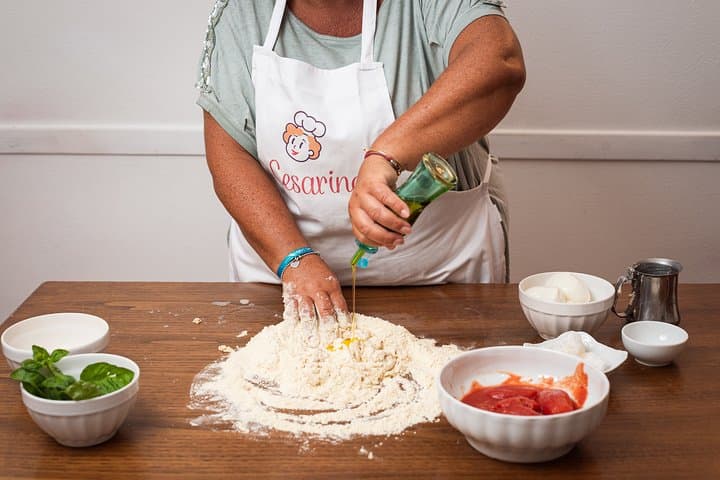
You open your laptop and, in an instant, the light of a Naples kitchen fills your screen: a woman moves with practiced economy, hands dusted in flour, a wooden peel leaning nearby. The virtual class places you at a counter on the Gulf of Naples—the city’s narrow streets and the low, watchful cone of Vesuvius are the unseen context for every technique your host shares.
Verified experiences and guided adventures in the surrounding area.
Operated by Cesarine: Cooking Class · Naples, Campania
You open your laptop and, in an instant, the light of a Naples kitchen fills your screen: a woman moves with practiced economy, hands dusted in flour, a wooden peel leaning nearby. The virtual class places you at a counter on the Gulf of Naples—the city’s narrow streets and the low, watchful cone of Vesuvius are the unseen context for every technique your host shares.
Pizza’s history is inseparable from Naples. In the 18th and 19th centuries, flatbreads for the working poor evolved into the Margherita—the tomato, mozzarella, and basil combination celebrating Italian unification. Geology plays a quiet role: volcanic ash from Vesuvius helped shape local wheat and influenced the long fermentation traditions that make Neapolitan dough light and pliable.
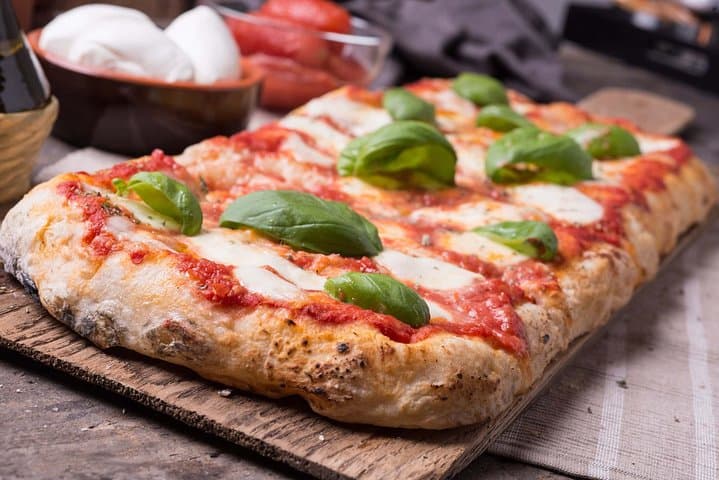
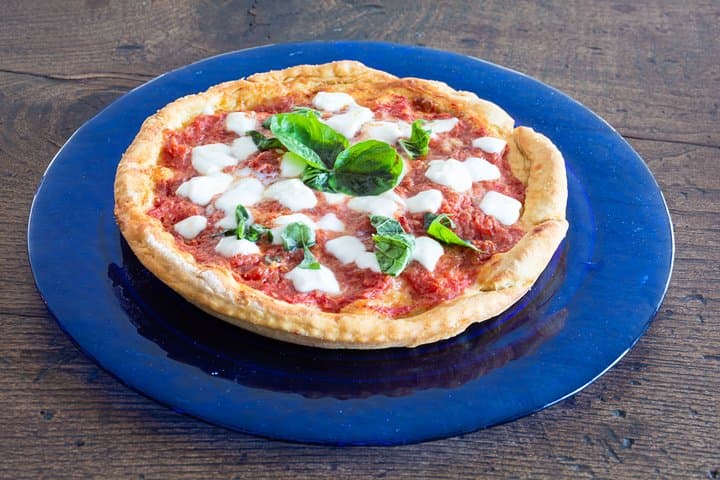
Culturally the lesson is direct: ingredient quality and timing matter. Expect demonstrations on dough hydration, hand-stretching, low-hydration vs. high-hydration dough, sauce balance and the way a home oven changes bake technique. The class covers two pizzas—a classic Margherita and a filled variation—while the instructor answers live questions and adapts to allergies.
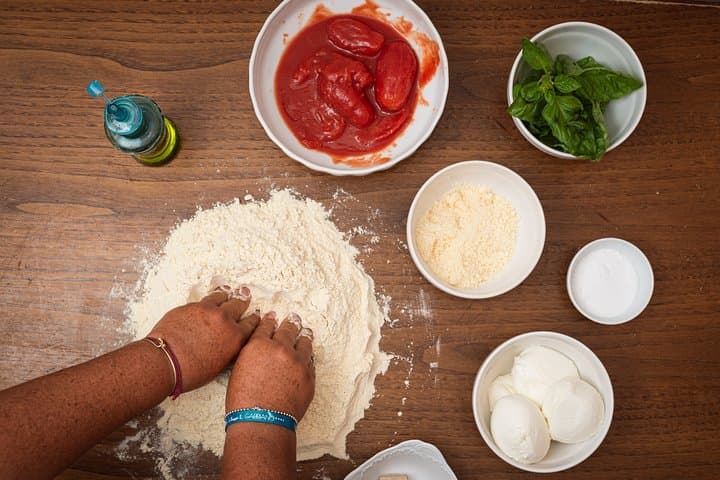
Practical guidance: prepare ingredients and equipment in advance (stone or steel, peel, high-heat oven plan). Allow two hours for the full session; keep a thermometer, timer and a bowl for flour-dusted hands at the ready. Hydrate—working with sticky dough takes patience—and schedule the class in Italy’s GMT+1/2 timing. After the session you’ll have a workbook, a shopping list and a pizzaiolo certificate to validate your new skills.
This virtual format is ideal for home cooks seeking authentic technique without travel—expect attentive, hands-on coaching and realistic results if you follow oven constraints and ingredient substitutions offered by your host.
easy.
120 minutes.
No physical fitness required beyond standing and light kitchen work; good dexterity and patience help.
No—this class is designed for home cooks; the instructor covers basic to intermediate techniques and tailors guidance to your skill level.
A hot surface (stone or steel), a peel, basic mixing tools and an oven that can reach its highest temperature; a thermometer is highly recommended.
Yes—inform the host before the session and they will suggest substitutions and adjusted techniques for gluten-free or dairy-free needs.
The class is live via Skype or similar platform; sessions are scheduled in Italian time (GMT+1/GMT+2), so confirm start time for your time zone and test your internet and camera beforehand.
Pizza as we know it took shape in Naples in the 18th–19th centuries; the Margherita was popularized in 1889 and linked to local ingredients and civic pride.
Sourcing high-quality, seasonal ingredients reduces waste; many instructors emphasize minimizing single-use plastics and using local produce when possible.
Cesarine: Cooking Class operates guided outdoor trips and adventures with an emphasis on safety, stewardship, and memorable experiences.
You open your laptop and, in an instant, the light of a Naples kitchen fills your screen: a woman moves with practiced economy, hands dusted in flour, a wooden peel leaning nearby. The virtual class places you at a counter on the Gulf of Naples—the city’s narrow streets and the low, watchful cone of Vesuvius are the unseen context for every technique your host shares.
You open your laptop and, in an instant, the light of a Naples kitchen fills your screen: a woman moves with practiced economy, hands dusted in flour, a wooden peel leaning nearby. The virtual class places you at a counter on the Gulf of Naples—the city’s narrow streets and the low, watchful cone of Vesuvius are the unseen context for every technique your host shares.
Pizza’s history is inseparable from Naples. In the 18th and 19th centuries, flatbreads for the working poor evolved into the Margherita—the tomato, mozzarella, and basil combination celebrating Italian unification. Geology plays a quiet role: volcanic ash from Vesuvius helped shape local wheat and influenced the long fermentation traditions that make Neapolitan dough light and pliable.
Culturally the lesson is direct: ingredient quality and timing matter. Expect demonstrations on dough hydration, hand-stretching, low-hydration vs. high-hydration dough, sauce balance and the way a home oven changes bake technique. The class covers two pizzas—a classic Margherita and a filled variation—while the instructor answers live questions and adapts to allergies.
Practical guidance: prepare ingredients and equipment in advance (stone or steel, peel, high-heat oven plan). Allow two hours for the full session; keep a thermometer, timer and a bowl for flour-dusted hands at the ready. Hydrate—working with sticky dough takes patience—and schedule the class in Italy’s GMT+1/2 timing. After the session you’ll have a workbook, a shopping list and a pizzaiolo certificate to validate your new skills.
This virtual format is ideal for home cooks seeking authentic technique without travel—expect attentive, hands-on coaching and realistic results if you follow oven constraints and ingredient substitutions offered by your host.