THE ADVENTURE COLLECTIVE® · Independent discovery and booking for outdoor travel

Step into a Shanghai studio to craft a traditional bow, wear the Feiyufu royal robe and test your aim at 10 meters to earn an Imperial Token. This two-hour hands-on archery experience blends Ming-era guard techniques with practical, beginner-friendly instruction.
Step into a Shanghai studio to craft a traditional bow, wear the Feiyufu royal robe and test your aim at 10 meters to earn an Imperial Token. This two-hour hands-on archery experience blends Ming-era guard techniques with practical, beginner-friendly instruction.
You step through the studio door and the city noise tightens behind you. Inside, the air smells faintly of wood dust and oiled leather; a row of robes waits like a promise. An instructor fits you into the Feiyufu — the bright, patterned robe of an Imperial guard — and hands you a length of snow-pine stave to begin shaping your bow.
Verified experiences and guided adventures in the surrounding area.
Operated by Muxintang Archery Experience · Shanghai, Shanghai
You step through the studio door and the city noise tightens behind you. Inside, the air smells faintly of wood dust and oiled leather; a row of robes waits like a promise. An instructor fits you into the Feiyufu — the bright, patterned robe of an Imperial guard — and hands you a length of snow-pine stave to begin shaping your bow.
The experience borrows directly from Ming-era practice. The Jinyiwei, the emperor’s secretive palace guard, combined marksmanship with craft; training here echoes that lineage through hands-on bow assembly, feather fletching and leatherwork. Shanghai provides the contrast: a modern metropolis beyond the windows, an old craft practiced in a compact studio.
Expect a structured two-hour session: assemble a traditional bow, fletch a pine-shaft arrow with natural feathers, stitch a custom leather arm and thumb guard, then step back to 10 meters for a marksmanship trial. Pass the shot and you receive a stamped Imperial Token; pose with the Xiuchundao (the guard’s sabre) for a photo to close the ritual.
Practicalities are straightforward — the activity is physically easy but requires basic coordination and arm movement. Public transit access is common nearby and staff provide all materials. Note health advisories for spinal or heart conditions and that bookings are generally limited one ticket per person.
Bring comfortable, non-restrictive clothing, an interest in craft, and a camera. The session balances living history with hands-on learning: you leave with something you made, a token to show for steady aim, and a sharper sense of how martial practice fit inside imperial China.
easy.
2 hours.
Suitable for most fitness levels; requires basic upper-body mobility and hand-eye coordination
No — instruction and all materials are provided; the session is designed for beginners and those with no prior experience.
Children can participate but age and physical restrictions may apply; infants/strollers are accommodated, and staff can advise on suitability when booking.
Full refunds are typically available if you cancel at least 24 hours before the scheduled time; check your booking confirmation for exact terms.
Sessions are commonly run in Mandarin; many operators provide basic English assistance but confirm language support when booking.
The Jinyiwei were the Ming dynasty’s imperial secret police and elite guards; this program references their marksmanship and craft responsibilities in a studio format.
Materials like natural feathers and leather are used traditionally; participants are encouraged to respect sourcing and dispose of waste responsibly to limit studio impact.
Muxintang Archery Experience operates guided outdoor trips and adventures with an emphasis on safety, stewardship, and memorable experiences.
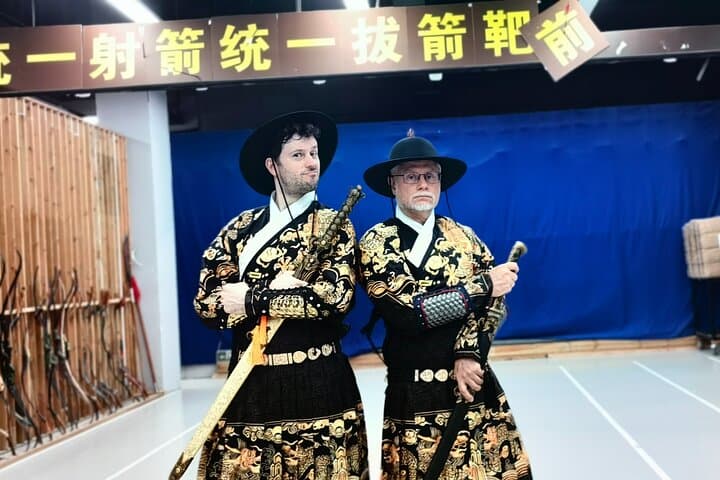
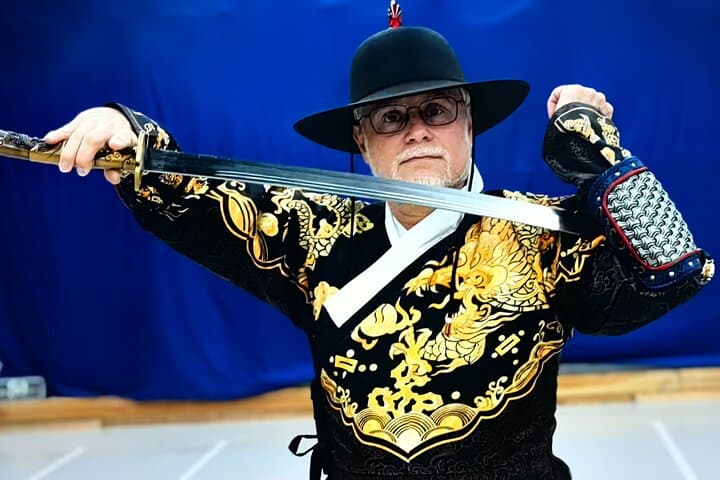
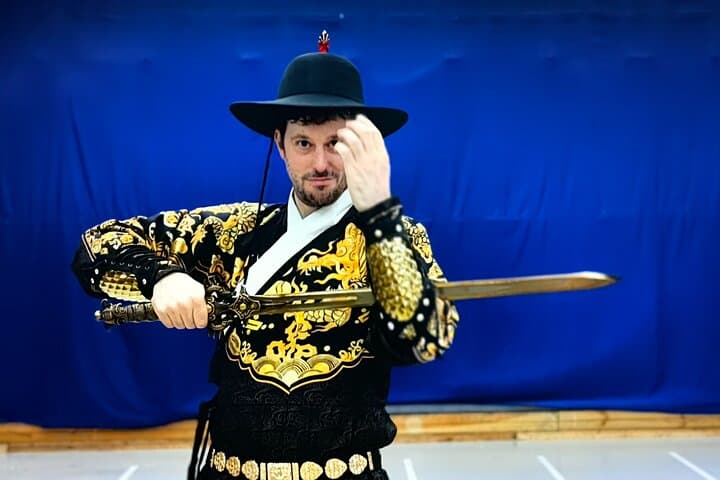
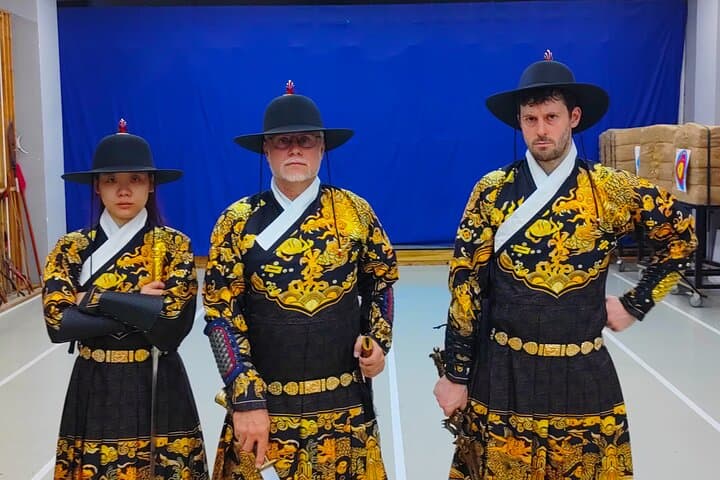
You step through the studio door and the city noise tightens behind you. Inside, the air smells faintly of wood dust and oiled leather; a row of robes waits like a promise. An instructor fits you into the Feiyufu — the bright, patterned robe of an Imperial guard — and hands you a length of snow-pine stave to begin shaping your bow.
You step through the studio door and the city noise tightens behind you. Inside, the air smells faintly of wood dust and oiled leather; a row of robes waits like a promise. An instructor fits you into the Feiyufu — the bright, patterned robe of an Imperial guard — and hands you a length of snow-pine stave to begin shaping your bow.
The experience borrows directly from Ming-era practice. The Jinyiwei, the emperor’s secretive palace guard, combined marksmanship with craft; training here echoes that lineage through hands-on bow assembly, feather fletching and leatherwork. Shanghai provides the contrast: a modern metropolis beyond the windows, an old craft practiced in a compact studio.
Expect a structured two-hour session: assemble a traditional bow, fletch a pine-shaft arrow with natural feathers, stitch a custom leather arm and thumb guard, then step back to 10 meters for a marksmanship trial. Pass the shot and you receive a stamped Imperial Token; pose with the Xiuchundao (the guard’s sabre) for a photo to close the ritual.
Practicalities are straightforward — the activity is physically easy but requires basic coordination and arm movement. Public transit access is common nearby and staff provide all materials. Note health advisories for spinal or heart conditions and that bookings are generally limited one ticket per person.
Bring comfortable, non-restrictive clothing, an interest in craft, and a camera. The session balances living history with hands-on learning: you leave with something you made, a token to show for steady aim, and a sharper sense of how martial practice fit inside imperial China.