THE ADVENTURE COLLECTIVE® · Independent discovery and booking for outdoor travel

Walk into the faded halls of Chaurasi Kutiya and stand where the Beatles studied meditation and wrote songs. This guided 2–3 hour walking tour combines artful ruins, riverside culture and a quiet foothill forest setting—best experienced in the morning light.
Walk into the faded halls of Chaurasi Kutiya and stand where the Beatles studied meditation and wrote songs. This guided 2–3 hour walking tour combines artful ruins, riverside culture and a quiet foothill forest setting—best experienced in the morning light.
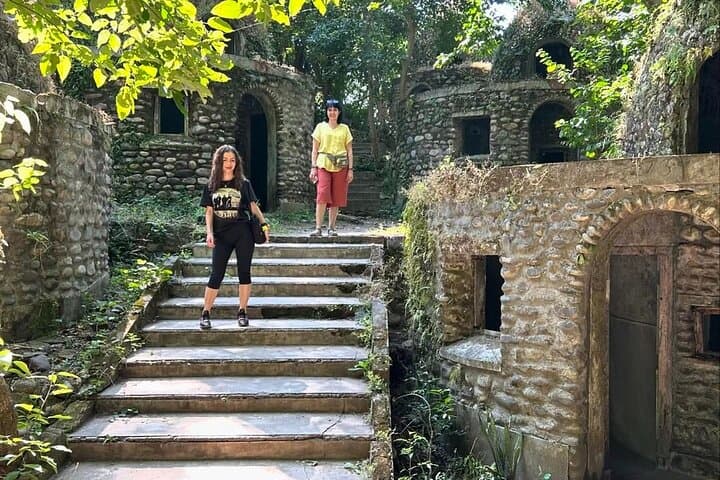
The path climbs through scrub pine and thorny, sun-bleached bushes before the concrete of Rishikesh gives way to an overgrown complex of mossed walls and graffiti-strewn meditation huts. Visitors arrive on foot, the Ganges murmuring away to the east and the Rajaji forest closing in like a patient presence; the air favors sharp light, birdsong and the echo of chanting from distant ghats.
Verified experiences and guided adventures in the surrounding area.
Operated by Rishikesh Day Tour · Rishikesh, Uttarakhand
The path climbs through scrub pine and thorny, sun-bleached bushes before the concrete of Rishikesh gives way to an overgrown complex of mossed walls and graffiti-strewn meditation huts. Visitors arrive on foot, the Ganges murmuring away to the east and the Rajaji forest closing in like a patient presence; the air favors sharp light, birdsong and the echo of chanting from distant ghats.
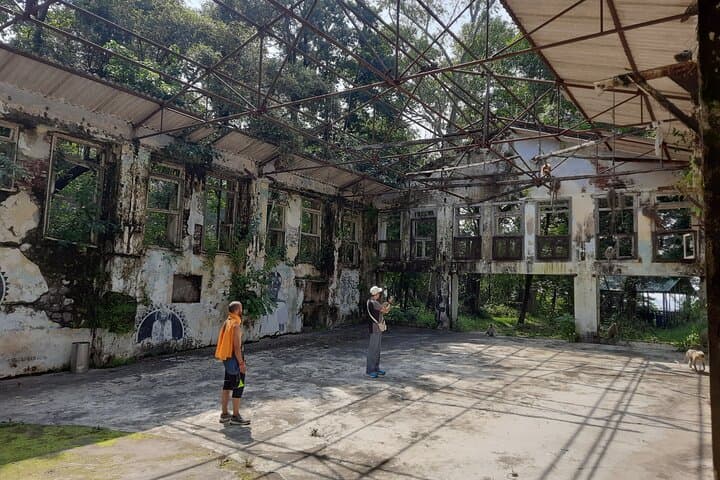
The site, once Chaurasi Kutiya, became world-famous in 1968 after the Beatles visited Maharishi Mahesh Yogi’s ashram and composed much of the White Album there. The ruins reveal slab foundations, meditation cells, and peeling murals—an intersection of counterculture history and Himalayan ashram tradition. Geologically, this stretch sits on the lower Himalayan foothills: steep river-cut valleys, alluvial terraces, and mixed deciduous forest that provide habitat to monkeys, birds and occasional deer.
Culturally, the area blends active spiritual practice (nearby ashrams still offer yoga and aarti) with informal artist impressions—graffiti layers over temple plaster, and small shrines tucked under banyans. Conservation is visible: the site lies in the buffer zone of Rajaji Tiger Reserve, so keep to paths and avoid feeding wildlife.
Practical guidance: plan a morning visit for softer light and cooler temperatures; allow 2–3 hours for walking, photography and quiet time in meditation cells. Wear modest clothing covering shoulders and knees, sturdy walking shoes for uneven terrain, carry water and sunscreen, and buy tickets or check opening rules in advance—entry and guided access vary seasonally.
easy.
2–3 hours.
Light walking on mostly flat but uneven terrain; suitable for most fitness levels.
Yes—entry is managed locally and guided tours often handle logistics; check with the operator for current admission rules and opening hours.
The route is short and generally accessible, but uneven ground and some steps mean supervision for children and care for anyone with mobility issues.
Quiet contemplation is usually allowed, but follow guide instructions and avoid disturbing ongoing religious activities or other visitors.
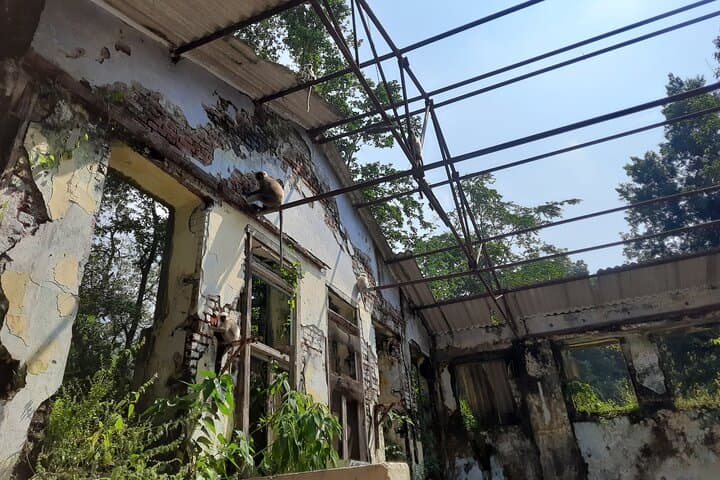
Expect urban-adapted animals like macaque monkeys and various birds; larger mammals of Rajaji are generally not seen within the ashram ruins.
Chaurasi Kutiya housed meditation cells and became internationally famous after the Beatles’ 1968 stay, linking Western pop culture with Indian meditation traditions.
The ashram sits in the buffer zone of Rajaji Tiger Reserve—visitors should stick to established paths, carry out waste, and avoid feeding wildlife to reduce human-wildlife conflict.
Rishikesh Day Tour operates guided outdoor trips and adventures with an emphasis on safety, stewardship, and memorable experiences.

The path climbs through scrub pine and thorny, sun-bleached bushes before the concrete of Rishikesh gives way to an overgrown complex of mossed walls and graffiti-strewn meditation huts. Visitors arrive on foot, the Ganges murmuring away to the east and the Rajaji forest closing in like a patient presence; the air favors sharp light, birdsong and the echo of chanting from distant ghats.
The path climbs through scrub pine and thorny, sun-bleached bushes before the concrete of Rishikesh gives way to an overgrown complex of mossed walls and graffiti-strewn meditation huts. Visitors arrive on foot, the Ganges murmuring away to the east and the Rajaji forest closing in like a patient presence; the air favors sharp light, birdsong and the echo of chanting from distant ghats.
The site, once Chaurasi Kutiya, became world-famous in 1968 after the Beatles visited Maharishi Mahesh Yogi’s ashram and composed much of the White Album there. The ruins reveal slab foundations, meditation cells, and peeling murals—an intersection of counterculture history and Himalayan ashram tradition. Geologically, this stretch sits on the lower Himalayan foothills: steep river-cut valleys, alluvial terraces, and mixed deciduous forest that provide habitat to monkeys, birds and occasional deer.
Culturally, the area blends active spiritual practice (nearby ashrams still offer yoga and aarti) with informal artist impressions—graffiti layers over temple plaster, and small shrines tucked under banyans. Conservation is visible: the site lies in the buffer zone of Rajaji Tiger Reserve, so keep to paths and avoid feeding wildlife.
Practical guidance: plan a morning visit for softer light and cooler temperatures; allow 2–3 hours for walking, photography and quiet time in meditation cells. Wear modest clothing covering shoulders and knees, sturdy walking shoes for uneven terrain, carry water and sunscreen, and buy tickets or check opening rules in advance—entry and guided access vary seasonally.